

Hong Kong Transportation Guide: Getting Around the City

Hong Kong offers a modern and efficient transportation system that makes travelling around the city simple and convenient for visitors. Options include the MTR (Mass Transit Railway), buses, trams, ferries, taxis, and the Airport Express, all of which connect major attractions, shopping areas, and neighbourhoods across the city. The system is designed to be reliable, safe, and easy to navigate — ideal for both locals and tourists. For those travelling to mainland China, the High-Speed Rail from West Kowloon Station connects Hong Kong to major Chinese cities like Shenzhen and Guangzhou in under an hour perfect for day trips or regional travel.
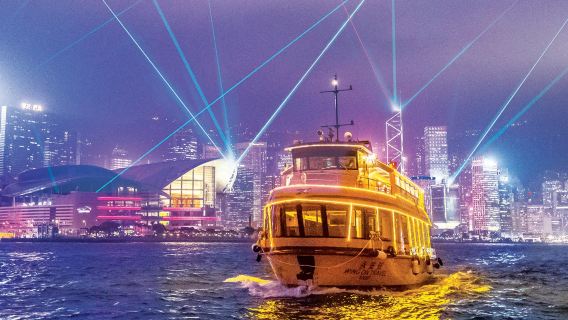
Public transportation in Hong Kong is generally affordable and efficient. The MTR is the fastest way to travel between key areas, while buses and trams offer scenic routes that allow travellers to experience the city from a local perspective. Ferries, such as the famous Star Ferry, provide beautiful views of Victoria Harbour, and taxis are widely available for added convenience.
Overall, Hong Kong’s transportation system is clean, punctual, and traveller-friendly, making it easy for Malaysians to explore the city’s landmarks, shopping streets, and cultural attractions with comfort and ease.
🚇 MTR (Mass Transit Railway)
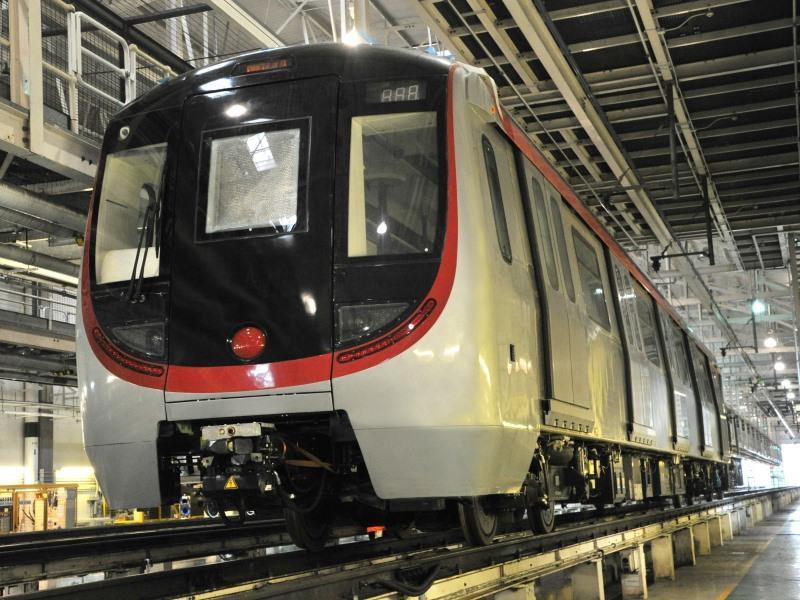
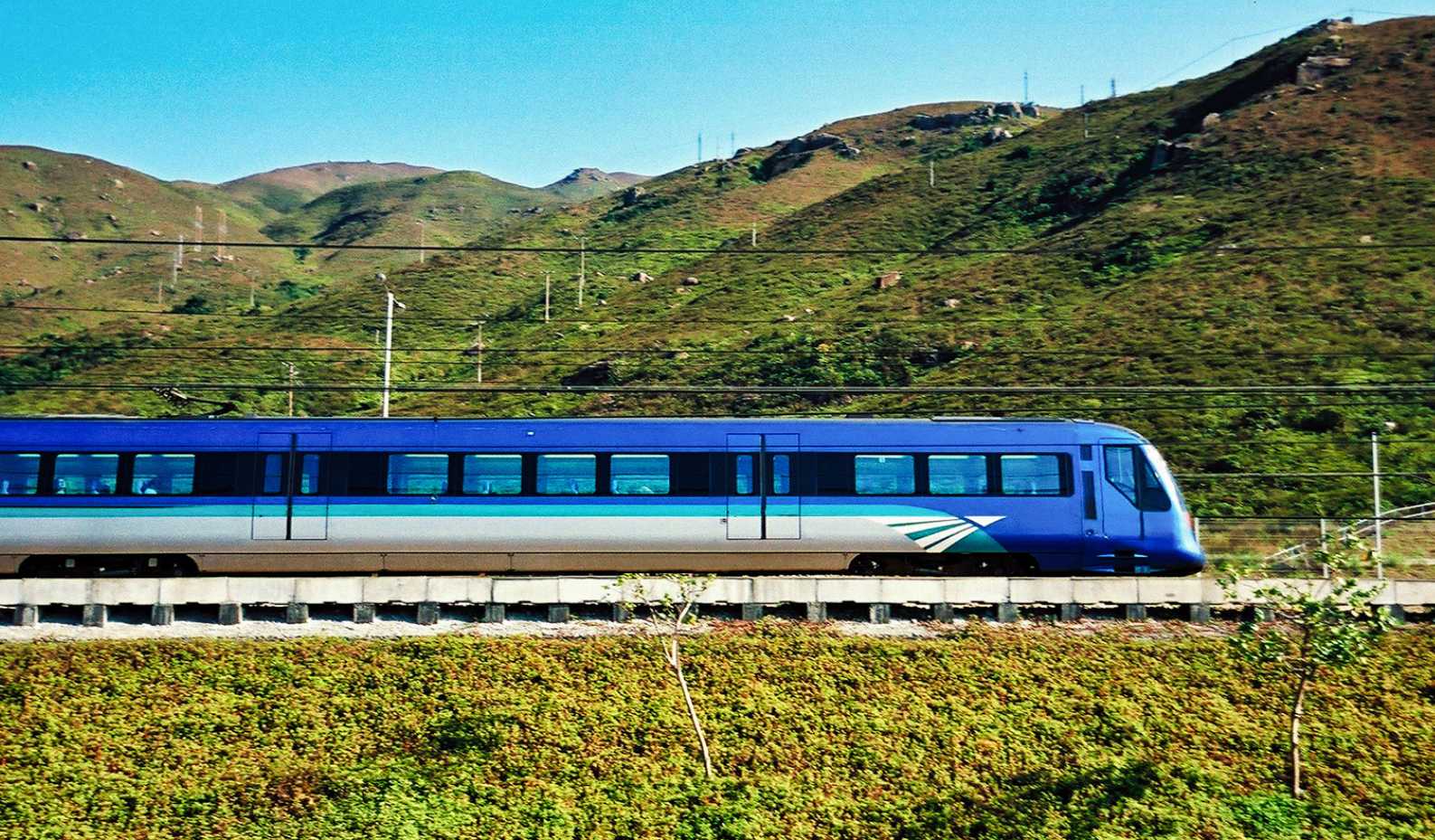
Source: Railway Gazette
The MTR (Mass Transit Railway) is the backbone of Hong Kong’s public transportation system and one of the fastest, cleanest, and most efficient ways to get around. It connects major districts, tourist attractions, shopping areas, and even the airport and border crossings. For Malaysian travellers, the MTR offers a convenient and budget-friendly way to explore Hong Kong with ease.
Trains are frequent, air-conditioned, and supported by clear bilingual (English and Chinese) signs, making it easy for first-time visitors to navigate. Most stations are also linked to malls or attractions through underground walkways, providing a comfortable travel experience even in rainy weather.
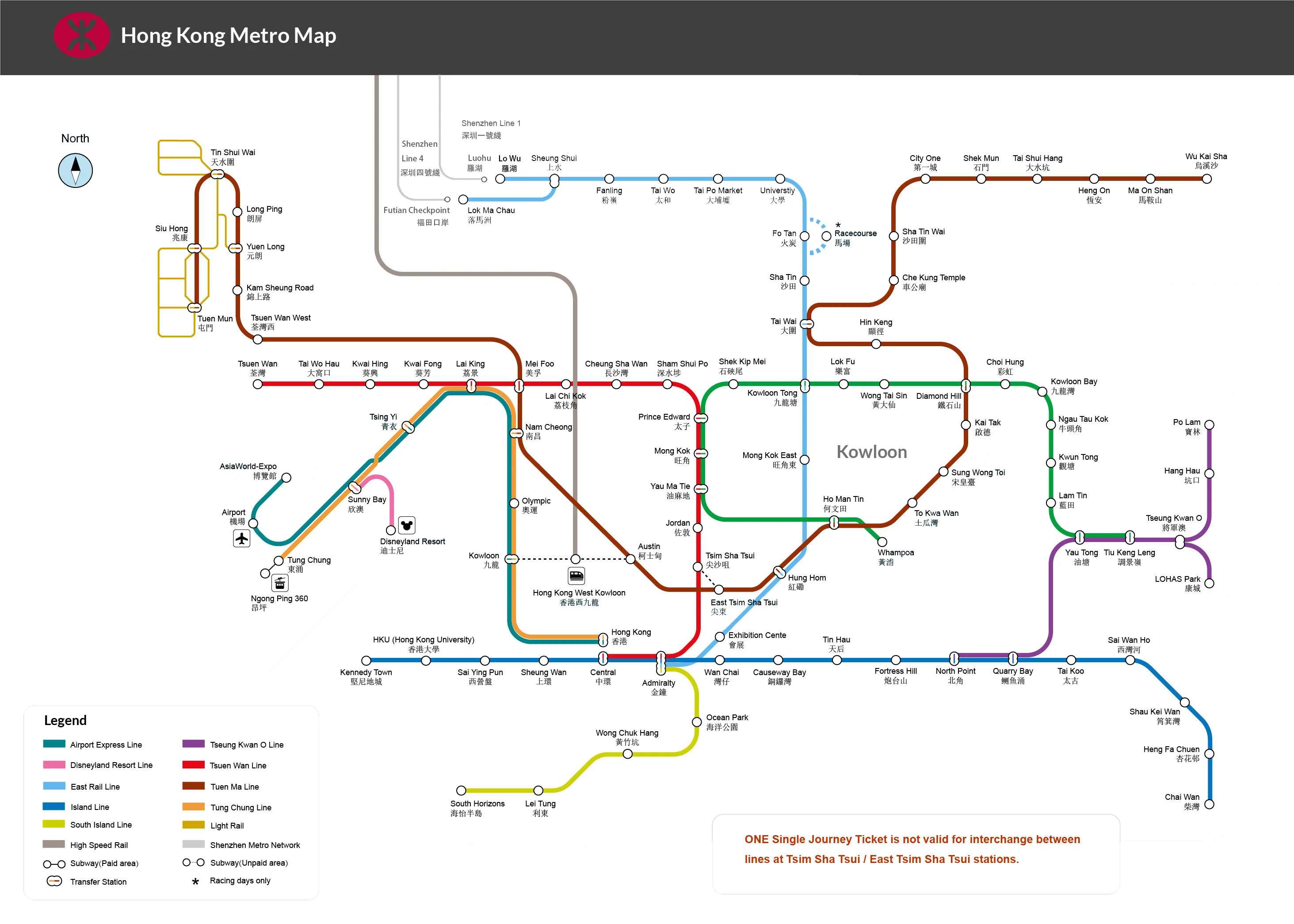
🗺️ Key MTR Lines & Popular Stops for Travellers
Source: Travel China Guide
| Line | Coverage Area | Popular Stops / Attractions Along the Route |
|---|---|---|
Tsuen Wan Line (Red) | Central ↔ Tsuen Wan | Tsim Sha Tsui (shopping), Mong Kok (Ladies Market), Central (business district) |
Island Line (Blue) | Kennedy Town ↔ Chai Wan | Causeway Bay (shopping), Wan Chai, North Point |
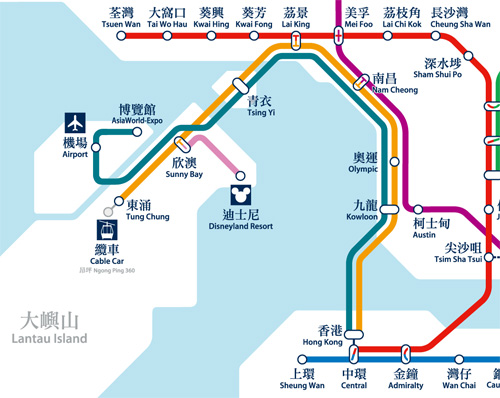
Tung Chung Line (Orange) | Hong Kong ↔ Tung Chung | Hong Kong Station (Airport Express link), Tung Chung (Ngong Ping 360 Cable Car, Citygate Outlets) |
Disneyland Resort Line (Pink) | Sunny Bay ↔ Disneyland Resort | Hong Kong Disneyland |
East Rail Line (Light Blue) | Hung Hom ↔ Lo Wu / Lok Ma Chau | Kowloon Tong (Festival Walk), border crossings to Shenzhen |
Airport Express (Green) | Airport ↔ Central | Hong Kong Station, Kowloon Station (hotel shuttle buses available) |
🚉 How to Use the MTR
Buying or Using a Ticket
- The easiest way for Malaysian travellers is to use an Octopus Card — simply tap in and out at the gates.
- Alternatively, single-journey tickets can be purchased at ticket machines in each station.
Entering the Station
- Tap your Octopus Card or insert your ticket at the entry gate.
- Follow the signs to your train line and direction (clear maps are displayed in every station).
During the Ride
- Listen for bilingual announcements (English and Cantonese).
- Electronic boards show the next stop and transfer lines.
- Eating or drinking is not allowed inside trains or stations.
Exiting the Station
- Tap your Octopus Card again at the exit gate — the fare is automatically deducted based on distance.
Interchanging Between Lines
- Many major stations (e.g., Admiralty, Central, Kowloon Tong) connect multiple lines.
- Follow the “Transfer” signs — transfers are smooth and well-marked.
Flights from Kuala Lumpur to Hong Kong
- Sehala
- Pergi Balik
- direct cheapest
 SZB13:004jTanpa hentiHKG17:00Kuala Lumpur - Hong Kong|Kha, 29 Okt|HK ExpressPKR 25,621PKR 35,95928% offCari28% offPKR 35,959PKR 25,621
 - SZB13:004jTanpa hentiHKG17:00Kuala Lumpur - Hong Kong|Isn, 26 Okt|HK ExpressPKR 25,787PKR 35,95928% offCari28% offPKR 35,959PKR 25,787
- SZB13:004jTanpa hentiHKG17:00Kuala Lumpur - Hong Kong|Kha, 22 Okt|HK ExpressPKR 26,944PKR 35,95925% offCari25% offPKR 35,959PKR 26,944
- SZB13:004jTanpa hentiHKG17:00Kuala Lumpur - Hong Kong|Sel, 27 Okt|HK ExpressPKR 27,688CariPKR 27,688
 KUL13:004jTanpa hentiHKG14:00Kuala Lumpur - Hong Kong|Mon, Sep 6|Normal AirlineCari Penerbangan LainCari Penerbangan Lain
🚌 Buses & Minibuses
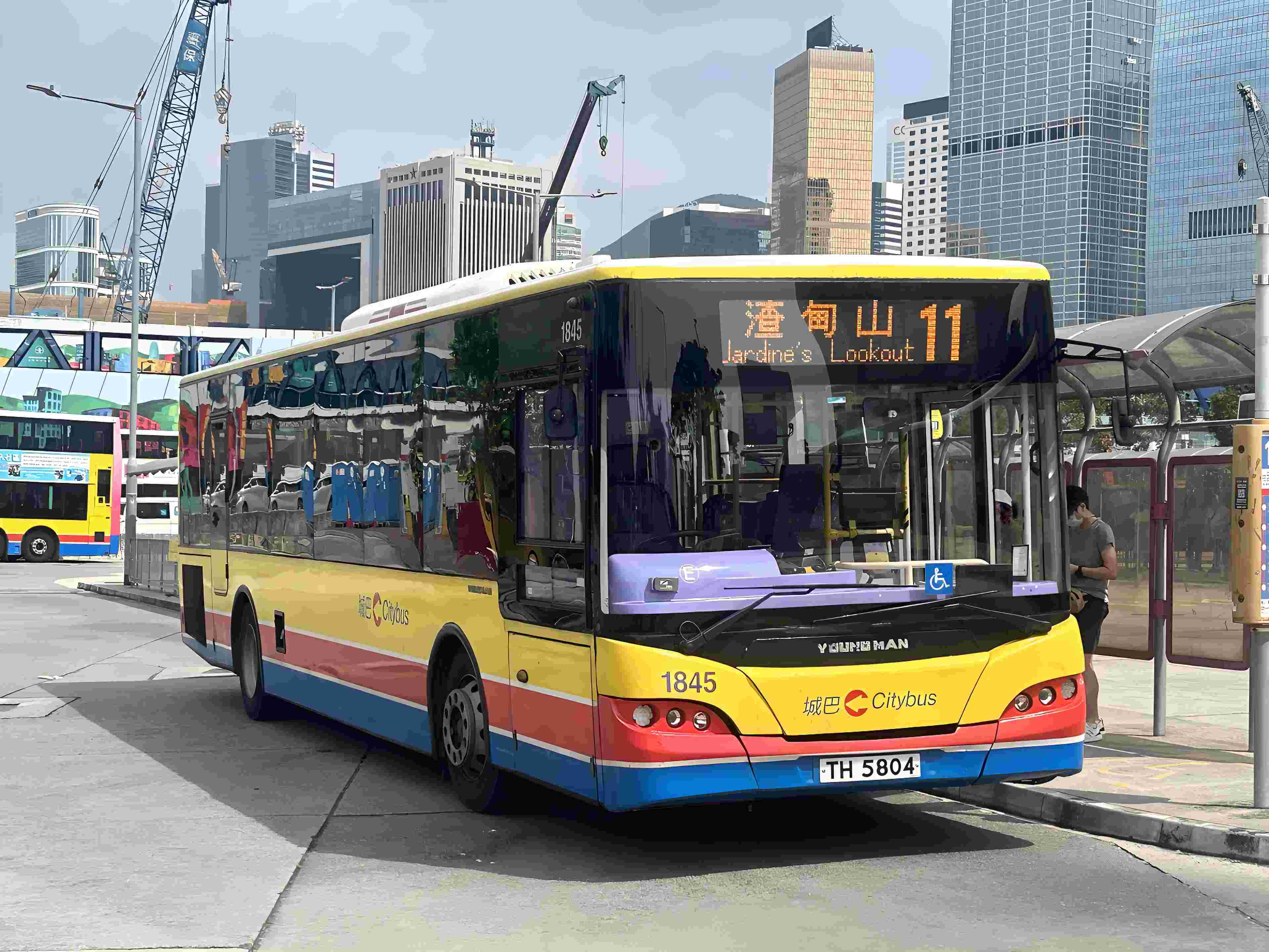
For Malaysian travellers, buses and minibuses are convenient, affordable, and scenic ways to explore Hong Kong — especially in areas not directly connected by the MTR. The city’s extensive network links all major districts, tourist attractions, and local neighbourhoods, making it easy to travel like a local.
🚍 Buses
Hong Kong’s double-decker and single-decker buses are modern, clean, and fully air-conditioned. They’re ideal for sightseeing, particularly along Victoria Harbour, Tsim Sha Tsui, and The Peak, where the upper deck provides fantastic views. Fares are reasonable, usually between HKD 5–15 (RM3–9) depending on distance. You can pay with your Octopus Card or exact cash.
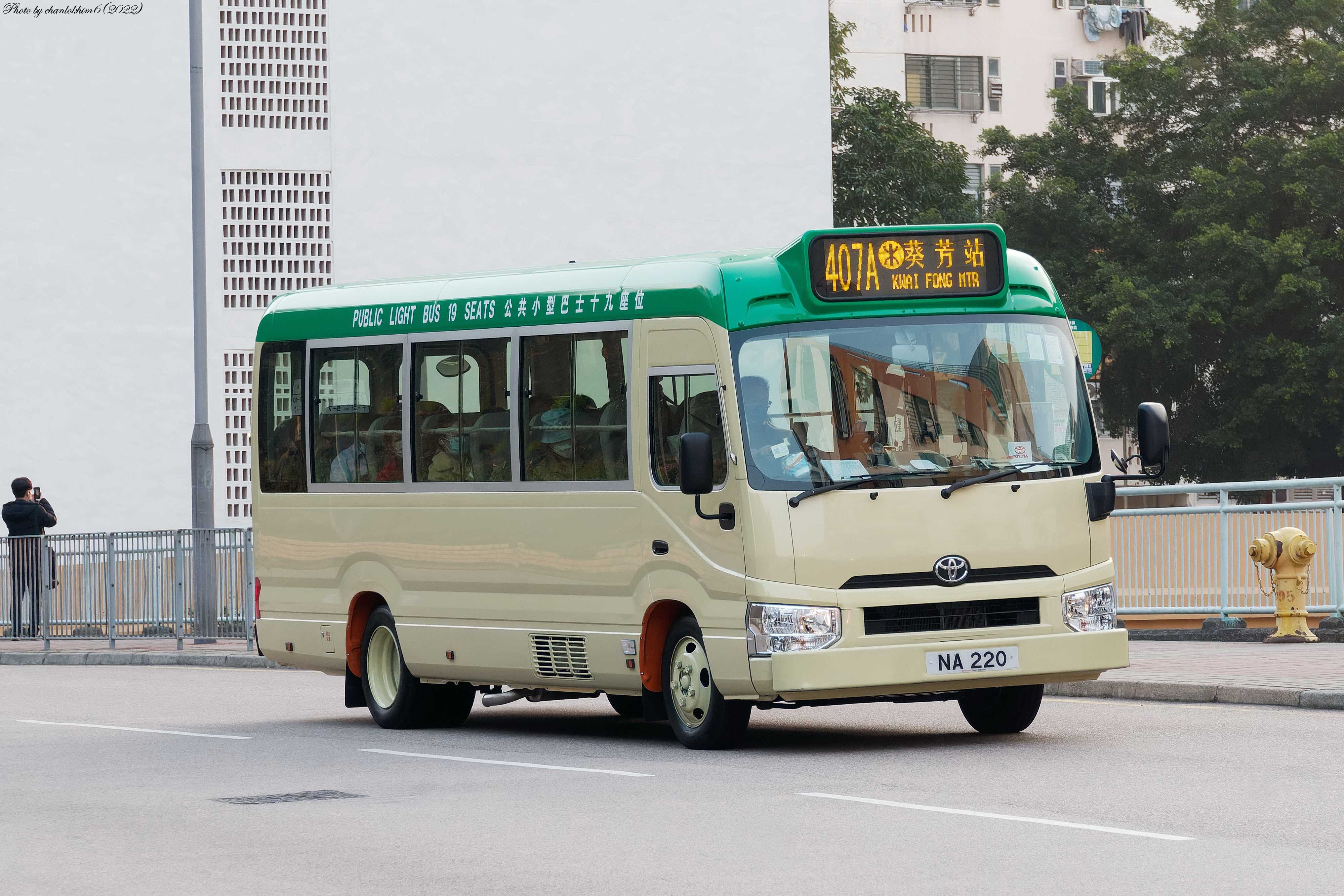
🚐 Minibuses
Source: Wikipedia
Minibuses are smaller, faster, and perfect for reaching destinations where regular buses or MTR lines don’t go. There are two main types:
- Green Minibuses: Fixed routes and fares; payment by Octopus Card or cash.
- Red Minibuses: Flexible routes and fares; may stop on request, often used by locals.
Green minibuses are generally easier for travellers to use, as routes and stops are displayed clearly.
🗺️ Popular Bus Routes & Sightseeing Spots for Travellers
| Route Number | From – To | Attractions Along the Route | Type |
|---|---|---|---|
Bus 15 | Central → The Peak | Scenic hill climb with city views, access to Victoria Peak and Sky Terrace | Double-decker |
Bus 6 / 6X | Central → Stanley | Beautiful coastal route through Repulse Bay and Deep Water Bay | Double-decker |
Bus 973 | Tsim Sha Tsui → Stanley | Panoramic views of South Hong Kong Island, beaches, and markets | Double-decker |
Bus 962B | Causeway Bay → Tuen Mun | Crosses the Western Harbour Tunnel, good for viewing the harbour skyline | Double-decker |
Green Minibus 1A | Tsim Sha Tsui → Mong Kok | Quick route for shopping and local food streets | Minibus |
Green Minibus 40M | Tsim Sha Tsui → Kowloon City | Local route passing through markets and old neighbourhoods | Minibus |
Green Minibus 28 | Causeway Bay → Happy Valley | Convenient for visiting local eateries and residential areas | Minibus |
💡 How to Use Buses:
Plan your route: Use Google Maps or the Citybus/KMB website to check bus numbers and stops.
Board the bus: Enter through the front door and tap your Octopus Card on the reader.
Find a seat: Sit anywhere; on double-decker buses, the upper deck offers the best views.
Watch for your stop: Stops are displayed and announced in English and Chinese.
Exit: Leave through the rear door when your stop is announced so no need to tap again.
Recommended Hotels in Hong Kong
 NO.1
NO.1

🚋 Trams
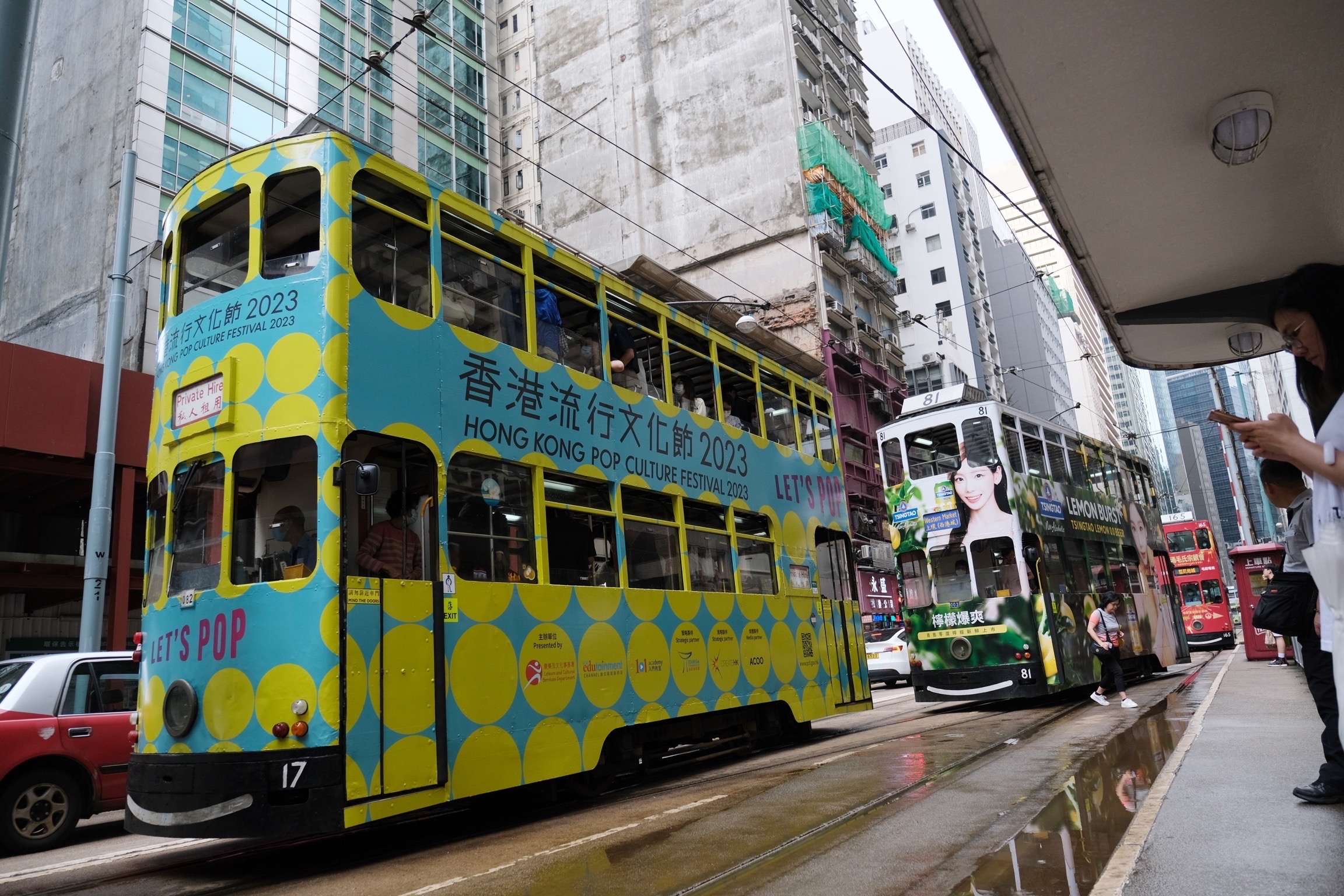
The Hong Kong Tramways, affectionately called “Ding Dings” by locals, are one of the city’s most iconic and nostalgic ways to travel. Operating only on Hong Kong Island, these double-decker trams have been running since 1904 and remain a must-try experience for visitors.Trams travel along the northern part of Hong Kong Island, from Kennedy Town in the west to Shau Kei Wan in the east, passing through famous areas such as Central, Wan Chai, Causeway Bay, and North Point.
Although they move slowly compared to the MTR or buses, trams are extremely affordable, scenic, and full of local charm — perfect for sightseeing at a relaxed pace while soaking in the city’s vibrant street life.
🗺️ Popular Tram Routes & Stops for Travellers
| Route Section | Attractions Along the Way | Recommended For |
|---|---|---|
Kennedy Town → Central | Local neighbourhoods, harbour views, and cafes | Morning rides |
Central → Causeway Bay | Landmarks like Bank of China Tower, Pacific Place, and shopping areas | First-time visitors |
Causeway Bay → Shau Kei Wan | Local markets, North Point district, and daily Hong Kong life scenes | Cultural exploration |
Happy Valley Loop | Passes residential streets and the Happy Valley Racecourse | Leisurely rides |
💡 How to Use the Tram
Board from the rear door — you can get on at any stop along the tram tracks.
Find a seat- ideally on the upper deck for the best views of Hong Kong Island’s busy streets.
Press the stop bell before reaching your stop.
Exit through the front door and tap your Octopus Card on the reader beside the driver. (You only pay when getting off.)
🧭 Travel Tips for Malaysian Travellers
- Sit on the upper deck, front row for the best cityscape views.
- Ideal for budget sightseeing — it’s one of the cheapest transport modes in Hong Kong.
- Trams run from around 5:00 AM to midnight daily.
- Take a short ride if you’re in a hurry, or a full route for a relaxing tour of Hong Kong Island.
- Don’t rush — trams move slowly, so just enjoy the nostalgic “ding ding” sounds as part of the experience!
🔥Up to 20% OFF on New Hotels

Promotion period: June 16, 2025 until Dec 31, 2026.
🚢 Ferries
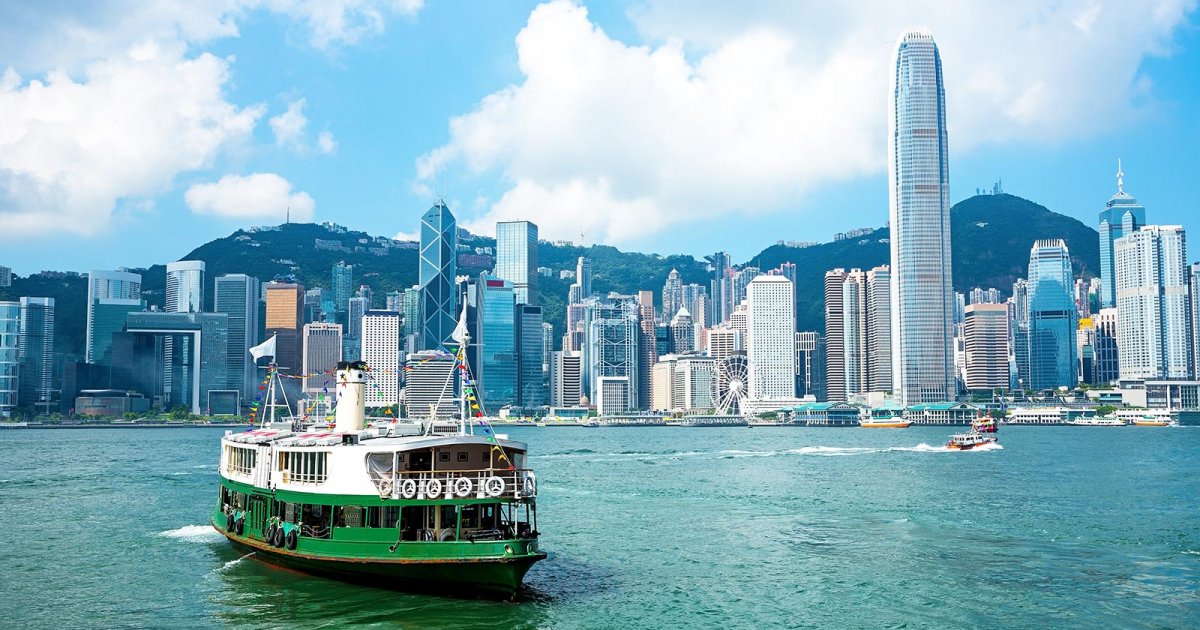
Source: My WoWo
Ferries are one of the most scenic and enjoyable ways to travel around Hong Kong, offering stunning views of Victoria Harbour and the surrounding islands. Whether you’re crossing between HongKong Island and Kowloon or exploring the outlying islands, ferries provide a relaxing and affordable way to see the city from the water.
The most famous service is the Star Ferry, a cultural icon that has connected Hong Kong Island and Kowloon for more than a century. Other ferry routes link the city to destinations such as Lantau Island, Cheung Chau, Lamma Island, and Peng Chau — perfect for day trips or weekend escapes.
🗺️ Key Ferry Services for Travellers
| Ferry Service | Route / Coverage Area | / Attractions Along the Route | Approx. Fare | Operating Hours |
|---|---|---|---|---|
Star Ferry | Tsim Sha Tsui ↔ Central / Wan Chai | Iconic harbour views, perfect for photos of Hong Kong skyline | From HK$3 (From RM2) | 6:30 AM – 11:00 PM |
Central ↔ Lamma Island | Central Ferry Pier No. 4 ↔ Sok Kwu Wan / Yung Shue Wan | Seafood restaurants, nature trails, laid-back island vibe | HK$17–30 (RM10 – RM18 | 6:00 AM – 11:00 PM |
Central ↔ Cheung Chau | Central Pier No. 5 ↔ Cheung Chau Island | Beaches, temples, local snacks, and cycling paths | HK$15–30 (RM 9 - RM18) | 6:00 AM – midnight |
Central ↔ Peng Chau | Central Pier No. 6 ↔ Peng Chau Island | Quiet island atmosphere, traditional fishing village | HK$15–25 (RM9 - RM 15) | 6:00 AM – 11:00 PM |
Central ↔ Mui Wo (Lantau Island) | Central Pier No. 6 ↔ Mui Wo | Gateway to Lantau’s hiking trails and beaches | HK$15–30 (RM 9 - RM18) | 6:00 AM – midnight |
North Point ↔ Kowloon City / Hung Hom | Cross-harbour route | Local ferry option connecting Kowloon and Hong Kong Island | HK$6–10 (RM 4 - RM 6) | 6:30 AM – 10:30 PM |
💡 How to Use Ferries
Go to the ferry pier — each route has its own terminal (e.g., Central Ferry Piers, Tsim Sha Tsui Pier).
Buy your ticket at the counter, vending machine, or use your Octopus Card at the gate.
Board the ferry when boarding is announced.
Sit back and enjoy — upper decks offer the best harbour views.
Disembark once the ferry reaches your stop. Keep belongings secure as boats may move with the waves.
🔥Popular Attractions Around the World Deal
Discover the world's popular attractions, theme parks, and activities! Enjoy extra savings up to RM70 OFF for selected products!

🚖 Taxis & Ride-Hailing
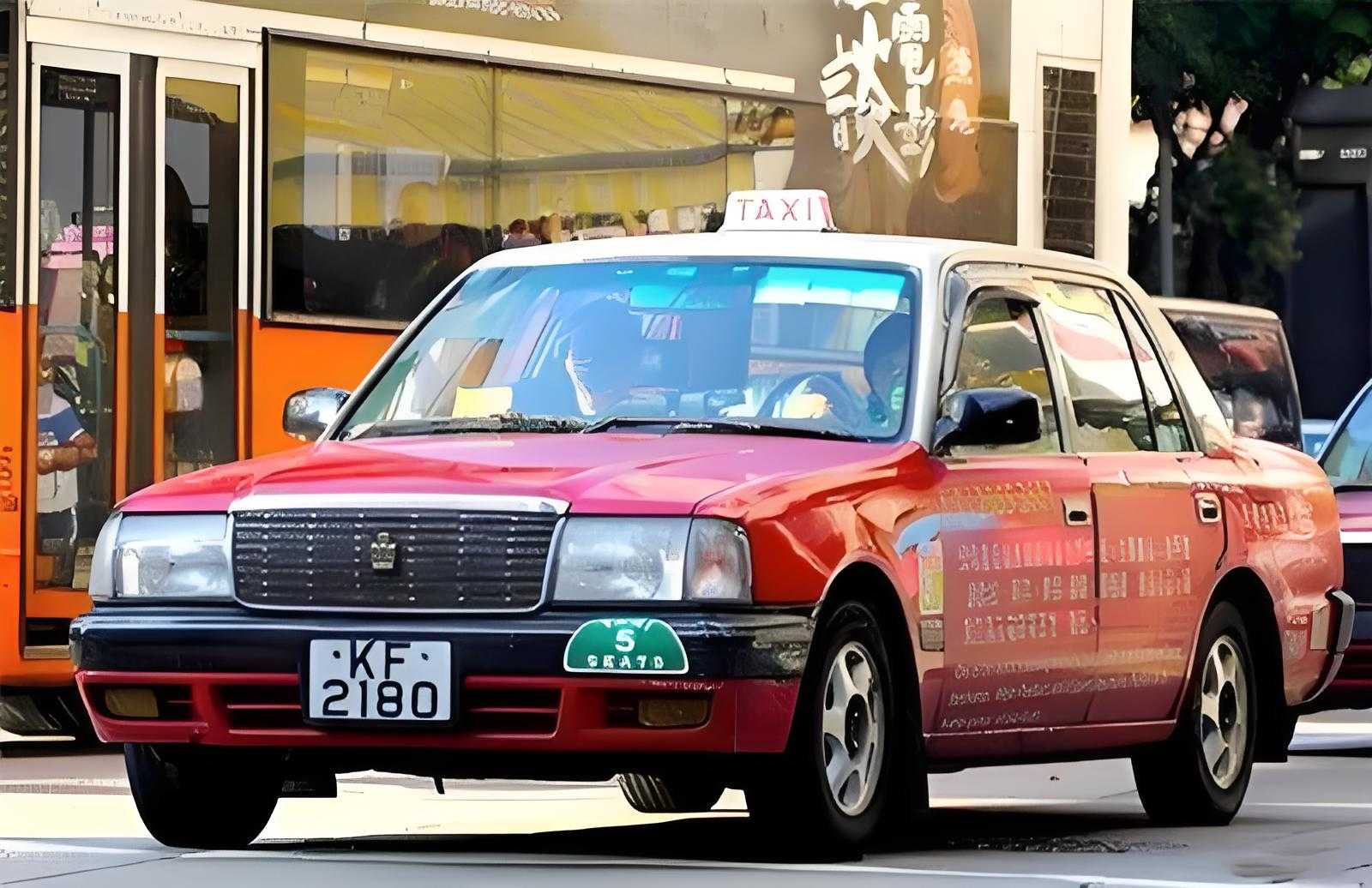
Taxis and ride-hailing services are among the most convenient ways to get around Hong Kong, especially if you’re travelling in groups, carrying luggage, or visiting places not directly connected by public transport. All taxis use meters, ensuring transparent and reliable fares. Hong Kong taxis are colour-coded by operating area, and ride-hailing apps like Uber make it easy to book a car directly from your phone.
🚗 Taxi Colours & Operating Areas
| Taxi Colour / Type | Operating Area | Common Destinations | Base Fare (First 2 km) | Additional Distance | Estimated Fare (Short Ride) | Estimated Fare (Airport → City) |
|---|---|---|---|---|---|---|
Red (Urban) | Hong Kong Island & Kowloon | Most common; covers major attractions, hotels, and shopping areas | HK$27 ≈ RM16 | +HK$1.90 ≈ RM1.10 per 200m | RM16–30 | RM130–180 |
Green (New Territories) | Northern and rural Hong Kong | Cheaper fares; serves suburbs and smaller towns | HK$23.50 ≈ RM14 | +HK$1.70 ≈ RM1.00 per 200m | RM14–25 | RM100–140 |
Blue (Lantau) | Lantau Island | Ideal for airport, Tung Chung, and Ngong Ping Village trips | HK$22 ≈ RM13 | +HK$1.70 ≈ RM1.00 per 200m | RM13–25 | RM80–120 |
💡 Note: Tunnel tolls, luggage, or late-night surcharges may apply.
🚕 How to Use a Taxi in Hong Kong
- Hail a taxi on the street or at a taxi stand (look for the red “For Hire” sign).
- Tell or show your destination — in English or Chinese (best shown on your phone map).
- Pay by cash or Octopus Card (some accept credit cards or e-wallets).
- Ask for a receipt if you need one or in case you leave an item behind.
📱 Ride-Hailing in Hong Kong
Ride-hailing services are becoming more popular, especially for travellers who prefer cashless and app-based rides and want to avoid language barriers, or need a ride during late-night hours. Uber drivers often use private cars, while HKTaxi and FlyTaxi connect directly to official taxi fleets.
| App / Service | How It Works | Payment Options | Notes |
|---|---|---|---|
Uber | Book cars via app (available citywide). | Credit/debit cards, PayPal, Apple Pay. | Reliable, clean cars; may cost slightly more than taxis during peak hours. |
HKTaxi / FlyTaxi | Apps that connect you to licensed local taxis. | Cash or Octopus Card to the driver. | Best for shorter city rides; fares same as metered taxis. |
💡 Tips for Malaysian Travellers:
- Red taxis are the most flexible and cover the widest area.
- All taxis use meters and accept cash, Octopus Card, or (in some cases) credit cards.
- Tunnel tolls, luggage fees, or late-night surcharges may apply.
- If you prefer cashless travel, ride-hailing apps like Uber or HKTaxi are great alternatives
🚝 Airport Express
The Airport Express is the fastest and most convenient way for Malaysian travellers to get from Hong Kong International Airport (HKIA) to the city centre. The train connects the airport to Central Station in just 24 minutes, offering a smooth and comfortable journey after your flight.
Each train is equipped with luggage racks, spacious seating, and free Wi-Fi, making it ideal for travellers with bags or families. Upon arrival at Hong Kong or Kowloon Station, free shuttle buses are available to take passengers directly to major hotels and transport hubs.
💴 Airport Express Routes and Fares
Source: Hong Kong-airport-transfer.com
| Route | Approx. Fare (HK$) | Approx. Fare (RM) | Travel Time |
|---|---|---|---|
Airport → Hong Kong Station | HK$115 | RM70 | 24 mins |
Airport → Kowloon Station | HK$105 | RM64 | 22 mins |
Airport → Tsing Yi Station | HK$70 | RM43 | 14 mins |
💡 Tips for Malaysian Travellers:
- Trains run every 10–12 minutes from 5:50 AM to 12:48 AM.
- Keep your Airport Express ticket if you plan to use the free hotel shuttle bus.
- If staying near Central, Tsim Sha Tsui, or Mong Kok, this is the quickest option.
- Travelling in a group? Consider buying group or round-trip passes for better value.
💳 Payment Tip:
Use your Octopus Card or purchase a single journey ticket at the Airport Express counter or ticket machines. You can also book discounted round-trip tickets online for extra savings.
Top Things to do in Hong Kong
![[Tawaran Terhad Diskaun 50%] Mimpi Pelayaran Mewah di Hong Kong - Pelancongan Malam di Pelabuhan Victoria](https://ak-d.tripcdn.com/images/0355612000tum29mo16E5_C_568_320.png)
🚄 High-Speed Rail (XRL – Express Rail Link)
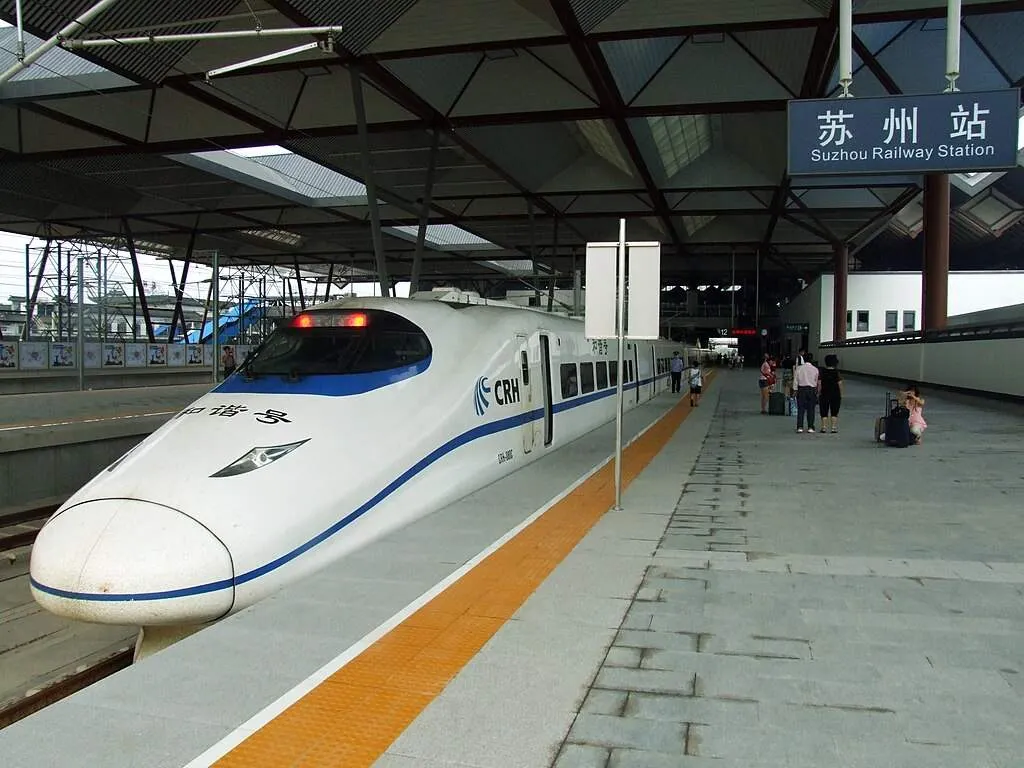
The High-Speed Rail (XRL) is the fastest and most convenient way for Malaysian travellers to reach mainland China from Hong Kong. Departing from West Kowloon Station, the train connects Hong Kong with Shenzhen in just 15–20 minutes and Guangzhou in under an hour, with further links to major cities such as Beijing, Shanghai, Chengdu, and Wuhan.
Trains are modern, clean, and comfortable, featuring reserved seating, ample luggage space, and clear bilingual announcements in English and Chinese. It’s an excellent option for travellers continuing their journey into mainland China for business or leisure.
💴 Key Routes & Fares for Travellers
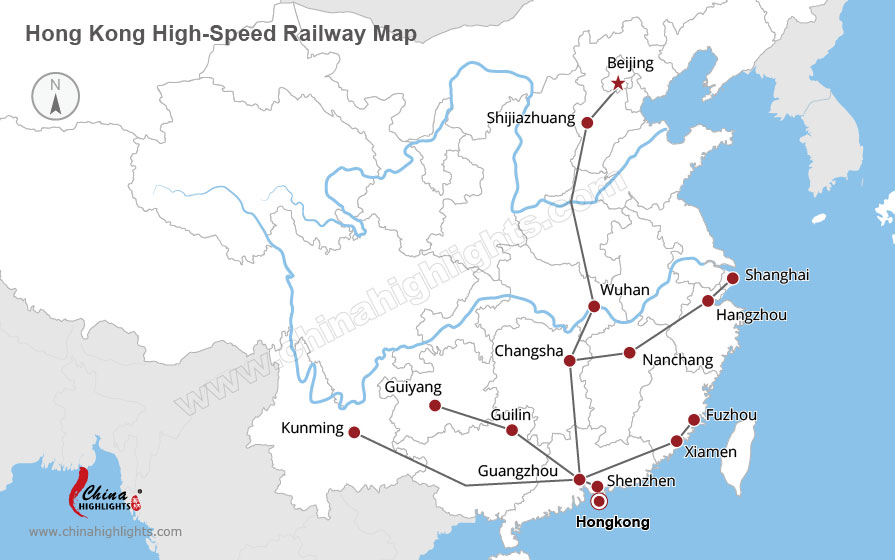
Source: China Highlights
| Route / Destination | Approx. Fare (HK$) | Approx. Fare (RM) | Travel Time | Notes |
|---|---|---|---|---|
Hong Kong → Shenzhen North | HK$86 | RM52 | 15–20 mins | Closest mainland city; tech hub, shopping, and food |
Hong Kong → Futian (Shenzhen) | HK$80 | RM48 | 14 mins | Direct access to Shenzhen CBD |
Hong Kong → Guangzhou South | HK$260 | RM155 | 50 mins | Major business city; Canton Tower, shopping, food |
Hong Kong → Changsha South | HK$610 | RM360 | 3.5 hrs | Gateway to Zhangjiajie and scenic Hunan |
Hong Kong → Shanghai Hongqiao | HK$1,000 | RM595 | 8 hrs | Modern city with The Bund, Disneyland, shopping |
Hong Kong → Beijing West | HK$1,200 | RM715 | 8.5 hrs | Capital of China; Forbidden City, Great Wall |
💡 Tips for Malaysian Travellers:
- Bring your passport and valid China visa, as the High-Speed Rail crosses into mainland China.
- Arrive at least 45 minutes early for ticket collection, security, and immigration checks.
- Trains operate from 7:00 AM to 10:30 PM daily.
- Book early during public holidays or weekends to secure your preferred seats.
- West Kowloon Station is connected to Austin and Kowloon MTR stations, making transfers easy.
💳 Octopus Card
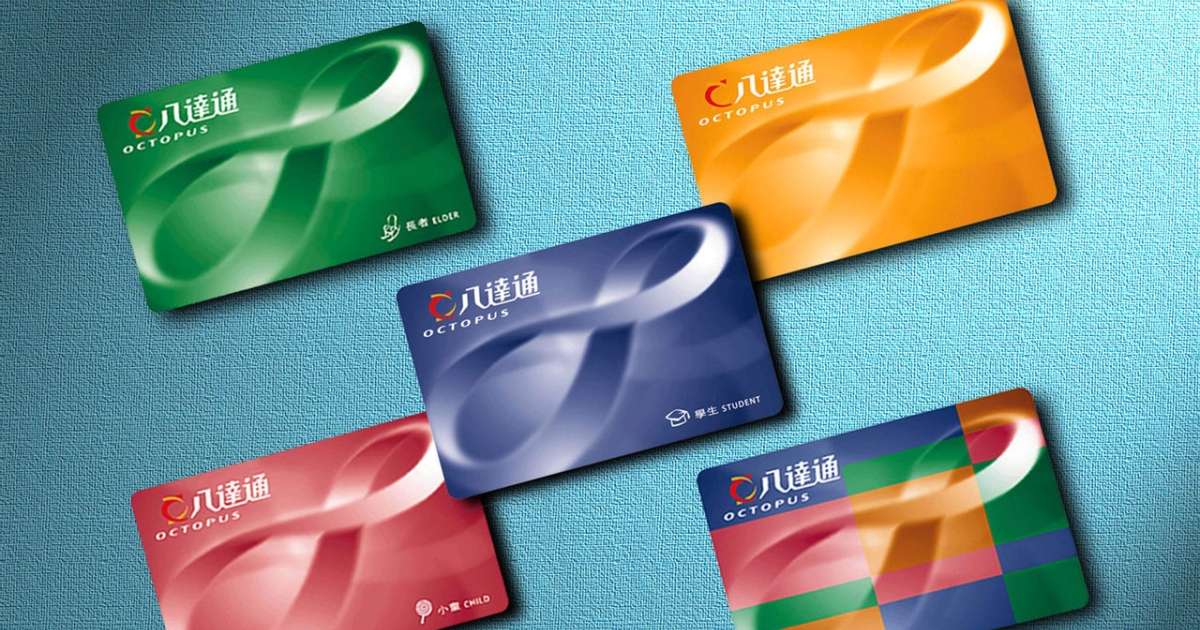
Source: Hong Kong Business
The Octopus Card is a must-have for Malaysian travellers visiting Hong Kong. It’s a rechargeable smart card that makes travelling around the city simple, fast, and cashless. With just a tap, you can pay for MTR rides, buses, minibuses, ferries, trams, and even taxis that accept Octopus payments. Beyond transport, the card is also widely accepted at convenience stores (7-Eleven, Circle K), supermarkets, cafés, vending machines, and fast-food outlets making it one of the easiest ways to manage daily expenses while travelling.
💴 Octopus Card Details for Travellers
| Type | Deposit (Refundable) | Initial Stored Value | Total Cost (Approx.) | Approx. in RM |
|---|---|---|---|---|
Adult Octopus Card | HK$50 | HK$100 | HK$150 | ≈ RM90 |
Child / Senior Octopus Card | HK$50 | HK$20 | HK$70 | ≈ RM42 |
Tourist Octopus (Sold version) | No deposit (non-refundable) | Preloaded HK$50 or HK$100 | HK$50–100 | ≈ RM30–60 |
Steps Guide To Use Octopus Card
| Step | What to Do | Details |
|---|---|---|
1. Buy Your Card | Purchase at Hong Kong International Airport, MTR stations, or convenience stores (7-Eleven, Circle K). | 💡 Buy it upon arrival — you’ll use it for transport and shopping everywhere. |
2. Top Up (Reload) | Add value at MTR Add Value Machines, customer service counters, or convenience stores. | 💰 Minimum top-up: HK$50 (≈ RM30) |
3. Use for Transport | Tap your card when entering/exiting MTR gates, boarding buses, trams, ferries, or taxis with the Octopus logo. | 🚇 Works on MTR, buses, minibuses, ferries, trams, and some taxis |
4. Use for Shopping | Tap to pay at stores, cafés, and fast-food outlets showing the Octopus logo. | 🛍️ Accepted at 7-Eleven, Circle K, McDonald’s, Café de Coral, supermarkets, and more. |
5. Check Balance | View balance on the screen after tapping, at MTR balance machines, or in the Octopus app. | 🔍 Keep an eye on your balance to avoid running low. |
6. Refund Before Leaving | Return the card at any MTR Customer Service Centre. | 🧾 Refund includes remaining balance + HK$50 deposit (small fee applies if refunded within 90 days). |
7. Reuse Anytime | Keep your card for future trips to Hong Kong. | ♻️ The Octopus Card never expires— perfect for repeat visits. |
Using an Octopus Card saves both time and money compared to buying single-journey tickets or paying cash fares. It offers small fare discounts and avoids long ticket queues, especially during peak hours.
🔥HSBC Premier Weekend
Book your next flight and enjoy extra savings with your HSBC Credit Cards!

💵 Money & Payments in Transport
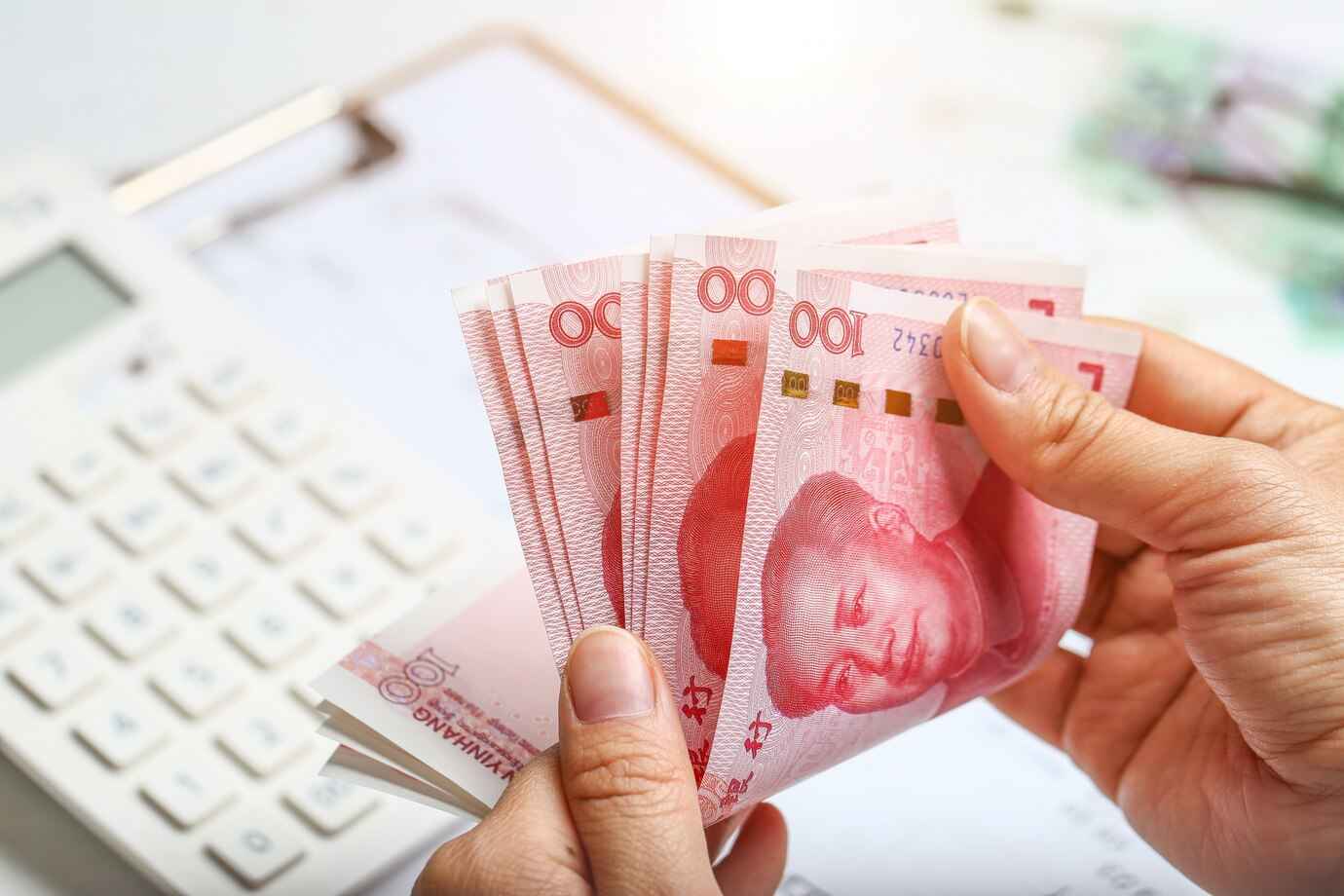
Travelling around Hong Kong is easy when you know how to pay for transport. Most public transport systems are cashless and use the Octopus Card, though cash and mobile payments are still widely accepted. Malaysian travellers will find the payment options familiar and convenient.
| Payment Method | Where It’s Commonly Used | Details |
|---|---|---|
💳 Octopus Card | MTR, buses, minibuses, trams, ferries, some taxis, and convenience stores | The best choice for hassle-free travel. Just tap to pay — it’s fast, simple, and widely accepted. |
💵 Cash (HKD) | Taxis, small shops, local markets, and minibuses | Keep small notes and coins ready, as some drivers and stalls may not have change or accept cards. |
💰 Credit / Debit Cards | Hotels, malls, restaurants, and major attractions | Visa, Mastercard, and UnionPay are commonly accepted, but not suitable for public transport. |
📱 Mobile Payments | Chain stores, cafés, and some taxis | E-wallets such as AlipayHK, WeChat Pay, and Apple Pay are widely used. Malaysians can also use Touch ’n Go eWallet via Alipay+at selected merchants. |
💡 Tip: Always keep a mix of payment options — an Octopus Card for transport, cash for small purchases, and a card or e-wallet for shopping and dining.
🔥Go China
Travel to China! Get RM 120 OFF on Flight & Hotel!

FAQs Transportation in Hong Kong
-
What is the best way to get around Hong Kong?
-
How do I pay for transport in Hong Kong?
-
What is the most scenic way to travel?
-
Is public transport affordable in Hong Kong?
-
Is public transport easy for first-time visitors?