
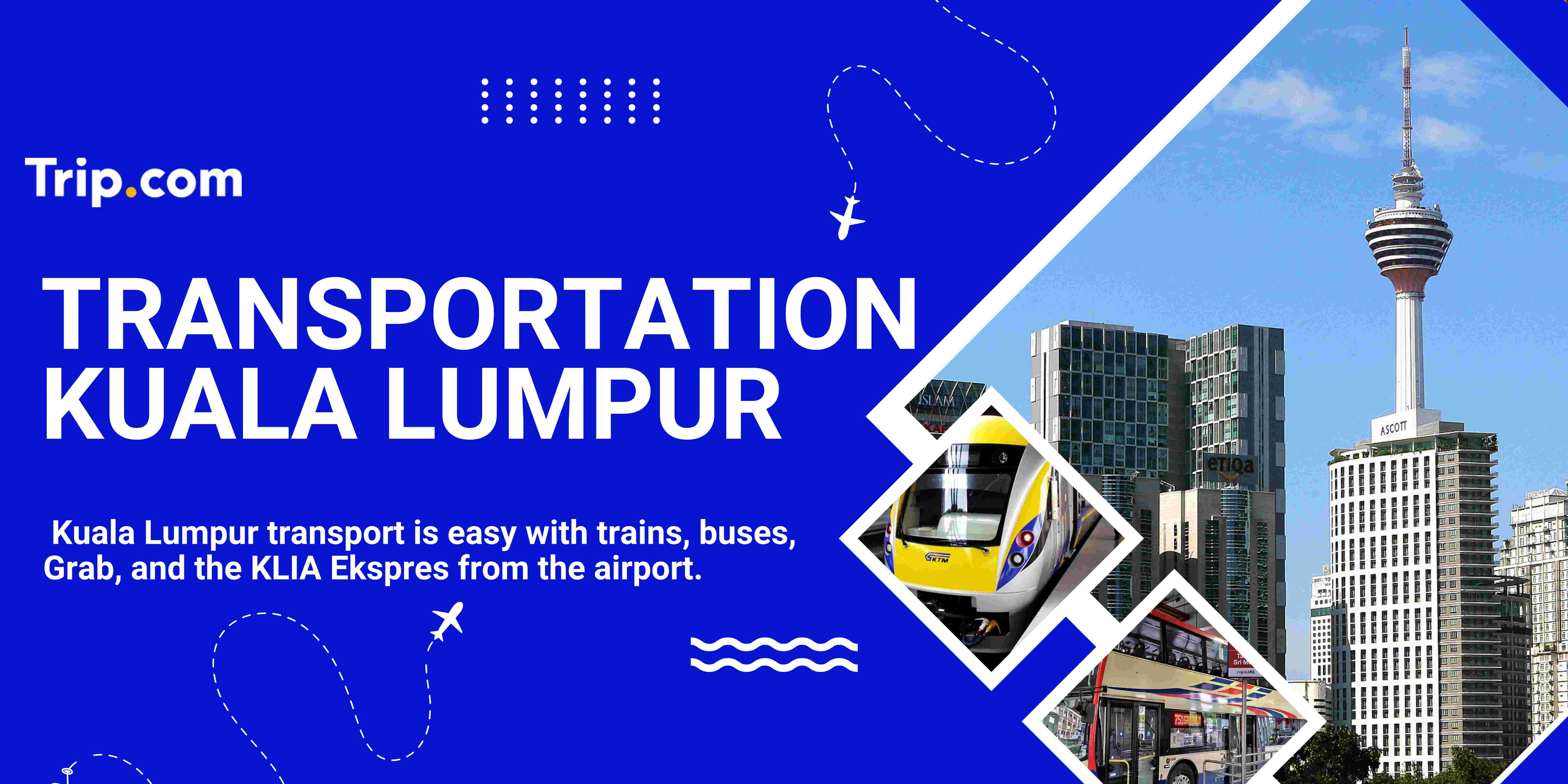
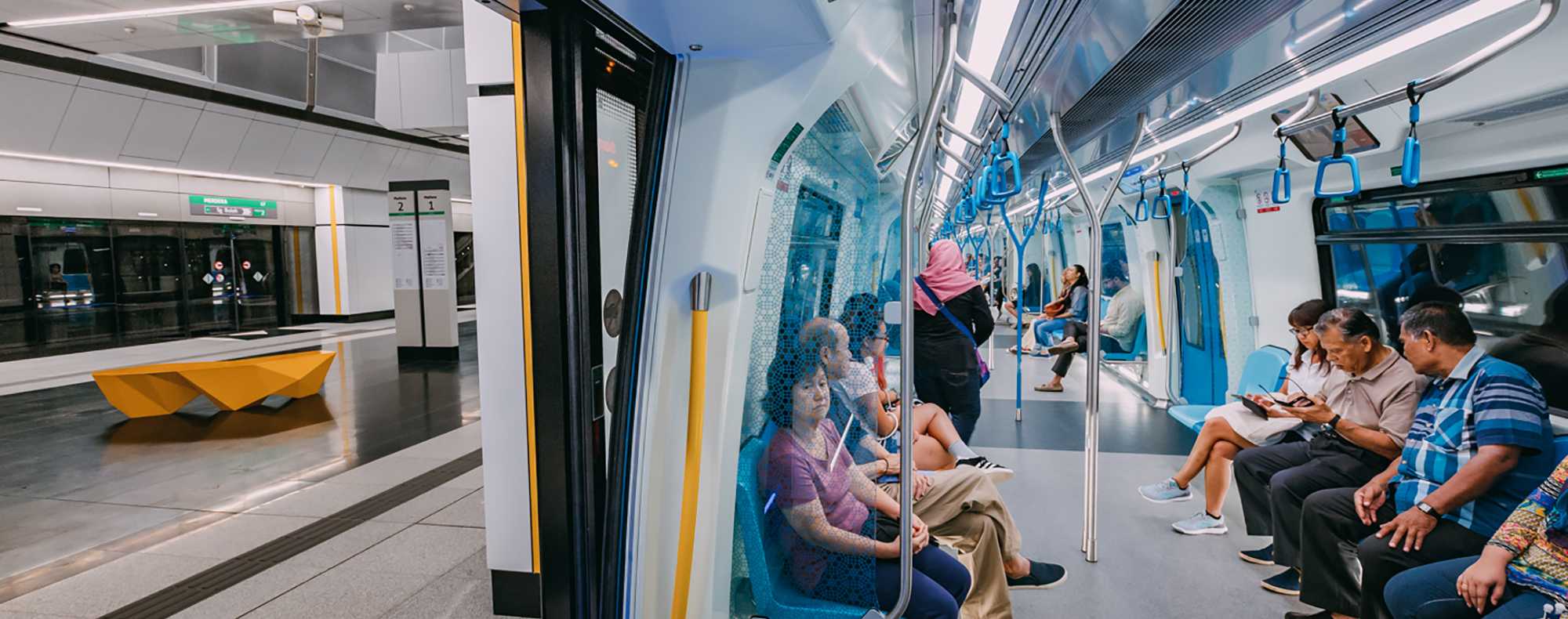
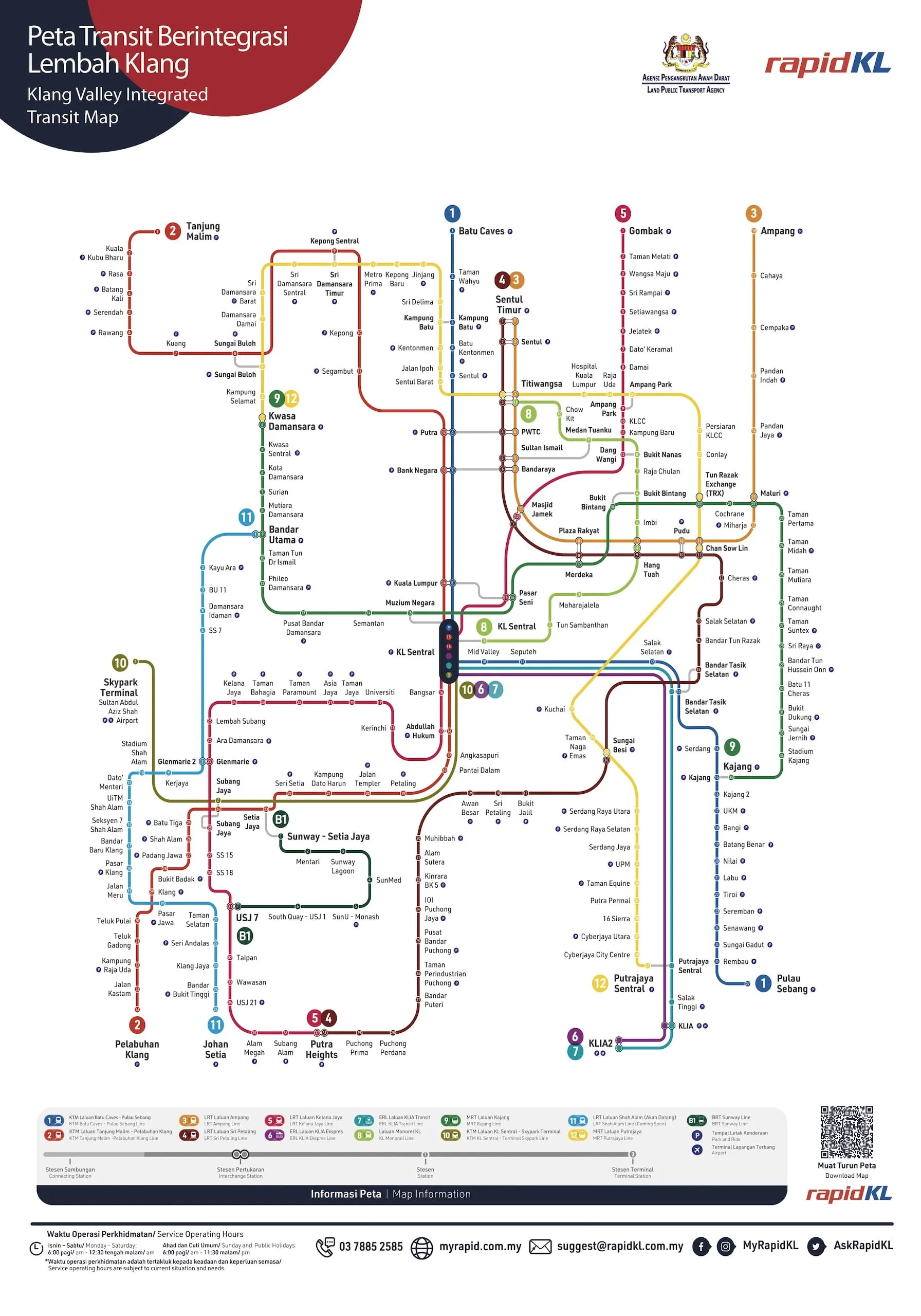
Kuala Lumpur offers a well-developed and reliable public transport network that makes travelling around the city convenient and affordable. The system includes the LRT (Light Rail Transit), MRT (Mass Rapid Transit), Monorail, and KTM Komuter, all of which connect major business districts, tourist attractions, and residential areas. One of the key advantages for travellers is the integration of these transport modes at central hubs. Stations such as KL Sentral, Pasar Seni, and Muzium Negara act as interchange points, allowing passengers to switch easily between train lines or connect to buses and airport services. This seamless connectivity means you can travel across the city without the hassle of long waiting times or complicated transfers.
For visitors, this network is not only cost-effective but also a great way to avoid traffic congestion, especially during peak hours. With air-conditioned trains, clear signage, and route maps in English, the system is designed to be user-friendly for both locals and international travellers.
MRT & LRT Convenience

Source: MRT Corp
The MRT (Mass Rapid Transit) and LRT (Light Rail Transit) are among the most convenient ways to explore Kuala Lumpur and its surrounding suburbs. Together, these train networks cover a wide range of destinations, from the bustling city centre to residential neighbourhoods and shopping districts. For travellers, the MRT and LRT offer a comfortable, air-conditioned, and budget-friendly alternative to taxis or driving. Trains run frequently throughout the day, making it easy to plan sightseeing trips without worrying about long waits. More importantly, they help you avoid the city’s notorious traffic jams, which can save valuable time during your journey.
Stations are equipped with clear English signage, route maps, and announcements, making them accessible even for first-time visitors. Many stations are also directly connected to popular malls, markets, and tourist attractions, allowing travellers to step right into the heart of the action.
🗺️ Key Attractions Along MRT & LRT Routes

Line | Notable Station(s) | Nearby Attractions |
|---|---|---|
MRT Kajang Line | Bukit Bintang | Shopping malls (Pavilion KL, Lot 10, Fahrenheit 88), Jalan Alor Food Street |
Merdeka | Merdeka 118 Tower (world’s 2nd tallest), Stadium Merdeka | |
Pasar Seni | Central Market, Petaling Street (Chinatown), River of Life | |
Muzium Negara | National Museum, Perdana Botanical Garden | |
LRT Kelana Jaya Line | KLCC | Petronas Twin Towers, Suria KLCC Mall, KLCC Park, Aquaria |
Masjid Jamek | Sultan Abdul Samad Building, Dataran Merdeka (Merdeka Square) | |
KL Sentral | NU Sentral Mall, gateway to airport & intercity trains | |
LRT Ampang / Sri Petaling Line | Hang Tuah | Berjaya Times Square Mall & Theme Park |
Bandaraya | SOGO Shopping Mall, Jalan TAR textile street |
🛠️ How to Use MRT & LRT in Kuala Lumpur

1. Get a Travel Card
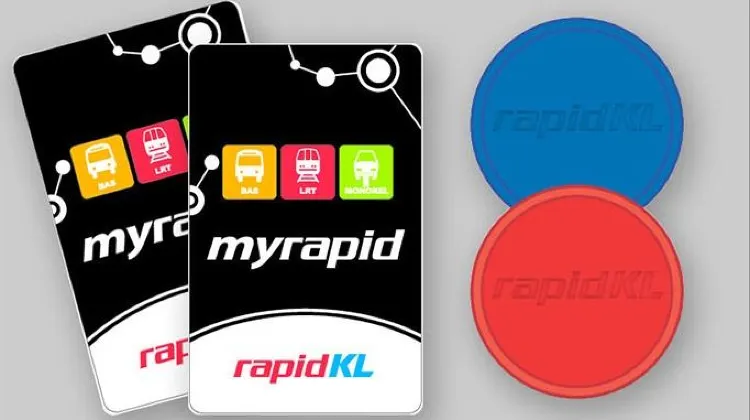
- The easiest option is the Touch ‘n Go card or Touch ‘n Go eWallet, which can be used on all trains, buses, and even some retail shops.
2. Single Journey Tokens
- Available at self-service machines and counters at every station. Tap to enter, insert to exit.
3. Plan Your Trip
- Apps like Moovit, MyRapid, or Google Maps show routes, travel times, and train schedules.
4. Frequency & Hours
- Trains arrive every 3–7 minutes during peak hours and every 10–15 minutes off-peak.
- Operating hours: about 6:00 AM – 11:30 PM.
5. Fares
- Typically range between RM1 – RM8, depending on distance.
- Touch ‘n Go card users enjoy discounted rates.
6. Travel Tips
- Avoid rush hours (7–9 AM, 5–7:30 PM) to skip the crowd.
- Look out for priority seating for the elderly, disabled, and pregnant women.
- Many stations link directly to malls and attractions, making them great starting points for your exploration.
🔥Explore Singapore
✈ Fly to SingaporeEnjoy Singapore Travel Deals for Hotel & Flights! Trip.com Exclusive Promo Codes up to 12% OFF for Flights & RM80 OFF for hotel available every Wednesday!

🚝 Monorail for City Centre Travel

Source: Malay Mail
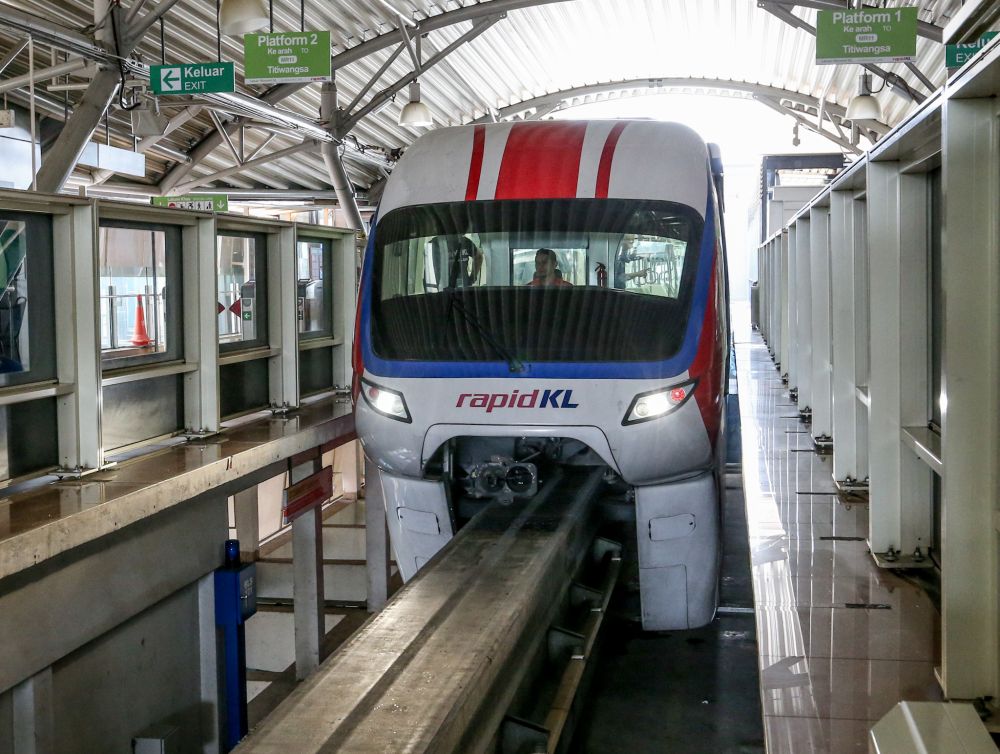
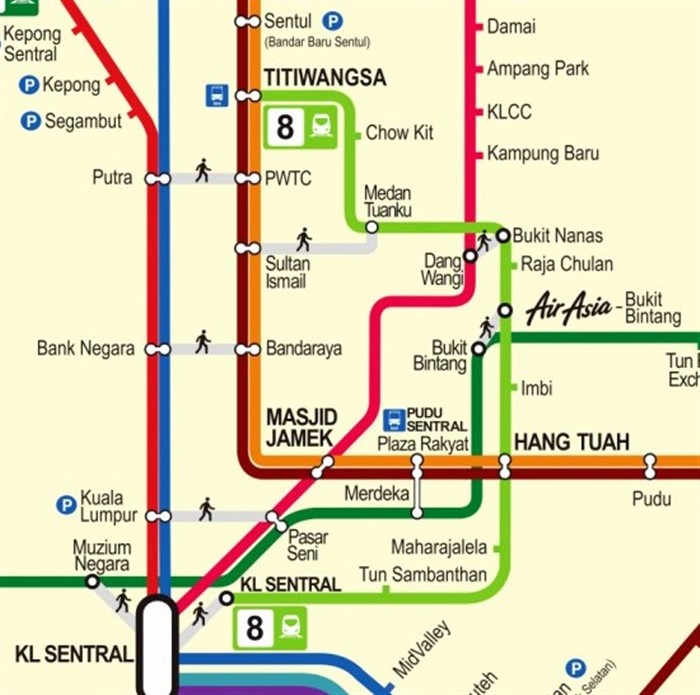
The KL Monorail is a convenient option for travellers exploring the heart of Kuala Lumpur. Running through key parts of the city centre, it connects areas such as Bukit Bintang, Imbi, and Chow Kit, making it especially useful for shopping, dining, and nightlife. For travellers, the monorail is the easiest way to reach major shopping and entertainment districts without getting stuck in traffic. Popular malls like Berjaya Times Square, Pavilion Kuala Lumpur, and Lot 10 are located just a short walk from its stations. In addition, attractions such as KL Tower and the nearby KL Forest Eco Park can also be accessed via the Bukit Nanas Station.
The line is relatively short compared to the MRT and LRT, but it is well-suited for those who want to move quickly between tourist hotspots in the city centre. Trains are air-conditioned, affordable, and run frequently, making the KL Monorail an excellent choice for both day and evening trips.
🗺️ Key KL Monorail Stations and Attractions

Source: Train36.com
Station | Nearby Attractions |
|---|---|
Bukit Bintang | Pavilion KL, Lot 10, Fahrenheit 88, Jalan Alor Night Food Street |
Imbi | Berjaya Times Square Mall & Indoor Theme Park |
Bukit Nanas | KL Tower (Menara KL), KL Forest Eco Park canopy walk |
Chow Kit | Chow Kit Market, local street food stalls |
Medan Tuanku | Quill City Mall, nearby hotels and offices |
🛠️ How to Use the KL Monorail
1. Tickets & Payment
- Use a Touch ‘n Go card for faster entry and discounted fares.
- Single journey tokens are also available at ticket machines in every station.
2. Fares
- Typically range from RM1.20 – RM4.10, depending on the distance.
3. Operating Hours & Frequency
- Operating hours: around 6:00 AM – 11:30 PM daily.
- Trains run every 5–7 minutes during peak hours and 10–12 minutes during off-peak.
4. Travel Tips
- Bukit Bintang Station is the busiest stop and the best starting point for shopping and dining.
- For sightseeing, stop at Bukit Nanas to visit KL Tower and the eco-park canopy walk.
- Avoid travelling during evening rush hours if possible, as trains can get crowded.
Recommended Hotels in Kuala Lumpur
🚉 KTM Komuter for Longer Distances

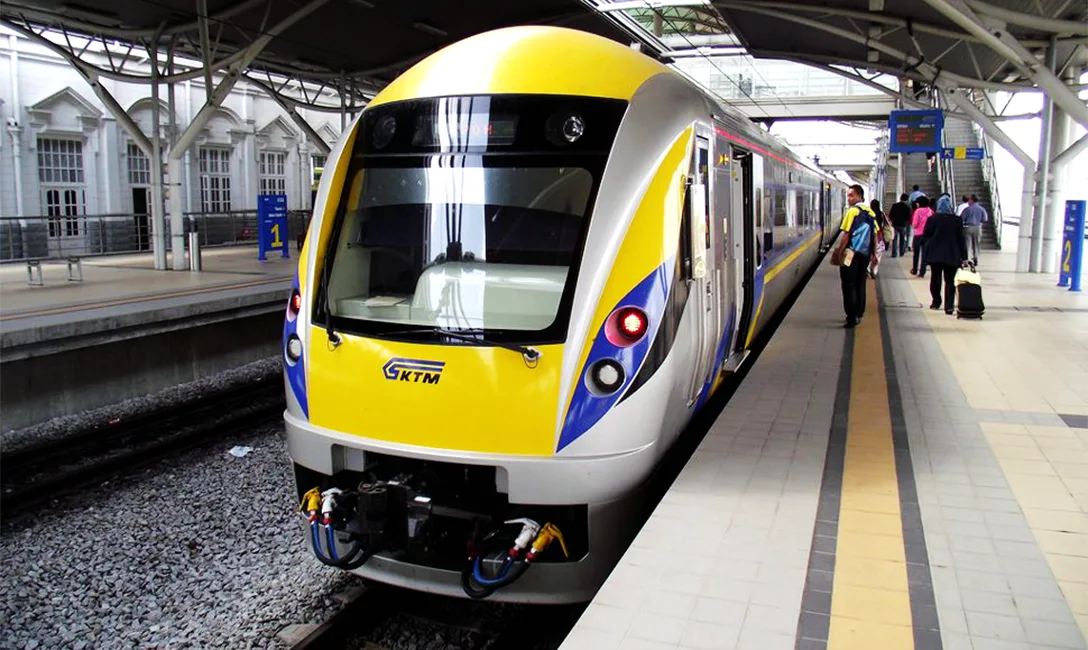
Source: klia2.info
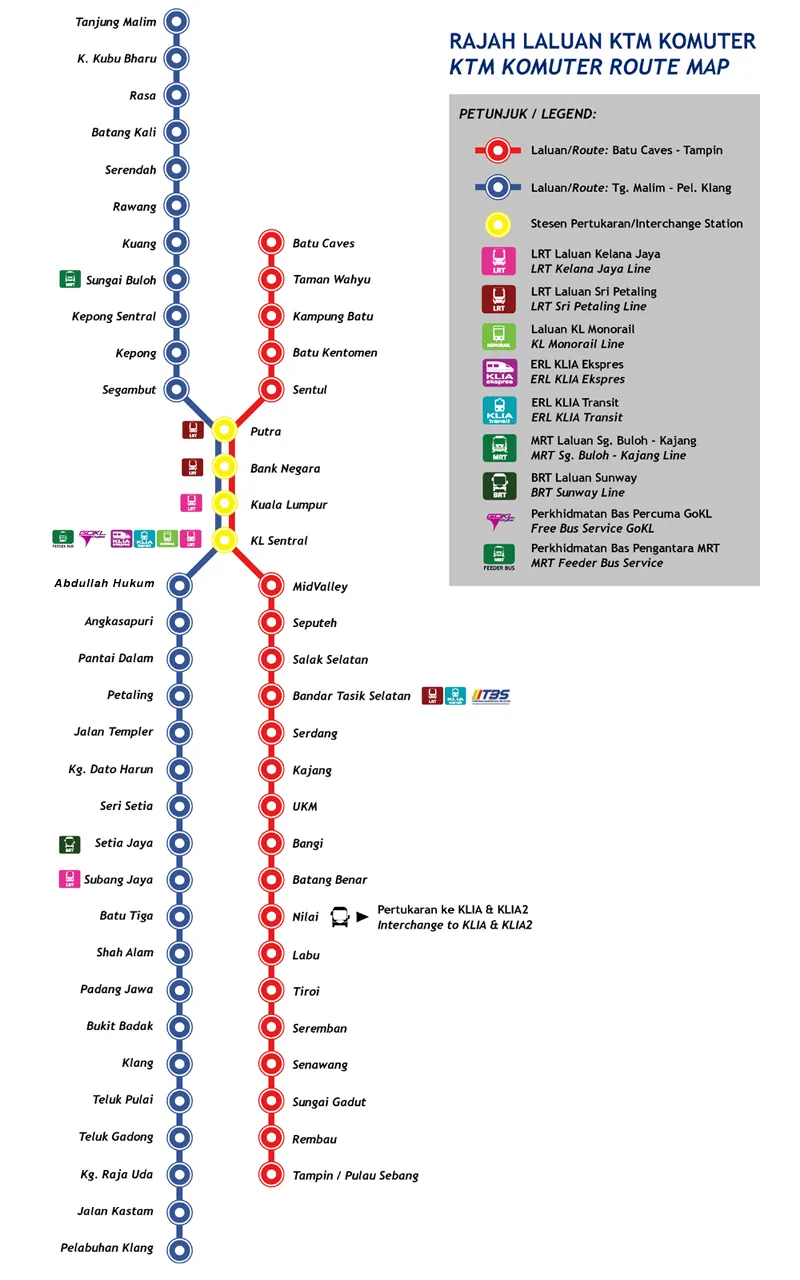
The KTM Komuter is ideal for travellers who want to explore areas outside of Kuala Lumpur. Unlike the MRT, LRT, or Monorail, which focus mainly on the city centre, KTM Komuter trains connect the capital with nearby towns and suburbs such as Rawang, Seremban, Klang, and Batu Caves. For travellers, it is a great option for day trips and cultural excursions. Popular destinations like the Batu Caves Temple, the historic town of Klang, and the shopping and dining spots in Seremban can all be reached conveniently by Komuter trains. Many Malaysians also use it for daily commuting, making it one of the most important suburban rail services in the country.
The trains are spacious, affordable, and a practical choice for anyone who wants to experience life beyond Kuala Lumpur while still enjoying the comfort of rail travel.
🗺️ Key KTM Komuter Stations and Attractions

Station | Nearby Attractions |
|---|---|
Batu Caves | Batu Caves Temple with colourful steps and Hindu shrines |
Klang | Little India, Royal Klang Town Heritage Walk, local food (bak kut teh) |
Seremban | Seremban Wet Market, local cuisine (siew pau), Lake Gardens |
Rawang | Gateway to recreational parks and waterfalls |
Mid Valley | Mid Valley Megamall and The Gardens Mall |
Putra | PWTC, Sunway Putra Mall |
🛠️ How to Use KTM Komuter
1. Tickets & Payment
- Use a Touch ‘n Go card for quick entry and discounted fares.
- Alternatively, buy single journey tickets at counters or machines in the station.
2. Fares
- Prices usually range from RM2 – RM15, depending on distance travelled.
3. Operating Hours & Frequency
- Operating hours: about 5:30 AM – 11:00 PM daily.
- Trains run every 15–30 minutes, but frequency may be longer during off-peak hours.
4. Travel Tips
- Batu Caves is one of the most popular tourist spots accessible by Komuter—ideal for a half-day trip.
- Trains can be crowded during peak hours since many locals use them for work and school commutes.
- If heading outside the city, plan your return trip early to avoid late evening delays.
Top Things to do in Kuala Lumpur
🚌 RapidKL Buses for City and Suburban Travel

Source: Wikipedia Bahasa Melayu
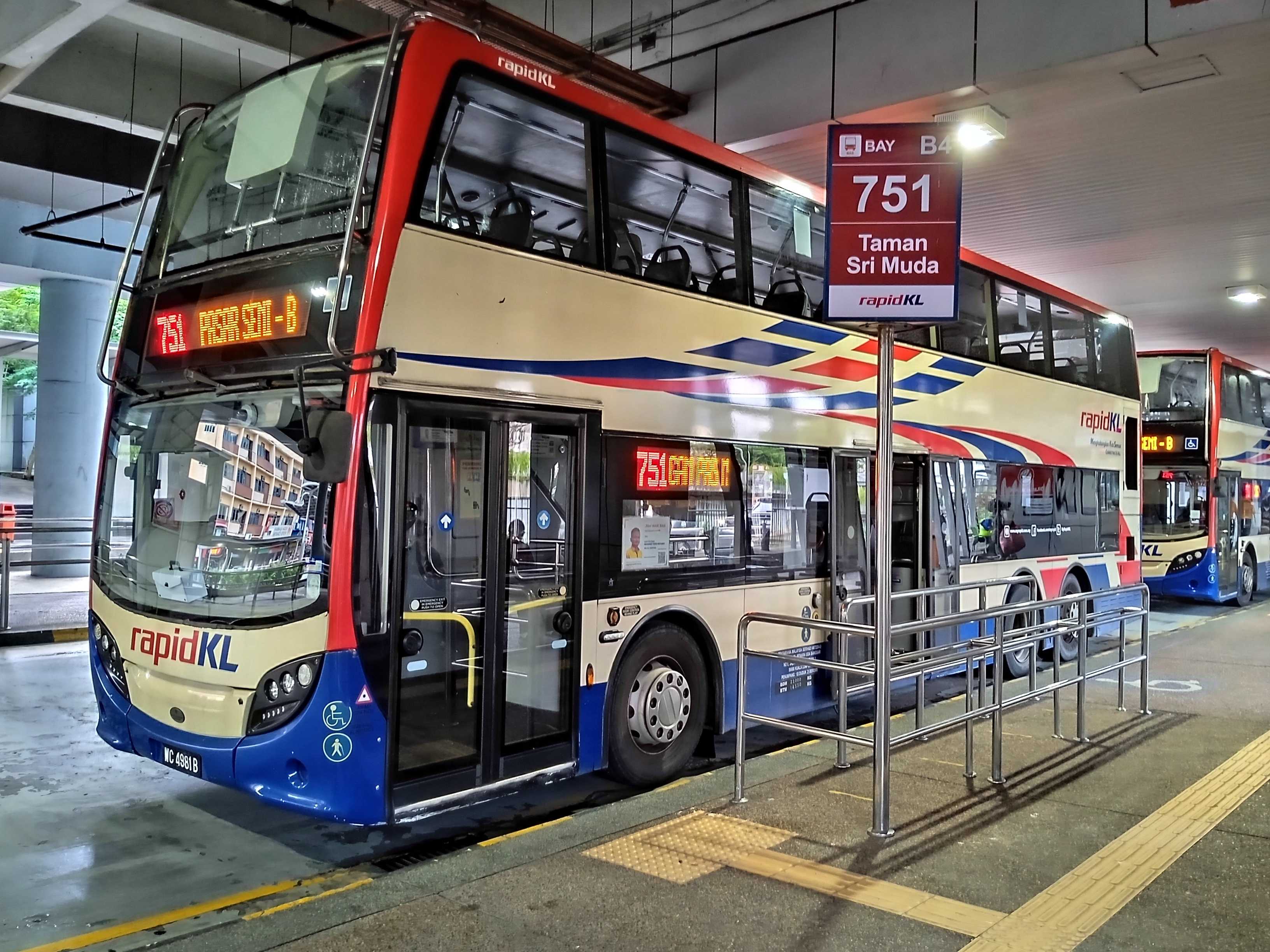
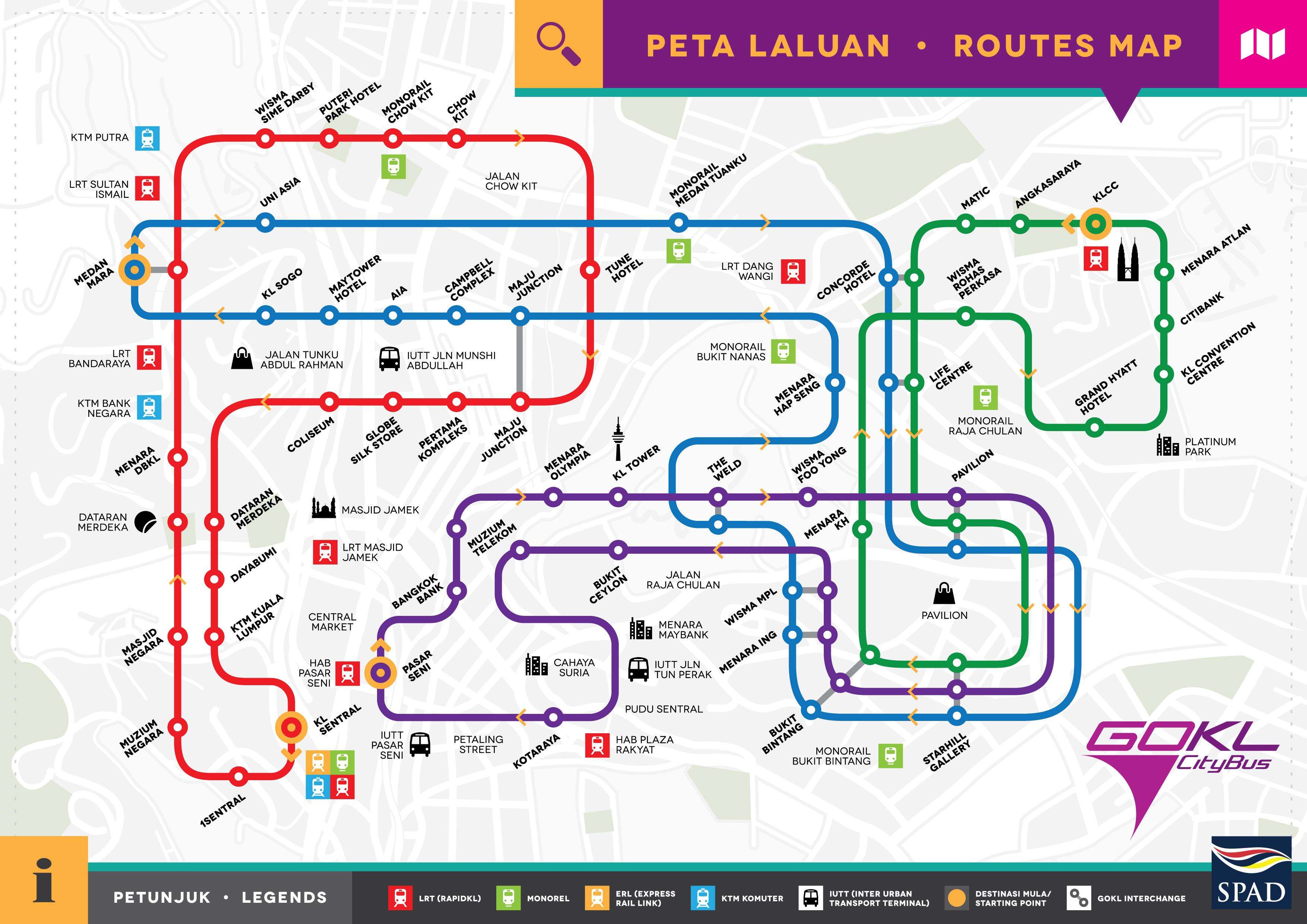
The RapidKL bus network is another convenient way to get around Kuala Lumpur and its surrounding areas. These buses serve major residential neighbourhoods, business districts, and key transport hubs, making them a practical option for travellers who want to explore beyond the train lines. One of the most traveller-friendly services is the GoKL City Bus, a free bus service that operates on several routes in central Kuala Lumpur. The buses are air-conditioned and designed to connect tourists to popular attractions, shopping areas, and landmarks such as KLCC, Bukit Bintang, and Chinatown (Petaling Street).
For longer routes outside the city centre, RapidKL buses provide affordable access to suburban areas and complement the MRT, LRT, and KTM Komuter networks. Although travel times may be slower due to traffic, they remain a budget-friendly choice for travellers.

Source: Four on a journey
🗺️ Key RapidKL and GoKL Bus Routes for Travellers
Route | Coverage Area | Along the Route |
|---|---|---|
GoKL Purple Line | KLCC ↔ Bukit Bintang | Petronas Twin Towers, Pavilion KL, nightlife & shopping |
GoKL Green Line | Bukit Bintang ↔ KL Tower | Jalan Alor Food Street, KL Tower, KL Forest Eco Park |
GoKL Red Line | KL Sentral ↔ Parliament / Mid Valley | KL Sentral, National Museum, Mid Valley Megamall |
GoKL Blue Line | Chow Kit ↔ Bukit Bintang | Chow Kit Market, Quill City Mall, Bukit Bintang shopping |
RapidKL Suburban Routes | Various residential & business areas | Affordable travel to outer KL and nearby suburbs |
🛠️ How to Use RapidKL and GoKL Buses
1. Tickets & Payment
- For RapidKL buses, use a Touch ‘n Go card to tap in when boarding.
- The GoKL City Bus is free, so no ticket or payment is required.
2. Fares
- RapidKL bus fares usually range from RM1 – RM5, depending on the distance.
- GoKL City Buses are completely free of charge.
3. Operating Hours & Frequency
- RapidKL buses generally operate between 6:00 AM – 11:00 PM, though it varies by route.
- GoKL City Buses run every 5–15 minutes, making them convenient for short city hops.
4. Travel Tips
- Use the Moovit app, Google Maps, or MyRapid app to check routes and timings.
- The GoKL buses are colour-coded, so look for the line colour (Purple, Green, Red, or Blue) at bus stops.
- Buses may be slower during peak traffic, so plan extra time for your journey.
🔥Up to 20% OFF on New Hotels

🚗 E-Hailing Services for Flexible Travel

Source: Vulcan Post
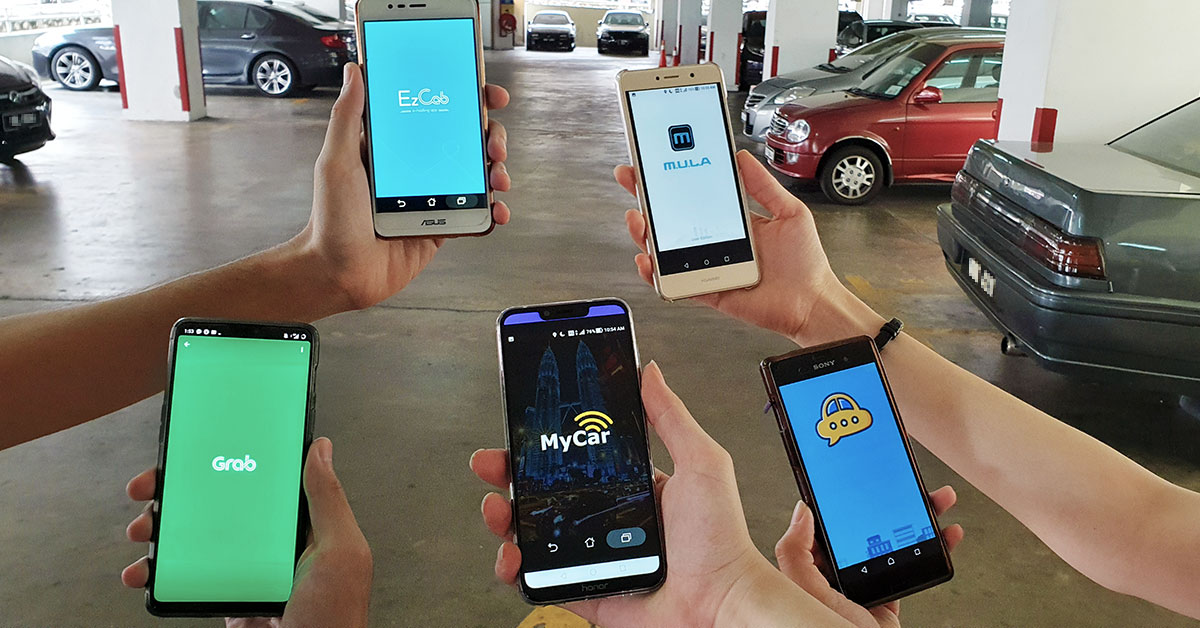
E-hailing services are one of the most popular and convenient ways to get around Kuala Lumpur, especially for travellers who prefer comfort and flexibility. Widely available apps such as Grab, AirAsia Ride, and inDrive allow passengers to book rides instantly from their smartphones. These services are particularly useful for short trips, airport transfers, or late-night travel, when buses and trains may be less frequent. Cars are air-conditioned, fares are displayed upfront on the app, and digital payment options make transactions easy for both locals and visitors.
Travellers can choose from different ride types, ranging from budget-friendly cars to larger vehicles suitable for groups or families. For those carrying luggage, e-hailing is often more convenient than public transport, as it provides a direct, door-to-door service.
🛠️ How to Use E-Hailing Services
1. Download an App
- Popular options include Grab (most widely used), AirAsia Ride, and inDrive.
- Apps are available on both iOS and Android.
2. Booking a Ride
- Enter your pickup and drop-off locations.
- Choose the type of vehicle (standard car, premium, or larger ride for groups).
3. Fares & Payment
- Prices are shown in advance and may vary depending on traffic, distance, or demand.
- Payments can be made via credit/debit card, e-wallets, or cash.
4. Travel Tips
- Use e-hailing for late-night journeys, when public transport services are limited.
- Booking to or from airports is simple, though fares may be higher during peak hours.
- Always confirm the driver’s details and car plate number before getting in.
🔥Refer a friend | Earn up to RM200 in Trip Coins
When friends register via your link, they can get RM20 worth of exclusive promo codes for hotels and flights. Earn up to RM200 in Trip Coins.

🚘 Driving in Kuala Lumpur

Source; ExpatGo
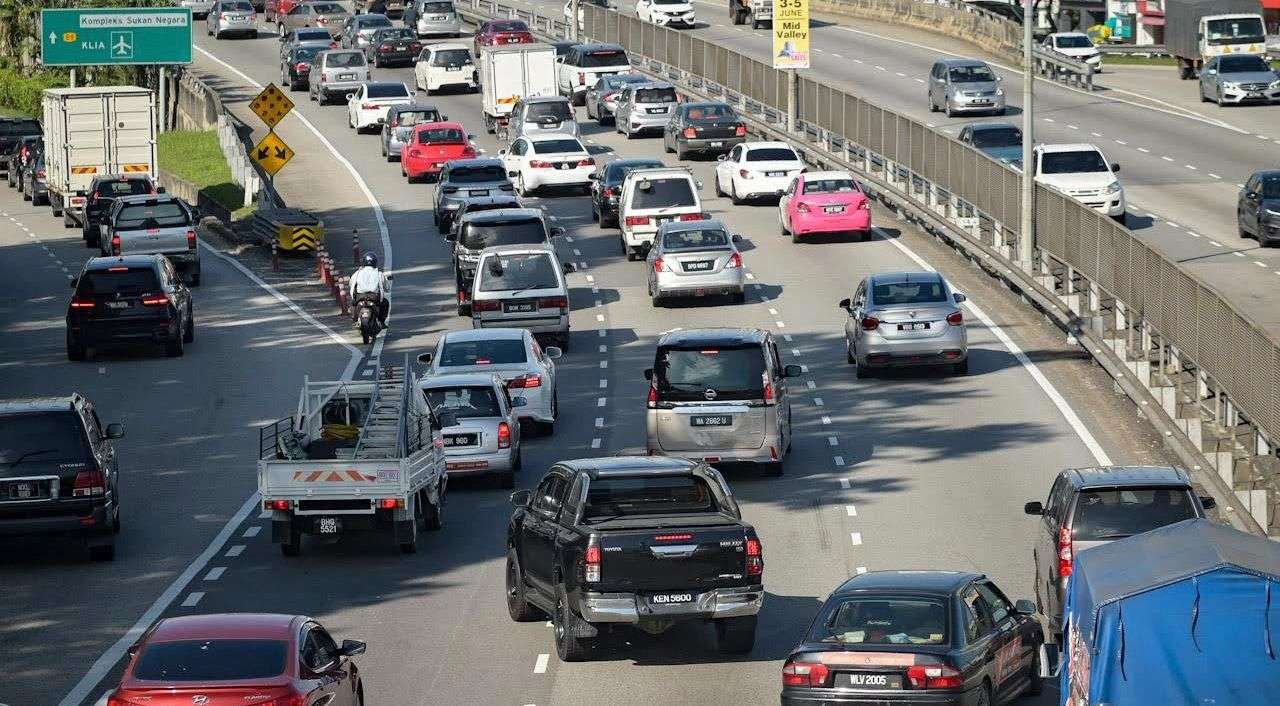
For travellers who value flexibility and independence, renting a car or driving in Kuala Lumpur can be a practical option. It allows you to explore not only the city but also nearby destinations such as Genting Highlands, Batu Caves, or Putrajaya at your own pace. However, driving in the city centre comes with challenges. Traffic congestion is common, especially during morning and evening peak hours, and parking can be limited or expensive in popular areas like Bukit Bintang, KLCC, and Chinatown.
🛠️ Key Things to Know About Driving in Kuala Lumpur
1. Car Rental
- Car rental services are widely available at KLIA airports, KL Sentral, and major hotels.
- Both international and local companies operate, offering daily or long-term rentals.
- A valid driving licence (with English translation or International Driving Permit if needed) is required.
2. Road Conditions & Traffic
- Roads are generally in good condition, with clear signages in English and Bahasa Malaysia.
- Expect traffic jams during rush hours (7:00–9:30 AM and 5:00–8:00 PM).
- Waze and Google Maps are the most popular apps for navigation.
3. Parking
- Street parking and private lots are available but often limited in busy districts.
- Many malls and hotels provide secure parking at hourly rates.
- Apps like ParkEasy can help find and book parking spaces in advance.
4. Toll Payments
- Highways and expressways in Kuala Lumpur use a cashless toll system.
- Payments are made via Touch ’n Go card or RFID tag linked to an e-wallet.
- Travellers should ensure their card has sufficient balance before starting a trip.
5. Travel Tips
- Driving is most convenient for day trips outside the city rather than within the congested centre.
- If unfamiliar with Malaysian driving habits, consider using e-hailing services or public transport in high-traffic areas.
- Always check parking fees and restrictions to avoid fines or clamping.
✈️ Airport Transfers in Kuala Lumpur

Getting from Kuala Lumpur International Airport (KLIA and KLIA2) to the city centre is simple and efficient, with several options to suit different budgets and travel styles.
🚄 KLIA Ekspres & KLIA Transit
- KLIA Ekspres: The fastest way to reach the city, connecting KLIA/KLIA2 to KL Sentral in just 30 minutes (non-stop).
- KLIA Transit: A slightly slower service (35–40 minutes) that stops at intermediate stations such as Salak Tinggi, Putrajaya & Cyberjaya, and Bandar Tasik Selatan.
- Both trains are air-conditioned, equipped with luggage space, and run every 15–20 minutes.
🚕 Airport Taxis & E-Hailing
- Official airport taxis are available at fixed fares based on zones; tickets can be purchased at airport taxi counters.
- E-hailing services such as Grab and AirAsia Ride are widely available from both KLIA and KLIA2. They can be cheaper than taxis but may take longer during peak hours.
🚌 Airport Buses
- Several budget-friendly buses connect KLIA/KLIA2 to KL Sentral and other city points.
- Travel time is usually 1 hour or more, depending on traffic.
- A good option for those with light luggage and looking to save money.
🚗 Private Transfers & Car Rentals
- Private car transfers can be pre-booked online for convenience, especially for groups or families with large luggage.
- Car rentals are available at the airport for travellers who prefer driving, though traffic and tolls in Kuala Lumpur should be considered.
💰 Money & Payments in Kuala Lumpur

Source: Ninja Van Blog
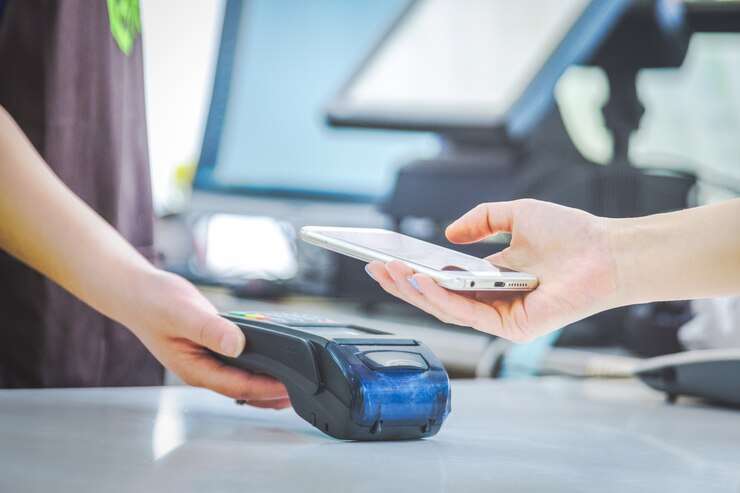
Managing money in Kuala Lumpur is simple and convenient, with a wide range of cashless options alongside traditional cash use. Travellers will find it easy to pay for transport, shopping, dining, and attractions throughout the city.
Category | Details |
|---|---|
🏦 Currency | - Local currency: Malaysian Ringgit (RM / MYR) - Banknotes: RM1, RM5, RM10, RM20, RM50, RM100 - Coins: 5, 10, 20, 50 sen |
💳 Cards & Digital Payments | - Credit/debit cards (Visa, Mastercard, Amex) widely accepted in hotels, malls, restaurants - Popular e-wallets: GrabPay, Touch ’n Go eWallet, Boost - Contactless payments available at most retailers |
💵 Cash Use | - Needed for small vendors, night markets, food stalls, rural areas - ATMs widely available in malls, petrol stations, main streets - Most ATMs accept international cards (fees may apply) |
🚇 Transport Payments | - Touch ’n Go card : essential for MRT, LRT, Monorail, KTM Komuter, RapidKL buses & highway tolls - Purchase & reload at LRT/MRT stations, convenience stores (7-Eleven, KK Mart), petrol stations - RFID tags mainly for locals, not necessary for short-term visitors |
💡 Travel Tips | - Carry small cash for street food, taxis (if not using e-hailing), and markets - Inform your bank before travelling to avoid card issues - Best money changers: Pavilion KL, Mid Valley Megamall, Suria KLCC - Keep smaller denominations for easy use |
For seamless travel, the Touch ’n Go card is highly recommended as it works across most public transport and toll roads. By combining cash for small purchases, cards for shopping, and digital tools for convenience, travellers can enjoy a smooth, hassle-free payment experience throughout Kuala Lumpur.
🔥Book Your Family Holidays Today!
👨👩👦👦 Discover the world with your loved ones and save up to 35% OFF flights, hotels and attractions! Book today and explore more together.

Promotion period: Evergreen till 31 Dec 2025
FAQs Transportation in Kuala Lumpur
What types of public transport are available in Kuala Lumpur?
Kuala Lumpur has an extensive network including MRT, LRT, Monorail, KTM Komuter, and RapidKL buses. These systems connect the city centre with nearby suburbs and attractions.How do I pay for MRT, LRT, Monorail, and KTM Komuter trains?
The most convenient option is the Touch ’n Go card, which works across all major train lines and buses. Single journey tokens are also available.What is the difference between MRT and LRT?
Both are modern, air-conditioned rail services. MRT lines cover newer suburbs and city areas, while LRT lines connect key urban districts and older routes.Are buses useful for tourists?
Yes, RapidKL buses serve suburbs, while the GoKL City Bus offers free rides around major attractions such as KLCC, Bukit Bintang, and Chinatown.Where can I exchange money?
Money changers are widely available. Good spots with competitive rates include Pavilion KL, Mid Valley Megamall, and Suria KLCC.

NO.1