Manila Transportation Guide: How to Get Around Easily

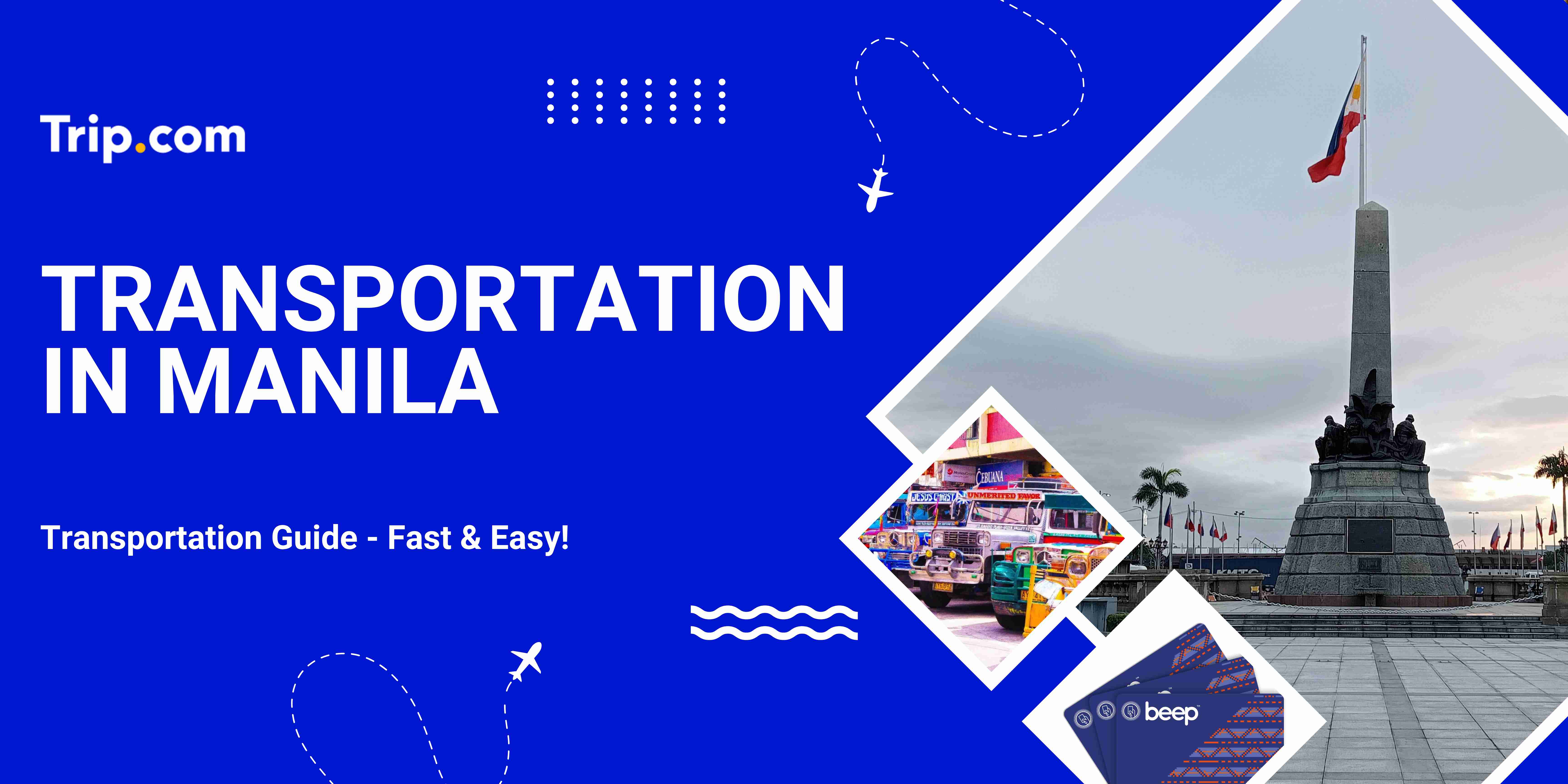
Manila, the dynamic capital of the Philippines, is a city of vibrant contrasts — where historic landmarks stand alongside modern skyscrapers, and bustling streets are filled with a mix of traditional and contemporary transport options. As the country’s political, cultural, and economic hub, Manila offers travellers a fascinating glimpse into urban Filipino life while serving as a gateway to many other destinations across the archipelago. Getting around Manila can be both exciting and challenging due to its size and traffic, but with a variety of transport modes available, travellers can easily find options that suit their budget and comfort. From the iconic jeepneys and efficient train lines to ride-hailing services like Grab, moving around the city has never been more accessible.
Within central areas such as Makati, Bonifacio Global City (BGC), and Intramuros, visitors can explore landmarks, shopping centres, and museums by foot, taxi, or public transit. For longer trips, the Metro Rail Transit (MRT), Light Rail Transit (LRT), and Point-to-Point (P2P) buses provide affordable and reliable connections between key districts. Those looking to travel beyond the city can use provincial buses, private transfers, or domestic flights to reach nearby islands and regions.
Whether you’re exploring historical sites, dining in modern cafés, or experiencing local markets, getting around Manila is a journey in itself, one that blends urban energy with authentic Filipino culture. With a little planning and local know-how, navigating the capital becomes an enjoyable part of the travel experience.
Jeepneys– The Iconic Local Ride

Source: Viator
Jeepneys are the most iconic and affordable way to travel around Manila. These brightly decorated vehicles, originally converted from U.S. military jeeps after World War II, are an enduring symbol of Filipino creativity and community spirit. Today, they remain one of the most popular modes of public transport, serving thousands of commuters every day.
Jeepneys follow fixed routes across Metro Manila, connecting key neighbourhoods, commercial districts, and transport hubs. They are ideal for short trips within the city, allowing travellers to experience local life up close. Each jeepney displays its route on the front or side of the vehicle, making it easy to identify your direction of travel.
Fares for traditional jeepneys start at ₱13 (approximately RM 1.04) for the first 4 kilometres, with small additional charges (around ₱1–2 or RM 0.08–RM 0.16 per extra kilometre) for longer rides. Payments are made in cash, and passengers usually hand their fare directly to the driver or pass it along through other passengers.
Popular Jeepney Routes and Approximate Fares
| Route | Estimated Distance / Time | Fare (₱) | Fare (RM) | Along the Route |
|---|---|---|---|---|
Makati → Pasay (Taft Avenue) | 5 km / 15–20 minutes | ₱14–15 | RM 1.12–RM 1.20 | Connects business area (Makati) to transport hubs and malls in Pasay |
Quiapo → Divisoria (Manila) | 4 km / 15 minutes | ₱13 | RM 1.04 | Passes through local markets and historic downtown Manila |
Cubao → Ortigas (Quezon City to Pasig) | 6 km / 20 minutes | ₱15–16 | RM 1.20–RM 1.28 | Connects major shopping and business districts |
Taft Avenue → Intramuros (Manila) | 3 km / 10 minutes | ₱13 | RM 1.04 | Easy route for tourists visiting Manila’s old walled city |
Makati Avenue → Guadalupe (Makati City) | 2.5 km / 10 minutes | ₱13 | RM 1.04 | Popular short hop within central Makati |
EDSA (Ayala → Buendia) | 3 km / 10 minutes | ₱13 | RM 1.04 | Convenient for quick travel along Makati’s main road |
Exchange rate used: ₱1 ≈ RM 0.08. Actual fares may vary slightly based on route distance and local fare adjustments.
| Category | Details |
|---|---|
Type of Transport | Public minibus-style vehicle (shared ride) |
Operating Routes | Fixed city and suburban routes (e.g., Makati–Pasay, Quiapo–Divisoria, Cubao–Ortigas) |
Operating Hours | 5:00 AM – 10:00 PM (varies by route) |
Fare Range | ₱13–₱20 (≈ RM 1.04–RM 1.60) |
Payment Method | Cash only – pay directly or pass fare to driver |
How to Stop | Say “Para po” (please stop) or tap a coin on the metal bar |
Best For | Short, budget-friendly rides around the city |
Tips for Travellers | Carry small change, avoid rush hours (7–9 AM, 5–8 PM), confirm the route before boarding, and keep belongings secure |
Traveller Tip: If you’re new to Manila, try riding a jeepney between Taft Avenue and Intramuros or Makati and Pasay for a safe and authentic local experience. These routes are straightforward, affordable, and offer a glimpse into the daily rhythm of city life. For longer trips or during heavy traffic, consider using Grab or Point-to-Point (P2P) buses for added comfort.
🔥Fly to the Philippines
Enjoy SEA Travel with weekly promo codes on WednesdaysSave 12% on flights and RM50 on hotels!

Buses in Manila – Comfortable and Convenient City Travel

Source: bus ticket.ph
Buses are one of the most common and convenient ways to travel across Metro Manila, especially for longer distances and routes not covered by the train system. They serve both city routes and provincial routes, connecting key business districts, shopping areas, and nearby cities in Luzon.
There are three main types of buses operating in Manila:
- City Buses – These operate along major roads like EDSA, connecting Quezon City, Makati, and Pasay.
- Point-to-Point (P2P) Buses – These offer direct, non-stop services between major destinations such as airports, malls, and business centres.
- Provincial Buses – These connect Metro Manila to nearby provinces such as Laguna, Cavite, and Pampanga.
Bus travel is affordable, comfortable, and widely accessible. Modern P2P buses are air-conditioned, have Wi-Fi, and offer designated stops — making them ideal for travellers who prefer reliability and comfort. Fares typically range from ₱15–₱50 (about RM 1.20–RM 4.00) for city routes, depending on distance, and can go higher for P2P or provincial trips.
Popular Bus Routes and Fares
| Route | Estimated Distance / Time | Fare (₱) | Fare (RM) | Details |
|---|---|---|---|---|
Makati (Ayala) → Quezon City (Cubao) | 12 km / 40–50 minutes | ₱30 | RM 2.40 | Common EDSA route connecting business hubs |
Pasay (NAIA Airport) → Makati (Ayala) | 8 km / 25–30 minutes | ₱25 | RM 2.00 | Convenient for airport transfers |
Quezon City → Ortigas (Pasig) | 10 km / 30–40 minutes | ₱20–25 | RM 1.60–RM 2.00 | Frequent city route via EDSA |
BGC (Taguig) → Trinoma (Quezon City) | 15 km / 45–60 minutes | ₱50 | RM 4.00 | P2P bus, air-conditioned and comfortable |
Makati → Ninoy Aquino International Airport (NAIA) | 9 km / 25–35 minutes | ₱40–₱50 | RM 3.20–RM 4.00 | P2P bus with luggage storage and direct route |
Manila City (Lawton) → Alabang (Muntinlupa) | 20 km / 50–60 minutes | ₱45 | RM 3.60 | Long route connecting central Manila to the south |
Exchange rate used: ₱1 ≈ RM 0.08. Actual fares may vary slightly based on operator and time of travel.
| Category | Details |
|---|---|
Type of Transport | Public and private buses (city, P2P, provincial) |
Operating Routes | Major roads like EDSA, Ayala Avenue, Ortigas Avenue, and airport routes |
Operating Hours | Usually 5:00 AM – 10:00 PM (some P2P buses run later) |
Fare Range | ₱15–₱50 (≈ RM 1.20–RM 4.00) for city routes |
Payment Method | Cash or reloadable Beep card (on selected buses) |
Comfort Level | Moderate to high – many buses are air-conditioned |
Best For | Travelling between business districts or to/from airports |
Tips for Travellers | Check signboards for bus destinations, use P2P buses for direct travel, and avoid peak hours if possible |
Traveller Tip: If you’re arriving at Ninoy Aquino International Airport (NAIA), the P2P bus to Makati or Ortigas is one of the most efficient and budget-friendly ways to reach the city. For those staying in Makati or BGC, P2P buses provide a comfortable, air-conditioned alternative to taxis — ideal for both tourists and business travellers.
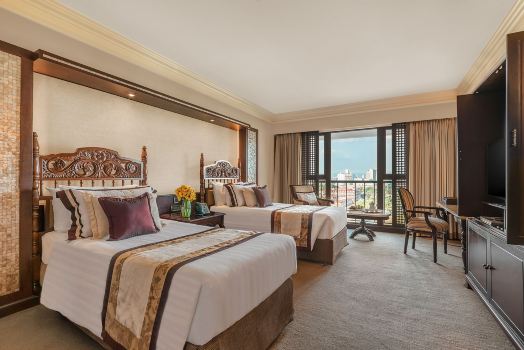
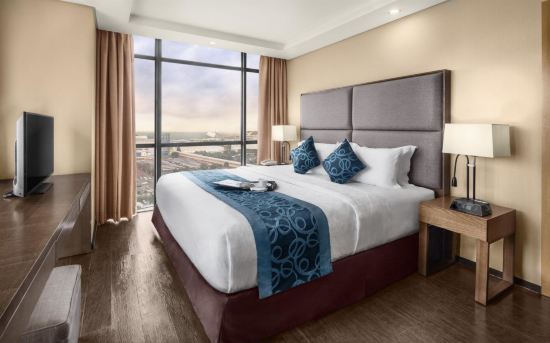
Recommended Hotels in Manila
 NO.1
NO.1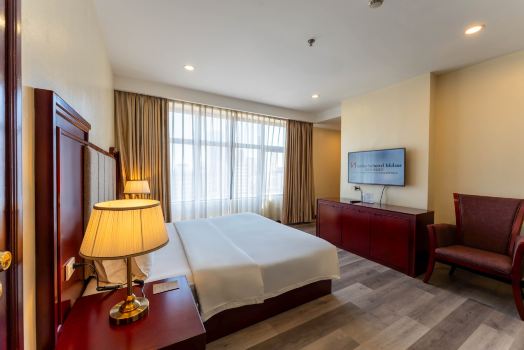

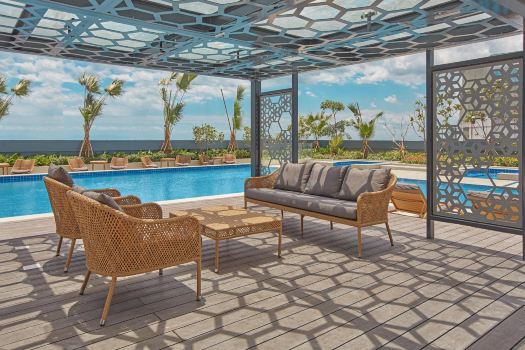
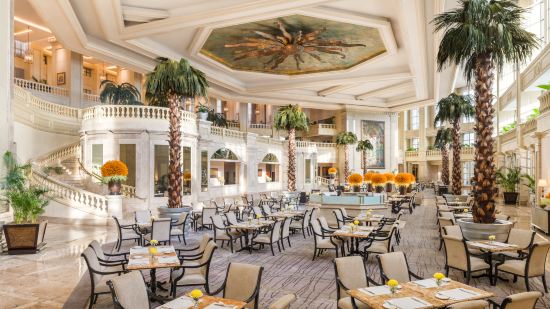
MRT & LRT – Manila’s Train Systems

Source: Vulcan Post
The Metro Rail Transit (MRT) and Light Rail Transit (LRT) systems are among the most efficient and affordable ways to travel around Metro Manila. These elevated train networks help commuters and travellers avoid the city’s heavy road traffic, offering quick connections between major business districts, shopping centres, and tourist attractions.
There are currently three main train lines in operation:
- LRT Line 1 (Yellow Line) – Runs from Baclaran (Pasay) to Roosevelt (Quezon City), passing through Ermita, Intramuros, and other key areas.
- LRT Line 2 (Purple Line) – Connects Recto (Manila) to Antipolo (Rizal), passing through Cubao and Katipunan.
- MRT Line 3 (Blue Line) – Runs along EDSA, linking North Avenue (Quezon City) to Taft Avenue (Pasay), with stops in Ortigas and Makati.
Overview of Manila’s Train Lines

Source; wikimedia
| Train Line | Route Coverage | Number of Stations | Operating Hours | Fare Range (₱ / RM) | Details |
|---|---|---|---|---|---|
LRT-1 (Yellow Line) | Baclaran (Pasay) → Roosevelt (Quezon City) | 20 stations | 5:00 AM – 10:00 PM | ₱15–₱30 / RM 1.20–RM 2.40 | Passes through historic Manila and shopping districts |
LRT-2 (Purple Line) | Recto (Manila) → Antipolo (Rizal) | 13 stations | 5:00 AM – 10:00 PM | ₱15–₱30 / RM 1.20–RM 2.40 | Connects university areas and eastern suburbs |
MRT-3 (Blue Line) | Taft Avenue (Pasay) → North Avenue (Quezon City) | 13 stations | 5:30 AM – 10:30 PM | ₱15–₱35 / RM 1.20–RM 2.80 | Runs along EDSA, linking major business hubs |
These trains are air-conditioned, fast, and affordable, making them ideal for both tourists and daily commuters. However, they can get crowded during rush hours (7:00–9:00 AM and 5:00–8:00 PM), so travellers are encouraged to plan their journeys accordingly.
Popular Train Routes and Fares
| Route | Line | Estimated Time | Fare (₱) | Fare (RM) | Highlights / Remarks |
|---|---|---|---|---|---|
Taft Avenue → Ayala (Makati) | MRT-3 | 10–15 minutes | ₱16 | RM 1.28 | Connects airport area to Makati business district |
Ayala → Cubao (Quezon City) | MRT-3 | 20 minutes | ₱24 | RM 1.92 | Key route for shopping and commercial hubs |
North Avenue → Shaw Boulevard (Mandaluyong) | MRT-3 | 25 minutes | ₱28 | RM 2.24 | Connects Quezon City to Ortigas business area |
Baclaran → UN Avenue (Manila) | LRT-1 | 20 minutes | ₱20 | RM 1.60 | Access to Intramuros, Rizal Park, and museums |
Recto → Cubao (Quezon City) | LRT-2 | 25 minutes | ₱25 | RM 2.00 | Connects university belt to shopping areas |
Cubao → Antipolo (Rizal) | LRT-2 | 30–35 minutes | ₱28 | RM 2.24 | Scenic ride from central Manila to the hills of Antipolo |
Exchange rate used: ₱1 ≈ RM 0.08. Actual fares may vary slightly depending on route distance and fare matrix.
Source: Cash Mart
| Category | Details |
|---|---|
Type of Transport | Elevated metro rail (MRT and LRT) |
Operating Lines | LRT-1 (Green), LRT-2 (Purple), MRT-3 (Blue) |
Operating Hours | 5:00 AM – 10:00 PM (daily) |
Fare Range | ₱13–₱28 (≈ RM 1.04–RM 2.24) |
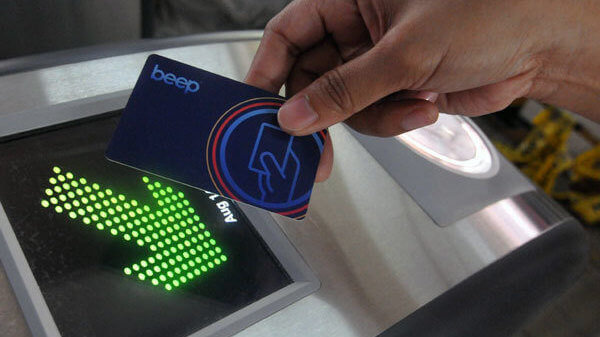
Payment Method | Cash, Single Journey Ticket, or Beep Card (reloadable) |
Travel Speed | Fast and reliable; avoids road traffic |
Accessibility | Escalators and lifts at major stations; announcements in English and Filipino |
Best For | Quick travel between key districts (Makati, Ortigas, Quezon City, Pasay) |
Tips for Travellers | Travel off-peak, prepare small change, use the Beep Card for convenience, and secure belongings in crowded trains |
Traveller Tip: For first-time visitors, the MRT Line 3 is the most useful for navigating between major city areas. You can easily travel from Taft Avenue (near the airport) to Ayala Station (Makati) or Ortigas Station (Pasig) without worrying about traffic.
If you plan to use the train multiple times, purchase a Beep Card, which can also be used on buses and some convenience stores — saving time and reducing the need for small cash payments.
🔥Go Thailand
Thailand 30% OFF Promo Codes Catch the promo codes every Wednesday!

UV Express Vans – Shared and Fast Commutes

Source; Philstar
The UV Express service is one of Manila’s most convenient transport options for medium-distance travel across Metro Manila and nearby provinces. These air-conditioned vans operate on fixed routes and offer a faster, more comfortable alternative to buses and jeepneys. Although they carry multiple passengers, UV Express vans usually take more direct routes with fewer stops, making them ideal for those who value speed and convenience.
You can find UV Express terminals at major transport hubs, shopping malls, and business districts such as Makati, Ortigas, Cubao, and Alabang. They generally operate from 5:00 AM to 10:00 PM, though schedules may vary depending on the route and traffic conditions.
Fares range from ₱40 to ₱100 (≈ RM 3.20–RM 8.00) depending on distance, making UV Express a practical choice for both commuters and travellers.
Popular UV Express Routes and Fares
| Route | Estimated Time | Fare (₱) | Fare (RM) | Details |
|---|---|---|---|---|
Makati → Quezon City (SM North / Trinoma) | 45–60 minutes | ₱60 | RM 4.80 | Direct route connecting central business areas |
Cubao → Alabang (Muntinlupa) | 1–1.5 hours | ₱80 | RM 6.40 | Convenient link between north and south Metro Manila |
Ortigas → Taguig (BGC) | 30–40 minutes | ₱50 | RM 4.00 | Fast option for workers and visitors heading to BGC |
Pasay → Fairview (Quezon City) | 1–1.5 hours | ₱90 | RM 7.20 | Covers long city distances comfortably |
Makati → Antipolo (Rizal) | 1–1.5 hours | ₱100 | RM 8.00 | Scenic suburban route popular with locals and visitors |
Exchange rate used: ₱1 ≈ RM 0.08. Fares may vary slightly depending on route distance and terminal operator.
| Category | Details |
|---|---|
Type of Transport | Shared air-conditioned van (public utility vehicle) |
Operating Hours | 5:00 AM – 10:00 PM |
Fare Range | ₱40–₱100 (≈ RM 3.20–RM 8.00) |
Payment Method | Cash (exact change recommended) |
Major Terminals | Makati, Cubao, Ortigas, Alabang, Pasay |
Travel Speed | Faster than jeepneys and buses; fewer stops |
Best For | Medium to long-distance city travel with minimal transfers |
Comfort Level | Air-conditioned, moderate seating (8–12 passengers) |
Tips for Travellers | Confirm the destination before boarding, keep small change, and travel early to avoid rush-hour delays |
Traveller Tip; UV Express vans are perfect for travellers who want a balance between affordability and comfort. They’re especially convenient for reaching areas that are not directly served by the MRT or LRT lines. However, note that seating is on a first-come, first-served basis, so it’s best to arrive early — particularly during morning and evening rush hours.
Flights from Kuala Lumpur to Manila
- Pergi Balik
- Sehala
 KUL22:0020j 30m1 stopsMNL18:30Kuala Lumpur - Manila|Kha, 29 Okt|Scoot
 MNL23:053j 50mTanpa hentiKUL02:55Manila - Kuala Lumpur|Sab, 31 Okt|AirAsia€ 158€ 19619% offCari19% off€ 196€ 158
- KUL22:0020j 30m1 stopsMNL18:30Kuala Lumpur - Manila|Isn, 26 Okt|ScootMNL23:053j 50mTanpa hentiKUL02:55Manila - Kuala Lumpur|Sab, 31 Okt|AirAsia€ 158€ 19619% offCari19% off€ 196€ 158
- KUL19:1510j 15m1 stopsMNL05:30Kuala Lumpur - Manila|Sab, 24 Okt|ScootMNL23:053j 50mTanpa hentiKUL02:55Manila - Kuala Lumpur|Sel, 27 Okt|AirAsia€ 158€ 19619% offCari19% off€ 196€ 158
- KUL17:1512j 15m1 stopsMNL05:30Kuala Lumpur - Manila|Sel, 27 Okt|ScootMNL23:053j 50mTanpa hentiKUL02:55Manila - Kuala Lumpur|Sab, 31 Okt|AirAsia€ 158Cari€ 158
- KUL19:1523j 15m1 stopsMNL18:30Kuala Lumpur - Manila|Sel, 27 Okt|ScootMNL23:053j 50mTanpa hentiKUL02:55Manila - Kuala Lumpur|Jum, 30 Okt|AirAsia€ 158Cari€ 158
 KUL13:0023j 15mTanpa hentiMNL14:00Kuala Lumpur - Manila|Mon, Sep 6|Normal Airline
 MNL13:0023j 15mTanpa hentiKUL14:00Manila - Kuala Lumpur|Mon, Sep 6|Normal AirlineCari Penerbangan LainCari Penerbangan Lain
Money and Payments in Manila

Source: Wise
Manila offers a balanced mix of traditional and digital payment options, making it easy for travellers to handle transactions whether shopping, dining, or using transport services. While cash remains widely used, especially in smaller establishments and local markets, credit cards and e-wallets are becoming increasingly common in hotels, malls, and restaurants. Travellers are advised to carry a combination of cash and digital payment methods to ensure convenience throughout their stay. The local currency is the Philippine Peso (₱), and for easy reference, ₱1 ≈ RM 0.08. ATMs, money changers, and banks are readily available in major areas such as Makati, Ortigas, Pasay, and Quezon City.
Common Payment Methods in Manila
| Payment Method | Accepted In | Best For Travellers Who… | Notes |
|---|---|---|---|
Cash (₱ – Philippine Peso) | Small shops, tricycle rides, street food stalls, local markets | Prefer reliability everywhere | Always keep small denominations (₱20, ₱50, ₱100) |
Credit / Debit Cards | Hotels, malls, chain restaurants, transport hubs | Want convenience and security | Visa, MasterCard, and JCB widely accepted |
E-Wallets (GCash, Maya, GrabPay) | Convenience stores, cafés, selected transport services | Prefer cashless and mobile payments | Easy to use with local SIM or Grab app |
Bank Transfers / QR Payments | Modern cafés, coworking spaces, and local apps | Stay longer or have local accounts | Requires Philippine bank or e-wallet account |
USD / Foreign Currency Exchange | Money changers, banks, airports | Need to convert cash on arrival | Exchange rates vary; check before changing large amounts |
ATMs and Currency Exchange
- ATMs are available in banks, malls, and airports. Most accept international cards (Visa, MasterCard, Cirrus), but a ₱200–₱250 (≈ RM 16–RM 20) withdrawal fee may apply.
- Money changers often offer better rates than airport counters, especially in Makati, Ortigas, and Ermita.
- Always check exchange rates and count your cash before leaving the counter.
Traveller Tips
💡 1. Keep some small bills – Tricycle drivers, jeepney operators, and small vendors often don’t have change for large notes.
💳 2. Use credit cards for big purchases – Ideal for hotels, malls, and restaurants; safer than carrying large amounts of cash.
📱 3. Try e-wallets if you have a local SIM – Apps like GCash and GrabPay make it easy to pay digitally without handling cash.
💱 4. Exchange money at reputable counters – Avoid street exchangers or unlicensed vendors.
🚫 5. Avoid relying solely on cards – Some small shops and attractions accept cash only.
Manila’s payment landscape is modern yet adaptable blending traditional cash use with growing digital adoption. For a smooth experience, travellers should carry a mix of cash and cards, and consider activating GrabPay or GCash for small, cashless transactions. This approach ensures convenience and safety whether you’re shopping in Makati, riding a jeepney, or buying street food in Binondo.
🔥Up to 20% OFF on New Hotels

FAQs about Transportation in Manila
-
What are the main modes of transportation in Manila?
-
What is the best transport option for travellers?
-
How do I pay for public transport in Manila?
-
What is a Beep card, and where can I use it?
-
How can I ensure safe travel in Manila?