

Shenzhen Transportation Guide for Travellers

Shenzhen is one of China’s most dynamic cities, a vibrant blend of futuristic skyscrapers, cutting-edge technology hubs, colourful shopping streets, and lush green parks. For Malaysian travellers, navigating this bustling metropolis is easier than ever thanks to its world-class public transport network and seamless links to both Hong Kong and Macau. Whether you are landing at Shenzhen Bao’an International Airport, arriving on the high-speed rail from Guangzhou, or crossing the border from Hong Kong, you’ll find plenty of convenient options to match every budget and travel style.
Getting around Shenzhen is a breeze. The efficient metro system, which covers almost every major district, runs from early morning until late at night, while eco-friendly electric buses provide an affordable way to reach neighbourhood attractions that sit off the metro grid. High-speed trains whisk passengers to Guangzhou and other key cities in under an hour, making Shenzhen an ideal base for day trips across the Greater Bay Area. Taxis and ride-hailing apps such as DiDi are readily available, offering comfortable point-to-point travel for those carrying heavy luggage or travelling in groups.
Shenzhen Metro System
Extensive Coverage and Low Fares
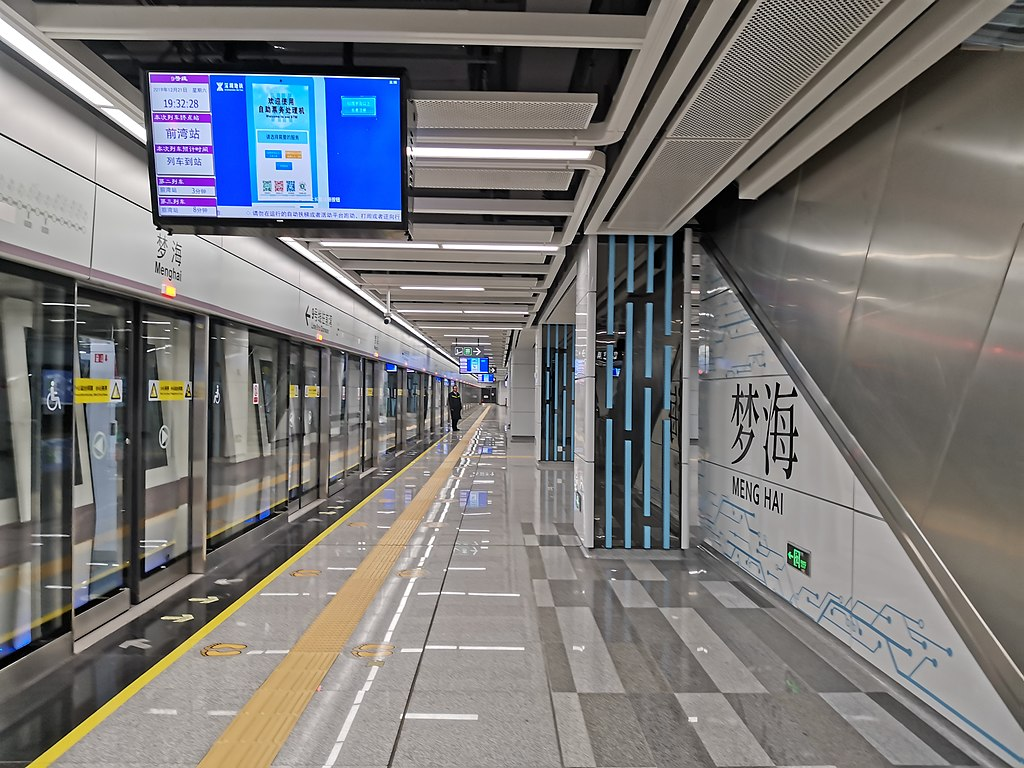
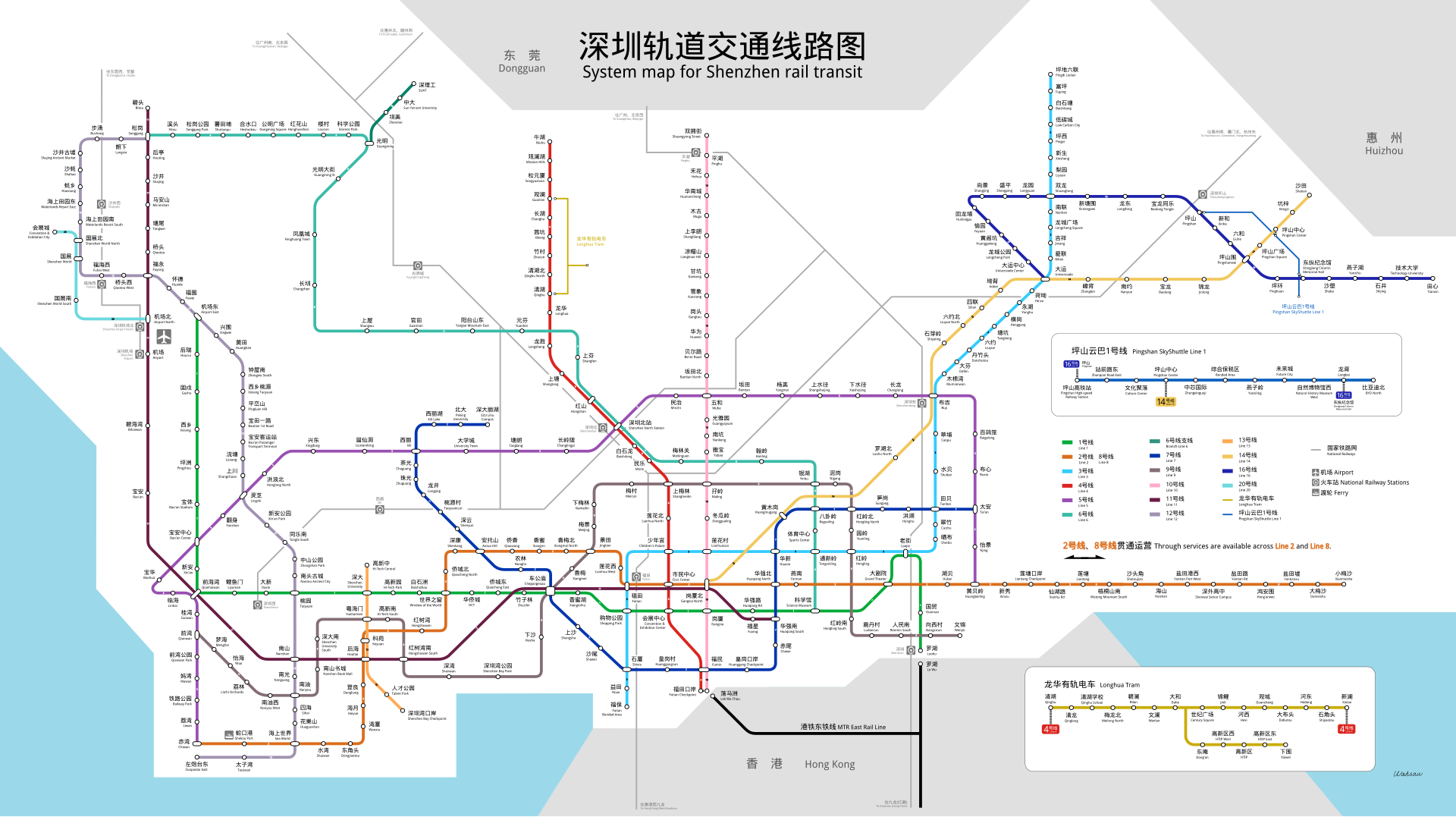
Shenzhen’s metro network is one of the most modern in China, spanning more than a dozen lines that reach nearly every major district. Trains run from early morning until late at night, and fares are very affordable, making it an excellent choice for Malaysian visitors exploring the city. All stations feature bilingual signage in Chinese and English, so navigating the system is straightforward even for first-time travellers.
| Metro Line | Main Attractions & Areas | Travel Highlights | Tips for Travellers |
|---|---|---|---|
Line 1 – Luobao Line (Green) | • Window of the World theme park • Splendid China Folk Village cultural park • Luohu District for shopping at Luohu Commercial City and Dongmen Market | Connects Shenzhen’s west (Airport East) to Luohu in the east, making it ideal for sightseeing and shopping. | Runs through major tourist zones and shopping hubs. Board early during weekends to avoid crowds. Great for a full day of attractions in one trip. |
Line 2 – Shekou Line (Orange) | • Sea World entertainment and dining area • Shekou Ferry Terminal with ferries to Hong Kong and Macau • Coastal parks and waterfront promenades | Links key leisure destinations along Shenzhen Bay, offering a relaxed seaside vibe. | Perfect for travellers planning cross-border ferry trips. Check ferry schedules in advance and allow extra time for immigration procedures. |
Line 3 – Longgang Line (Blue) | • Dongmen Old Street for traditional shopping and street food • Mission Hills golf resort area | Extends to Shenzhen’s northeast, great for those seeking local markets or a quieter suburban experience. | Less crowded during weekdays; useful for a half-day trip away from the busy city centre. |
Line 11 – Airport Express Line (Purple) | • Shenzhen Bao’an International Airport • Direct access to Futian CBD and Qianhai business district | High-speed service connecting the airport to central Shenzhen in around 30–40 minutes. | Ideal for airport transfers or travellers with tight schedules. Runs slightly faster and less crowded than other lines during peak hours. |
Tickets, Smart Cards, and Mobile Payments
Malaysian travellers can purchase single-journey tickets at station vending machines or save time by using a Shenzhen Tong smart card for unlimited rides during their stay. For added convenience, mobile payment is widely accepted: Alipay and WeChat Pay now allow many Malaysian debit and credit cards to be linked, enabling quick QR-code ticket purchases without carrying cash.
🔥Up to 20% OFF on New Hotels

High-Speed Rail (HSR) Connections

Source: The Nanyan Observer
Shenzhen is one of the key hubs on China’s world-class high-speed rail network, making it easy for Malaysian visitors to explore neighbouring cities or plan quick day trips across the Greater Bay Area. Trains reach speeds of up to 350 km/h, offering a comfortable and time-efficient alternative to domestic flights.
Popular Day-Trip Destinations
- Guangzhou: Just 30–40 minutes from Shenzhen North or Futian Station, perfect for shopping on Beijing Road or enjoying Cantonese cuisine.
- Dongguan: Around 20 minutes away, known for cultural parks and traditional tea houses.
- Foshan: About 1 hour, ideal for exploring historic temples and ceramic markets.
- Changsha and Beyond: Longer but still manageable journeys (approx. 3 hours) for travellers seeking a deeper look at central China.
Booking Tickets
- 12306 Official App/Website: China’s official railway platform, now offering an English interface. Create an account with your Malaysian passport details and book seats up to 15 days in advance.
- Ctrip/Trip.com: A user-friendly option in English that accepts international credit cards, useful if you prefer a simpler booking process or need flexible cancellation policies.
Collecting Tickets with a Malaysian Passport
E-tickets are the norm, but Malaysian travellers must present their passport at the ticket counter or automated machine for verification before boarding. It’s best to arrive at the station 30–45 minutes early, especially during peak travel seasons, to allow time for security checks and passport scanning.
Travel Tips
- Choose First Class or Business Class seats for extra comfort on longer journeys.
- Stations such as Shenzhen North and Futian are directly connected to the metro, making transfers easy.
- Keep a digital copy of your booking confirmation on your phone for smoother check-in.
Flights from Kuala Lumpur to Shenzhen
- Sehala
- Pergi Balik
- direct cheapest
 KUL21:554j 15mTanpa hentiSZX02:10Kuala Lumpur - Shenzhen|Sel, 10 Nov|AirAsiaPHP 6,160PHP 11,61247% offCari47% offPHP 11,612PHP 6,160
 - KUL21:554j 15mTanpa hentiSZX02:10Kuala Lumpur - Shenzhen|Kha, 12 Nov|AirAsiaPHP 6,303PHP 11,61246% offCari46% offPHP 11,612PHP 6,303
- KUL21:554j 15mTanpa hentiSZX02:10Kuala Lumpur - Shenzhen|Rab, 4 Nov|AirAsiaPHP 8,128PHP 11,61230% offCari30% offPHP 11,612PHP 8,128
 KUL13:004j 15mTanpa hentiSZX14:00Kuala Lumpur - Shenzhen|Mon, Sep 6|Normal AirlineCari Penerbangan LainCari Penerbangan Lain
Taxis and Ride-Hailing
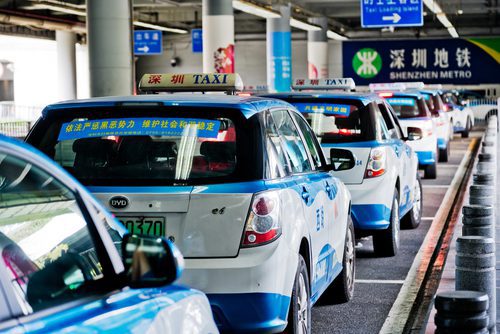
Getting around Shenzhen by taxi or ride-hailing service is straightforward and convenient, especially for visitors arriving late at night or travelling with heavy luggage. Here’s what travellers should know:
Availability and Ease of Use
Metered taxis are plentiful across the city and can be flagged down at the airport, major shopping streets, hotels, and metro stations. For app-based services, DiDi—often referred to as “China’s Grab” is the most popular platform and operates 24/7.
Fares and Payment
Typical daytime fares start at around RMB 13 (around RM 6-7) for the first 2 km, with an additional RMB 2.6–3 per kilometre depending on the district. Trips from Shenzhen Bao’an International Airport to central areas such as Futian or Luohu usually cost between RMB 120–180(around RM 70-106), depending on distance and traffic. Expect a 20% peak-hour surcharge during morning and evening rush hours, as well as higher rates after 11 p.m.
Ride-Hailing with DiDi
Download the DiDi app and select the English interface before you travel. The app allows you to choose vehicle types such as standard, premium, or larger cars for families and to see upfront pricing. Malaysian visitors can now link many international credit or debit cards to DiDi, or connect the app to Alipay or WeChat Pay for smooth, cashless transactions.
Travel Tips
- Keep your hotel address in Chinese characters handy to show drivers, as not all taxi drivers speak English.
- During peak travel seasons or rainy weather, book via DiDi a little earlier to avoid delays.
- Always check that the meter is running if you take a street taxi, and request an e-receipt through the app or from the driver for expense tracking.
🔥Explore Cultural Tourism in HENGQIN
Get travel deals to Hengqin!.

Public Buses and E-Buses

Source: Shenzhen Shopper
Shenzhen operates one of the world’s largest fleets of all-electric buses, making it an eco-friendly and cost-effective way to explore areas beyond the metro network. For Malaysian visitors who enjoy a slower, more scenic journey, buses can be a practical option to reach neighbourhoods and attractions that the metro doesn’t cover.
Wide City Coverage
More than 900 routes crisscross the city, reaching suburban districts and coastal areas such as the Dapeng Peninsula, Wutong Mountain, and smaller local markets. These destinations are perfect for travellers seeking nature hikes, beaches, or cultural villages that lie outside the main tourist corridors.
Modern, Comfortable Fleet
Shenzhen’s buses are fully electric, quiet, and air-conditioned, with clear route numbers and electronic displays in both Chinese and English. Most operate from early morning until around 11 p.m., offering frequent departures even in less central areas.
Easy Cashless Payment
The entire system is cashless, which is especially convenient for Malaysian travellers. Simply tap a Shenzhen Tong smart card or scan a QR code using Alipay or WeChat Pay. Both apps now accept many Malaysian debit and credit cards, allowing visitors to pay directly without carrying RMB.
Travel Tips:
- Check real-time schedules and route maps on the Shenzhen Bus or Baidu Maps apps, both of which have English versions.
- Keep small change as a backup in case of technical issues, although most buses no longer accept cash.
- For long journeys to coastal areas, board earlier in the day to secure a seat and avoid evening traffic.
Top Things to do in Shenzhen
 2097 ditempah
![[Dermaga SkyPier Lapangan Terbang Hong Kong-Pelabuhan Shekou Shenzhen] Tiket kapal sehala terus laju ke Pelabuhan Shekou Shenzhen](https://ak-d.tripcdn.com/images/0351d12000rzaqxnv8C60_C_568_320.jpg)

![[Kapal Persiaran Greater Bay Area Shekou Shenzhen] Pelayaran laut Jambatan Hong Kong-Zhuhai-Macau pergi-balik 3 jam · Tiada permit diperlukan](https://ak-d.tripcdn.com/images/0356g12000o4qlndu5755_C_568_320.jpg)
Bike-Sharing and E-Scooters

Source: Dreamstime
Shenzhen is a bicycle-friendly city with wide, well-marked cycling lanes and scenic waterfront routes, making bike-sharing and e-scooters a fun and eco-friendly way to explore. For Malaysian visitors, these services provide a flexible option for short trips between metro stations, leisurely rides along Shenzhen Bay, or quick errands around neighbourhoods.
Popular Bike-Sharing Services
Major operators such as Meituan Bike and Hello Bike have replaced older brands like Ofo and are easy to spot in bright colours near metro exits, parks, and shopping districts. Bikes can be rented 24/7 and returned at any authorised docking area, so you can start and end your ride almost anywhere.
How to Unlock and Pay
Malaysian travellers can unlock bikes using the Meituan or Alipay apps:
- Download the app and select the international/English interface.
- Register with a valid foreign mobile number (a Malaysian number works) and add a credit or debit card for payment.
- Scan the QR code on the bike to begin your ride; charges are typically around RMB 1–2 per 30 minutes.
E-Scooters and Shared E-Bikes
Some districts also offer shared e-bikes and low-speed e-scooters, which are ideal for slightly longer distances. These use the same apps and payment methods as regular bikes but may require a quick ID verification with your passport details.
Safety and Local Regulations
- Helmet Use: While not always mandatory, wearing a helmet is strongly recommended for both bikes and e-scooters.
- Dedicated Lanes: Stick to marked cycle paths and avoid major motor vehicle roads.
- Parking Rules: Return bikes to designated zones shown on the app to avoid extra fees.
- Traffic Etiquette: Follow traffic lights and yield to pedestrians at crosswalks.
Travel Tip:
Bring a small backpack for personal items and a reusable water bottle, as many bike routes like the Shenzhen Bay Coastal Promenade are perfect for leisurely sightseeing.
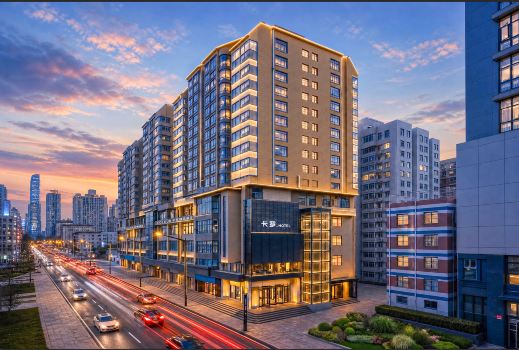
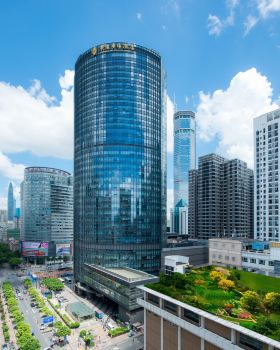
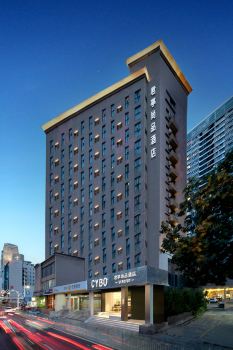
Recommended Hotels in Shenzhen

Payment Options
Source: Now Shenzhen
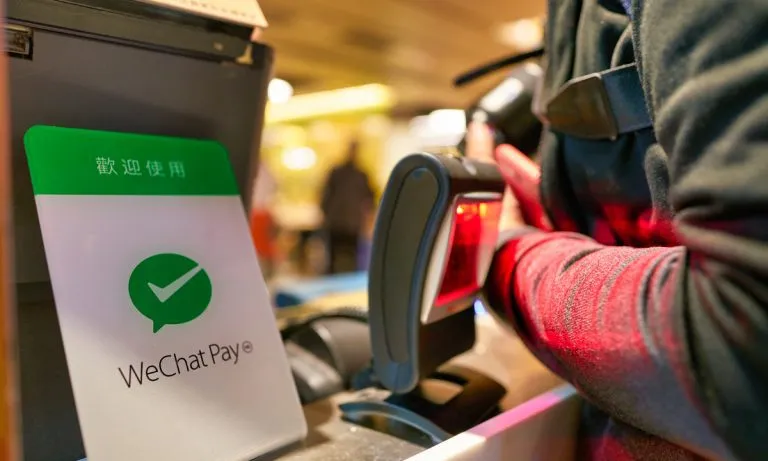
Shenzhen is one of the most cashless cities in the world, and nearly every form of transportation—from the metro and public buses to taxis, high-speed trains, bike-sharing, and ride-hailing apps—relies on digital payments. For Malaysian visitors, setting up a mobile wallet before or immediately upon arrival will make every journey smoother and faster.
1. Alipay International Version
- Easy Setup: Download the Alipay app, choose the English interface, and register with your Malaysian mobile number.
- Linking a Card: Add a Malaysian debit or credit card (Visa or Mastercard) and verify your identity. Once set up, you can pay instantly by scanning the merchant’s QR code, which works across metro gates, buses, taxis, and even small food stalls.
- Benefits: No need to pre-load funds; charges go directly to your Malaysian card in RMB with transparent exchange rates.
2. WeChat Pay (Weixin Pay)
- Registration: Install WeChat, verify with your Malaysian passport, and add an international debit or credit card.
- Usage: WeChat Pay is widely accepted for metro tickets, high-speed rail bookings, and DiDi ride-hailing.
- Tip: WeChat is also a popular messaging platform in China, so having the app doubles as a communication tool with local drivers or hosts.
3. Alipay Tour Pass
- Short-Stay Friendly: Ideal for travellers on a quick visit who prefer not to link a personal bank account.
- How It Works: Load a set amount of RMB (for example, ¥500) from your Malaysian bank card into a temporary digital wallet valid for 90 days. Perfect for first-time visitors who want a simple, prepaid option.
Practical Tips for Travellers
- Activate Overseas Transactions: Before departing Malaysia, inform your bank and enable international usage on your debit or credit card to avoid payment issues.
- Carry a Small Cash Reserve: Although Shenzhen is nearly cashless, keeping about RMB 50–100 can be useful for unexpected situations, such as rural bus routes or power outages.
- Stay Charged: Your phone is your wallet. Carry a portable power bank to ensure you can always pay, especially on long sightseeing days.
- Check Exchange Rates: Both Alipay and WeChat provide competitive rates, but it’s wise to confirm fees with your bank if using a credit card.
🔥Go China
Exclusive China mainland travel discount! Every Tuesday 50% OFF Promo Code

❓ FAQs Shenzhen Transportation
-
What is the most convenient way to pay for transport in Shenzhen?
-
How do I travel from Shenzhen Bao’an International Airport to the city centre?
-
Can I use high-speed trains for day trips from Shenzhen?
-
Are taxis and ride-hailing apps reliable in Shenzhen?
-
Is Shenzhen’s transport safe for solo travellers or families with children?