

China Payment Methods: How to Pay Online in China for Foreigner


Traveling to China soon? One of the first things you’ll notice is how cashless the country has become. Whether you’re buying dumplings at a street stall or tickets to the Great Wall, mobile payments are the norm. But don’t worry—even as a tourist, it’s easy to get started.
Navigating China's payment landscape is essential for a seamless travel experience. Mobile payments dominate, with Alipay and WeChat Pay leading the way. This guide will help you understand and set up these payment methods, along with alternatives like cash and bank cards, ensuring you're well-prepared for your journey.
Mobile Payments: The Preferred Choice
In China, QR codes rule everything. Locals scan QR codes for food, transportation, shopping—even tips and donations. Carrying cash or cards? It’s possible, but not always practical. The easiest way to blend in and make your trip smoother is to set up Alipay or WeChat Pay.
Alipay

Developed by Alibaba, Alipay offers a comprehensive payment solution. Here's how to set it up:
1. Download the App: Available on both iOS and Android platforms.
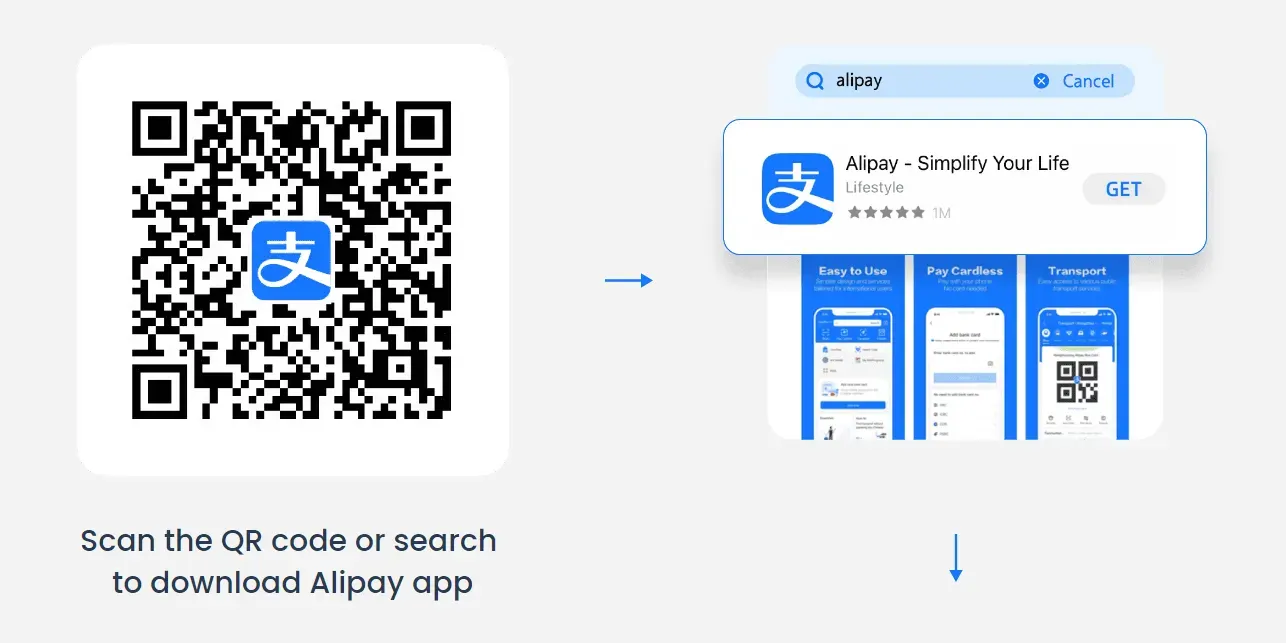
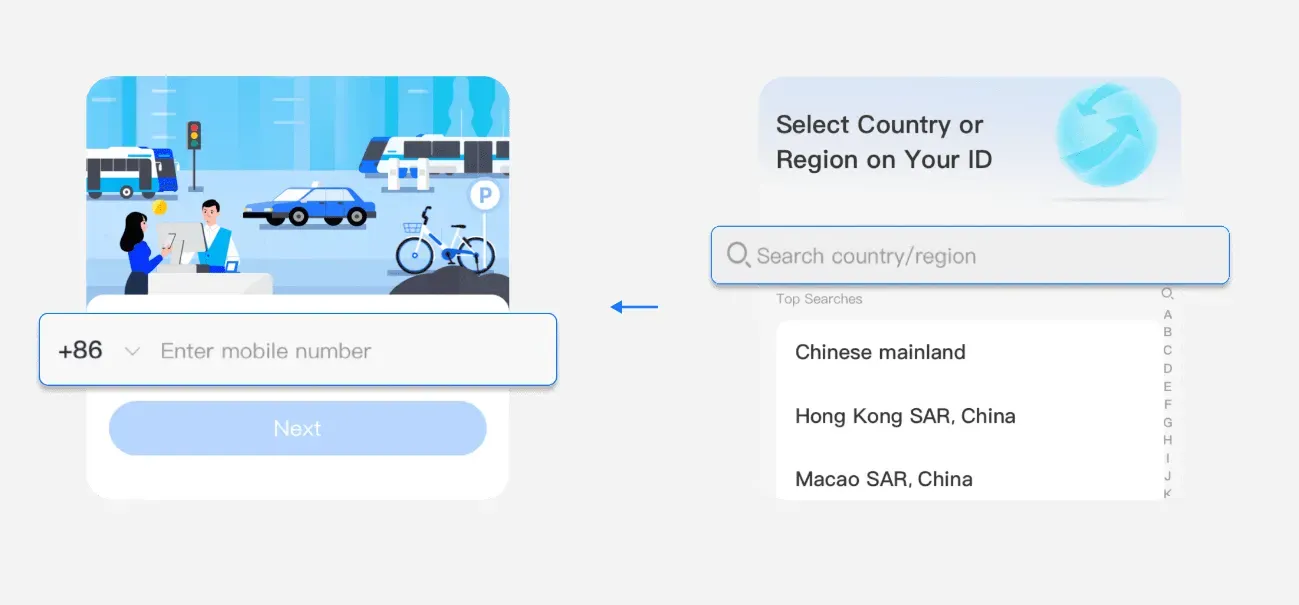
2. Register: Sign up using your mobile number. Opt for the international version during registration.
3. Link Your Bank Card: Alipay accepts international credit cards, including Visa, Mastercard, JCB, Diners Club, and Discover.
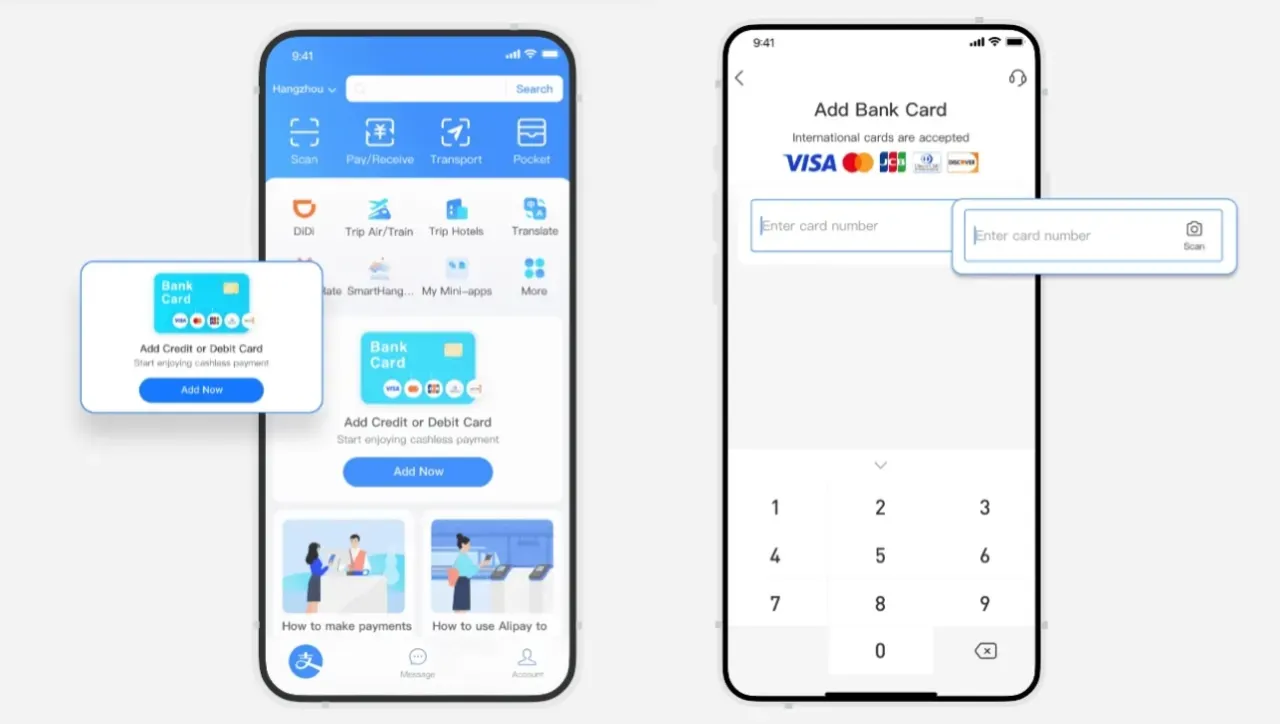
4. Verification: Follow the in-app instructions to complete identity verification.
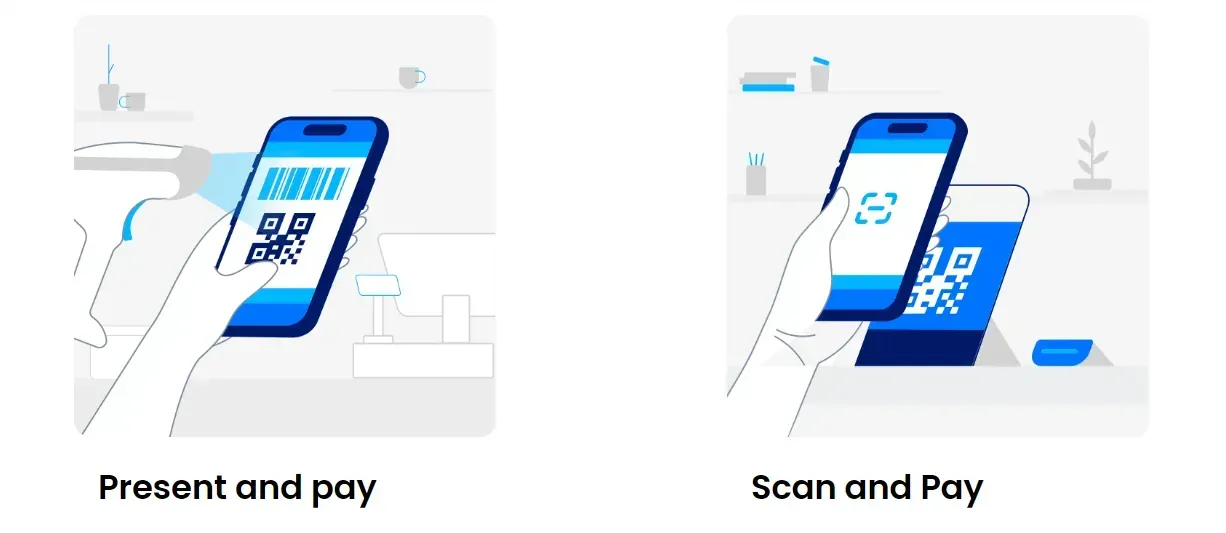
5.Start Paying: Use the app to scan merchants' QR codes or present your own for scanning.
WeChat Pay

Integrated within the WeChat app by Tencent, WeChat Pay combines social communication with financial transactions:
1. Download WeChat: Available on iOS and Android.
2. Sign Up: Register with your mobile number.
3. Access Wallet: Navigate to the "Me" section and select "Wallet."
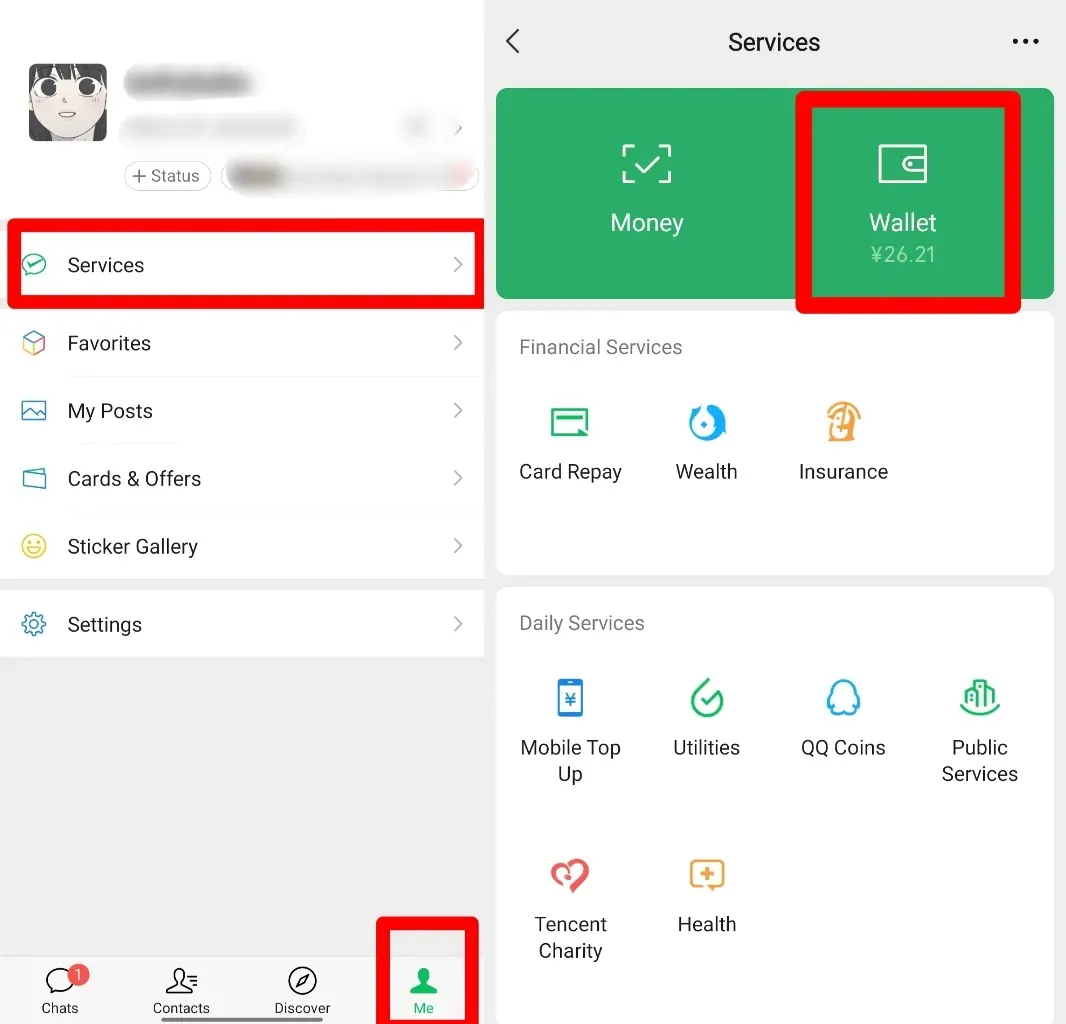
4. Add Bank Card: Input your international credit card details.
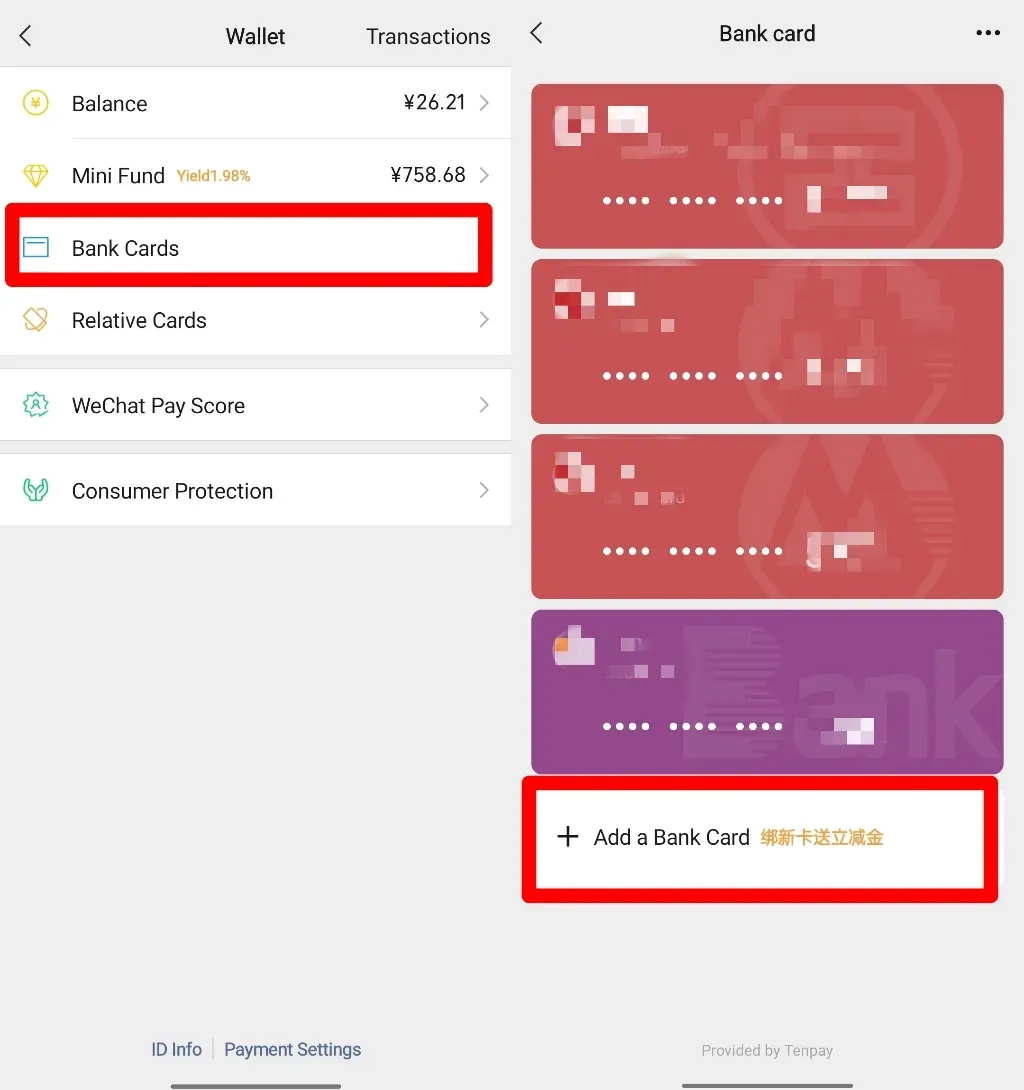
5. Verify Identity: Complete the required verification steps.
6. Make Payments: Scan merchants' QR codes or display your payment code for scanning.
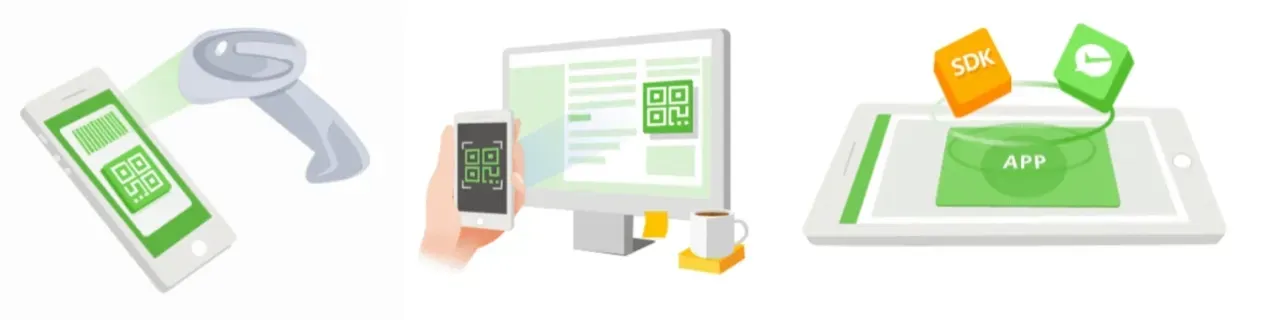
Note: Transaction fees are waived for single transactions under RMB 200. A 3% transaction fee applies to amounts exceeding this limit.
🎡Popular Local Attractions & Cheap Tickets
Latest Trip.com Promo Code, Coupons, Flight Deals & Hotel Discounts for Malaysia
🎁Best Flight Deals on Trip.com
Latest Trip.com Flight Deals & Promotions for Malaysia
Using QR Codes for Payments
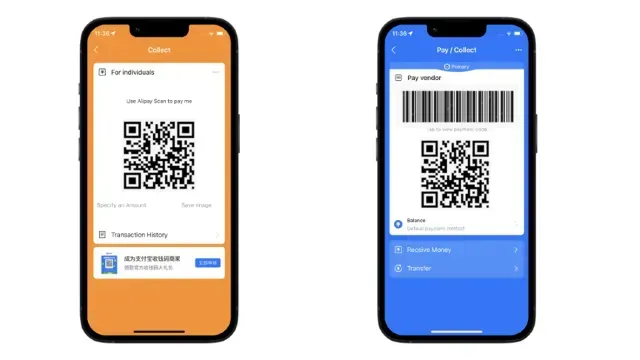
QR codes are central to mobile payments in China:
- Scan to Pay: Open your payment app, select the scan function, and scan the merchant's QR code. Enter the amount and confirm.
- Show to Pay: Access your payment code within the app and let the merchant scan it to complete the transaction.
Flight to China
- Pergi Balik
- Sehala
- direct cheapest
 KUL17:555j 20mTanpa hentiPVG23:15Kuala Lumpur - Shanghai|Kha, 29 Okt|Spring AirlinesPVG11:005j 55mTanpa hentiKUL16:55Shanghai - Kuala Lumpur|Kha, 5 Nov|Spring Airlines€ 150€ 24439% offCari39% off€ 244€ 150
 - KUL17:555j 20mTanpa hentiPVG23:15Kuala Lumpur - Shanghai|Jum, 30 Okt|Spring AirlinesPVG11:005j 55mTanpa hentiKUL16:55Shanghai - Kuala Lumpur|Kha, 5 Nov|Spring Airlines€ 169€ 24431% offCari31% off€ 244€ 169
- KUL17:555j 20mTanpa hentiPVG23:15Kuala Lumpur - Shanghai|Kha, 29 Okt|Spring Airlines
 SHA13:2510j 30mTanpa hentiKUL23:55Shanghai - Kuala Lumpur|Sel, 3 Nov|China Eastern Airlines€ 173€ 24428% offCari28% off€ 244€ 173
  KUL13:005j 20mTanpa hentiSHA14:00Kuala Lumpur - Shanghai|Mon, Sep 6|Normal Airline
 SHA13:005j 20mTanpa hentiKUL14:00Shanghai - Kuala Lumpur|Mon, Sep 6|Normal AirlineCari Penerbangan LainCari Penerbangan Lain
UnionPay: China’s Local Bank Card Network
UnionPay is China’s domestic card system and is widely accepted—but not all foreign cards are compatible.
If you have a UnionPay card:
- You can use it nearly everywhere in China, online and offline.
- Some ATMs and merchants accept dual-logo cards (e.g., UnionPay + Visa).
💡 Tip: If your bank offers a UnionPay card, bring it—it’ll work better than most international cards.
Can I Use Foreign Credit Cards in China?
🥳Yes—but with limitations.
Where they’re accepted:
- Major hotels (Hilton, Marriott, etc.)
- Upscale restaurants
- International airport stores
- High-end shopping malls
Where they’re not accepted:
- Small shops
- Street food stalls
- Local attractions and public transport
💡 Tip: Always carry a small amount of RMB cash in case your card isn’t accepted.
Flight to China
- Pergi Balik
- Sehala
 KUL14:4519j 55mTanpa hentiPKX10:40Kuala Lumpur - Beijing|Isn, 26 Okt|China Southern AirlinesPKX18:0019j 40mTanpa hentiKUL13:40Beijing - Kuala Lumpur|Ahd, 1 Nov|China Southern Airlines€ 200€ 28228% offCari28% off€ 282€ 200
- KUL14:4523j 55mTanpa hentiPKX14:40Kuala Lumpur - Beijing|Sab, 31 Okt|China Southern AirlinesPKX20:0017j 40mTanpa hentiKUL13:40Beijing - Kuala Lumpur|Jum, 6 Nov|China Southern Airlines€ 200€ 28228% offCari28% off€ 282€ 200
- KUL14:4519j 55mTanpa hentiPKX10:40Kuala Lumpur - Beijing|Sel, 27 Okt|China Southern AirlinesPKX20:0017j 40mTanpa hentiKUL13:40Beijing - Kuala Lumpur|Isn, 2 Nov|China Southern Airlines€ 200€ 28228% offCari28% off€ 282€ 200
 KUL13:0019j 55mTanpa hentiBJS14:00Kuala Lumpur - Beijing|Mon, Sep 6|Normal AirlineBJS13:0019j 55mTanpa hentiKUL14:00Beijing - Kuala Lumpur|Mon, Sep 6|Normal AirlineCari Penerbangan LainCari Penerbangan Lain
Can I Still Use Cash in China?
Yes, but it’s becoming rarer.
- Big cities prefer mobile payments.
- Cash is still useful in rural areas or at small family-run businesses.
- ATMs that accept foreign cards are available in airports, tourist areas, and at large banks (like Bank of China or ICBC).
💡 Tip: Get your cash from a bank ATM to avoid high withdrawal fees. Avoid currency exchange booths unless absolutely necessary.



Alternative Payment Methods
While mobile payments are prevalent, other options include:
Bank Cards
China's domestic card network, UnionPay, is widely accepted. However, foreign-issued UnionPay cards may face limited acceptance. Major hotels and upscale establishments might accept international cards like Visa and Mastercard, but it's not guaranteed.
Cash
Cash remains usable, especially in rural areas. It's advisable to carry some RMB for emergencies or places that don't accept digital payments. ATMs are available for cash withdrawals using international cards.
What’s the Best Way to Pay for Public Transport?
In major cities like Beijing, Shanghai, Guangzhou, and Chengdu:
- Use Alipay or WeChat Pay to scan QR codes at metro gates or bus terminals.
- Or download local metro apps (many have English versions).
- Some cities accept NFC transit cards that you can top up via WeChat.
💡 Tip: Skip buying paper tickets—they’re slow and rarely used by locals.



Final Tips for Paying in China

Source from alipayplus.com
- 🔋 Always keep your phone charged—mobile payments need internet and battery.
- 📶 Get a China eSIM or local SIM card for smooth app use.
- 📍 Scan before you pay—make sure it’s the correct vendor's QR code.
- 🧾 Don’t worry about receipts—most transactions are recorded instantly in your app.
By familiarizing yourself with these payment options, you'll navigate China's cashless society with ease, ensuring a hassle-free and enjoyable experience. Now You’re Ready! Whether you're buying bubble tea in Chengdu, a souvenir in Lijiang, or train tickets in Shanghai, knowing how to pay in China will make your trip easier, faster, and more fun.
📲 Ready to explore China? Don’t forget to download Alipay or WeChat Pay before you go!
you may also like
FAQs about China Payment Methods
-
💡 Can foreigners use Alipay and WeChat Pay in China?
-
📲 How do I set up mobile payment apps in China?
-
💳 What cards are accepted in China?
-
💵 Can I use cash in China, or is it fully cashless?
-
🔐 Is it safe to link my foreign credit card to Chinese apps?
-
🚇 What’s the easiest way to pay for public transport in China?
-
💱 Where can I exchange foreign currency to RMB?
-
🏦 Are UnionPay cards the same as Visa or Mastercard?
-
🍎 Can I use Apple Pay or Google Pay in China?
-
💁 Is tipping expected in China—and how should I tip if I want to?