

Cheap Train Tickets in China

Travelling by train is one of the most convenient and scenic ways for Malaysians to explore China, but securing cheap train tickets requires good timing and smart planning. The best approach is to book early and aim for mid-week travel. Tuesdays and Wednesdays are usually less busy, so you will find more available seats and a higher chance of lower fares compared with weekends or public holidays.
To keep costs down, choose off-peak periods whenever possible. Avoid major travel seasons such as Chinese Golden Week (1–7 October), Lunar New Year, and heavy commuter times like Friday evenings or Monday mornings. Unlike budget airlines, train fares in China rarely drop at the last minute—prices tend to stay fixed or even rise as trains fill. Buying early and targeting mid-week departures gives Malaysian travellers the best balance of price, seat availability, and a smooth booking experience.
Best Time to Buy Train Tickets
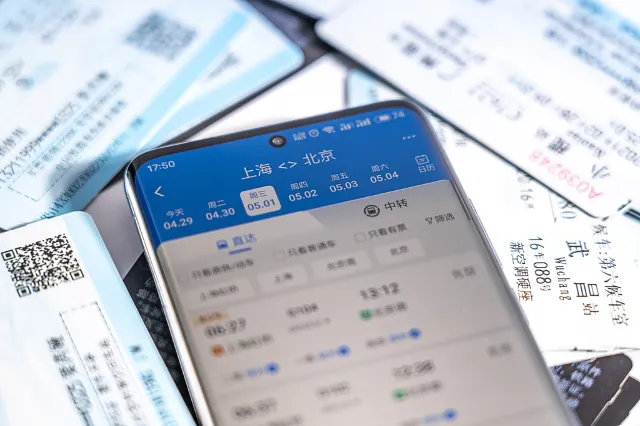
For Malaysians planning to explore China by rail, the best way to save is to book early and travel mid-week. Tuesdays and Wednesdays are usually less crowded, offering more seat choices and a better chance of lower fares. Whenever possible, plan your journey for off-peak periods—avoid Chinese Golden Week (1–7 October), Lunar New Year, and busy commuter times such as Friday evenings or Monday mornings.
Unlike budget airlines, train fares in China rarely drop at the last minute. Prices typically stay the same or increase as trains fill, so delaying your purchase can mean higher costs or limited seat availability. By purchasing tickets early and targeting mid-week departures, Malaysian travellers can secure the best combination of price, comfort, and convenience for every trip across China. Tickets typically go on sale about 15 days in advance. Popular routes during peak seasons like Lunar New Year or Golden Week (1–7 October) likely sell out quickly. Booking as soon as the window opens gives you the best chance to secure low fares and your preferred departure time.By booking early on trusted platforms and staying alert for hidden charges, travellers can enjoy reliable, budget-friendly rail journeys across China with confidence and ease.


Trusted Platforms to Buy Train Tickets
Finding affordable train tickets in China is simple when you use the right platforms and stay alert for hidden costs. So, it's important to book through trusted platforms and choose reputable websites or apps to ensure safe and smooth transactions.
| Platform | Advantages | Details | Best For |
|---|---|---|---|
• Full English interface for easier navigation. • Accepts Malaysian debit and credit cards, including Visa and Mastercard. • Instant e-tickets with a QR code sent to your email and app • 24/7 customer support in English via chat or phone. • Option to change or cancel tickets directly in the app with clear refund policies. | • Slightly higher prices than the official site due to small service fees. • Some promotions may have limited validity—read terms carefully. |
| |
China Railway 12306 Website or App | • Official Chinese railway booking system with the lowest direct prices (no third-party mark-ups). • Access to the full train schedule and all ticket types, including sleeper classes.• Recent updates include an English-language option on the app for easier use. | • Registration requiredwith passport details. • Full verification may need a Chinese mobile number for SMS codes. • Payments typically require Alipay or WeChat Pay, which may be tricky without a Chinese bank account. | Budget-conscious travellers comfortable with a slightly more complex setup and those who already have or can borrow a Chinese mobile number and local e-wallet for payment. |
Avoid Scams and Hidden Mark-Ups
Use only recognised platforms to prevent issues such as inflated prices or fraudulent tickets. Be cautious of unofficial agents or websites offering “special deals” that seem too good to be true. By relying on trusted platforms and avoiding questionable sources, travellers can confidently secure cheap, reliable train tickets across China while enjoying a smooth and worry-free booking experience.
Trains Type in China
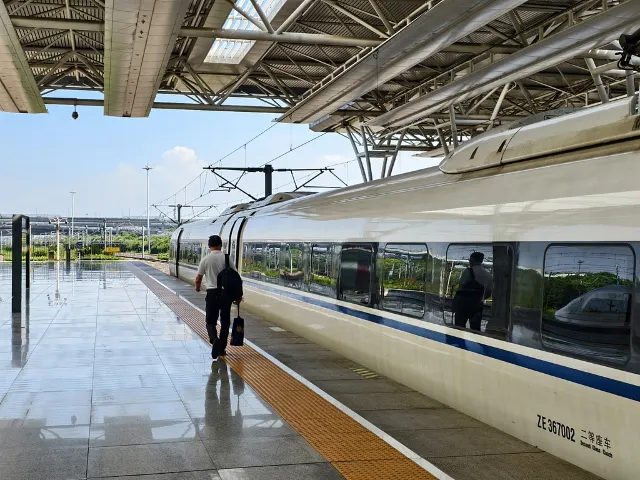
China operates one of the world’s most extensive rail networks, ranging from ultra-fast high-speed services to budget-friendly conventional trains.For Malaysian travellers, understanding these categories makes it easier to balance travel time, comfort, and cost when exploring the country’s vast regions.
| Train Category | Speed & Route | Best For | Details |
|---|---|---|---|
G Trains (Gaotie) | Up to 350 km/h on dedicated high-speed lines between major cities such as Beijing–Shanghai or Guangzhou–Shenzhen | Travellers who need the fastest journey and modern facilities | Punctual, air-conditioned, quiet; slightly higher fares |
D Trains (Dongche) | Around 200–250 km/h, often medium- or long-distance, sometimes overnight | Those wanting comfort with moderate speed and optional night travel | Good balance of price and speed |
C Trains (Chengji) | Similar speed to D trains, mainly short intercity routes such as Beijing–Tianjin | Quick day trips between nearby cities | Frequent departures throughout the day |
Z Trains (Zhida – Direct Express) | Fastest of the conventional network; limited stops | Budget travellers who prefer overnight options | Reliable for long distances at a lower cost |
T Trains (Tekuai – Express) | Fewer stops than K trains but slower than Z | Travellers who value low fares with a reasonable journey time | Comfortable for overnight rides |
K Trains (Kuai – Fast) | Slower and older; many stops | Cheapest long-distance travel and those who wish to save on hotels | Basic facilities; longer travel time |
travellers should balance cost and travel time by considering both high-speed and conventional trains: G and D services provide the fastest connections, while Z, T, and K trains are slower but considerably cheaper.For ticket purchases, always use trusted platforms such as Trip.com, which supports Malaysian credit or debit cards and offers an English interface, or the official 12306 website or app, which provides the lowest direct fares.
Consider Different Train Types
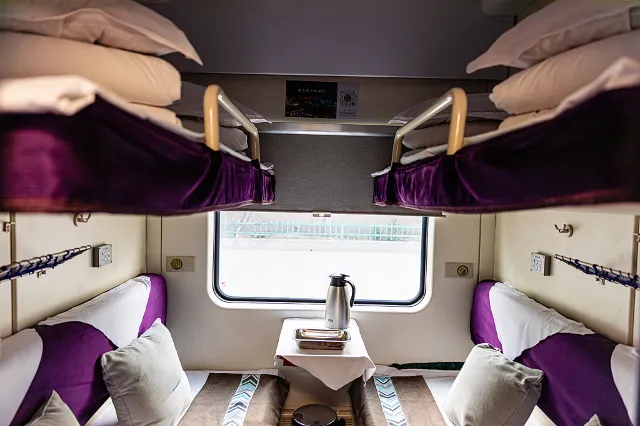
The type of train and seat class you choose will greatly influence the cost and comfort of your journey. Malaysians travelling across China should compare the options carefully to get the best value.
| Train Type | Class Seat Options | Description & Benefits | Why It Matters for Malaysians |
|---|---|---|---|
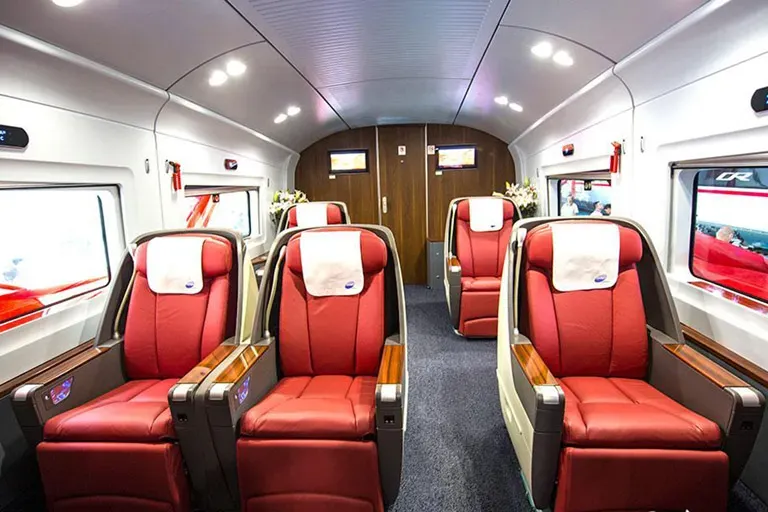
G,D & C High-Speed Trains | • Business Class– Most spacious, reclining seats, but the most expensive. • First Class – Comfortable with wider seats and more legroom than Second Class. • Second Class – Affordable, clean, and air-conditioned. | Modern, punctual, and ideal for covering long distances quickly. Trains can reach speeds up to 350 km/h. | Best for Malaysians with limited travel days who want to maximise sightseeing time. Second Class is the most economical choice without sacrificing comfort. |
Z, T, K Conventional Trains | • Soft Sleeper– Four berths per compartment, offering more privacy and comfort. • Hard Sleeper– Six berths per compartment, cheaper but less private. • Hard Seat– Basic seating, cheapest option but less comfortable for long trips. | Slower than high-speed trains but reliable and widely available. Overnight services can replace a night’s hotel stay. | Ideal for budget-conscious Malaysians who want to save on accommodation costs and don’t mind longer travel times. |
High-Speed Train Seats (2nd Class Focus) | • Second Class Seats– Standard option for high-speed routes, air-conditioned with enough legroom for most travellers. | Provides the best balance between cost and comfort. | Suitable for Malaysians who want affordable, convenient, and comfortable journeys between major cities. |
When deciding between train types and seat classes, always consider your budget, travel time, and level of comfort needed. A second-class seat on a high-speed train is usually the best value, while overnight sleepers on conventional trains can be an excellent way to save on hotel expenses.
🔥Up to 20% OFF on New Hotels

Rail Passes and Train Discounts
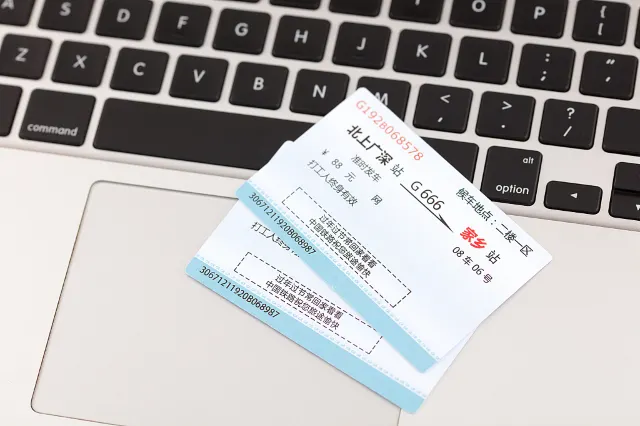
Malaysians visiting China can enjoy affordable rail travel by making use of official discounts, rail passes, and metro cards. Below is a clear guide to the most practical options.
1. Student Discounts
- Who Qualifies: Full-time students enrolled in Chinese universities or recognised exchange programmes.
- Savings: Around 50% off hard-seat fares on conventional (not high-speed) trains, especially during Chinese school holidays.
- What You Need: A valid Chinese student ID and passport when booking and boarding.
2. Children’s Fares
- Under 1.2 m in height: Travel free, but must share a seat with an accompanying adult.
- 1.2 m–1.5 m: Usually half price with their own seat.
- Over 1.5 m: Pay the full adult fare.
3. Regional or Multi-Trip Rail Passes
- Passes such as the Guangdong–Hong Kong Rail Pass let you take multiple train journeys within a fixed period for one set price.
- Ideal for Malaysians who plan frequent trips between Guangzhou, Shenzhen, and Hong Kong, saving the cost of buying separate single tickets.
4. Promotional or Seasonal Sales
- The China Railway 12306 app and trusted platforms like Trip.com sometimes release limited-time discounts on selected routes—most common on conventional long-distance trains outside major holidays.
- Tip: Book early to secure these fares, as availability is limited.
5. City Metro Cards
- Major cities such as Beijing, Shanghai, Guangzhou, and Shenzhen offer stored-value metro cards (e.g., Beijing Transit Card, Shanghai Public Transportation Card).
- These can be topped up easily and used on metros, buses, and some ferries, giving a small fare discount and letting you skip ticket queues.
- Perfect for Malaysians making frequent daily trips within a city.
By combining student or child discounts, regional rail passes, and city metro cards, Malaysian travellers can reduce transport expenses while enjoying smooth and convenient journeys across China. Careful planning and the use of official booking channels help ensure that every trip remains cost-efficient and hassle-free.
🔥Go China
Travel to China! Get RM 120 OFF on Flight & Hotel!

Money & Payment Tips
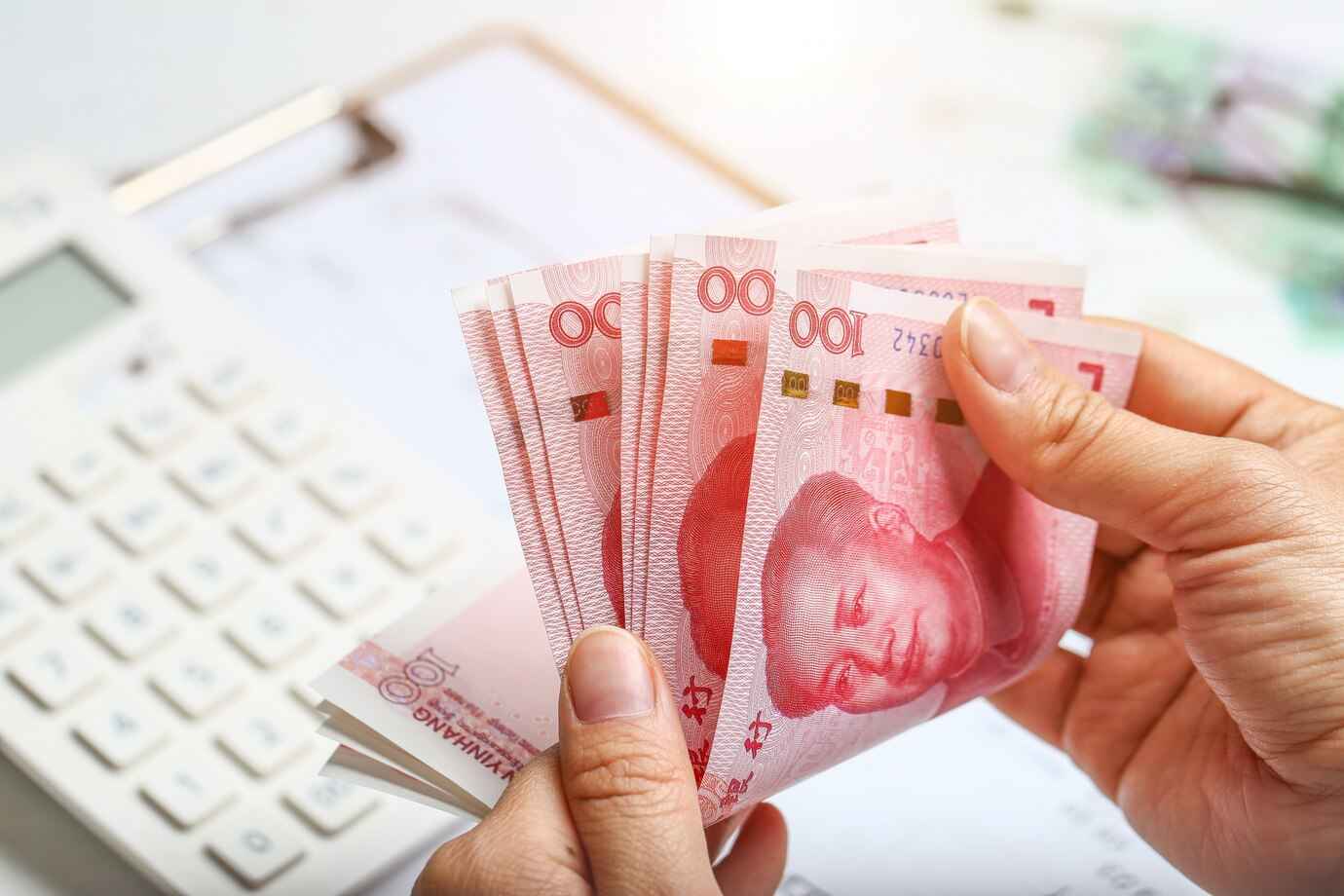
Managing payments correctly helps Malaysians secure the best rail fares and avoid unnecessary fees when travelling in China.
Choose the Right Booking Platform
- Trip.com
- Ideal for Malaysians because it accepts Malaysian credit and debit cards (Visa, Mastercard, Amex).
- Provides an English interface and issues instant e-tickets, so there is no language barrier and no need for a Chinese bank account.
- Prices are slightly higher than the official site but remain competitive and include international payment support.
- China Railway 12306 Website or App
- Offers the lowest direct fares since it is the official railway booking system.
- Payment requires a Chinese digital wallet such as Alipay or WeChat Pay.
- Malaysians can set up these wallets by linking a Malaysian credit card that supports overseas verification or by topping up through friends or family who have Chinese bank accounts.
Prepare Multiple Payment Methods
- Digital Wallets: Alipay and WeChat Pay are widely accepted for ticket purchases, food, and in-station shops. Consider setting these up before your trip for convenience.
- International Cards: Keep a backup card in case your primary card faces foreign-transaction issues or network errors.
- Cash (RMB): Always carry a small amount of Chinese yuan for snacks, local buses, or emergencies when mobile payments are not possible.
Avoid Extra Fees
- Foreign Transaction Charges: Check with your Malaysian bank about currency conversion or foreign transaction fees. Some cards charge 1–3% per purchase.
- Hidden Mark-ups: Book only through official platforms (Trip.com or 12306) to prevent inflated prices or unauthorised service fees.
- Dynamic Currency Conversion: If offered the choice to pay in Malaysian ringgit (MYR) or Chinese yuan (RMB), select RMB to avoid poor exchange rates.
By mixing international-friendly platforms like Trip.com, setting up digital wallets, and carrying a modest amount of cash, travellers can pay for train tickets and on-the-go expenses in China safely and economically, ensuring a smooth journey from booking to arrival.
🔥Exclusive Premium Travel Offers
Elevate your journeys with handpicked business class flights, luxury hotel stays, and premium travel experiences specially tailored for you.

FAQs Cheap Train Tickets China
-
When is the cheapest time to book tickets?
-
Are last-minute tickets ever cheaper?
-
What are the main types of trains in China?
-
Which train class offers the best value for money?
-
What payment methods work best?