

Getting Around in Beijing: Transport Tips for Tourists


Hey there! 👋 I just got back from an eye-opening trip to Beijing, and wow—what a ride it was, quite literally. 😄 As a Malaysian traveler used to the neat efficiency of Singapore’s MRT system, I wasn’t sure what to expect when I landed in the Chinese capital. My first impression? Organised chaos—but with surprising charm and speed.
At first glance, Beijing’s transport system felt like a throwback—older trains, slightly more crowded stations—but don’t be fooled. It runs like a well-oiled machine 🚇 and covers just about every corner of the sprawling city. Compared to Singapore, it's definitely less intuitive (especially if you don’t read Mandarin), but it makes up for it with sheer scale and affordability. And once you get the hang of it, navigating Beijing becomes part of the adventure.
The vibe? It's electric ⚡️. Peak hours on the metro feel like you're swimming upstream in a school of commuters, while outside, the streets are a buzz of honking taxis 🚕, gliding e-bikes 🚲, and the occasional poetic moment—like catching a glimpse of the Forbidden City while walking between subway exits. And yes, the city is super walkable in certain areas (looking at you, hutongs!) but other parts? Best save your feet and hop on a bus 🚌 or train.
Here’s a sneak peek of what this guide will cover:
- The metro 🚇—your best bet for speed and budget travel
- Buses 🚌—a scenic (and sometimes chaotic) way to move like a local
- Taxis and ride-hailing apps 🚕—great for families or when your legs give up
- Cycling and walking 🚶♀️🚲—ideal for exploring historic districts and temples
- Ferries ⛴️—yes, they exist! Not common, but scenic in the summer months
If you're like me and appreciate tips that save time and money, you’ll love the insider bits I’ve gathered—like which transport card to get, what apps are actually useful, and how to choose the best mode of travel for solo adventurers, seniors, or families with kids. And of course, we’ll touch on how the weather in Beijing can totally change your travel game (hint: summer = heat + crowds, winter = icy but magical ❄️).
Here’s everything you need to know about getting around in Beijing—whether you’re commuting, exploring, or just trying to find your next bowl of something delicious. 🍜🗺️
Top Things To do In Beijing
 6687 ditempah

![Lawatan Sehari ke Tembok Besar Mutianyu Beijing [Sewaan Peribadi VIP◆Pengangkutan Pintu ke Pintu/Termasuk Tiket Masuk Tiada Beli-belah]](https://ak-d.tripcdn.com/images//0580u12000mzn0c4q2CAB_C_568_320.jpg)



![Beijing fotografi pelancongan Taman Beihai [8 cawangan di Beijing · pakaian Han + dandanan/pelbagai pakej boleh dipilih]](https://ak-d.tripcdn.com/images//0586012000rf58x2mFB8B_C_568_320.jpg)
🚇 Getting Around with the Beijing Subway
The Beijing Subway is your best friend when it comes to navigating this massive city. With 25+ lines and more than 400 stations, it connects most major districts—from historic hutongs to glitzy shopping malls, and even out to the Great Wall (well, close enough!). The system is huge but surprisingly easy to use once you get the hang of it.
Lines are numbered and color-coded (e.g., Line 1 – red, Line 10 – light blue), and trains come in two types: local and airport express.
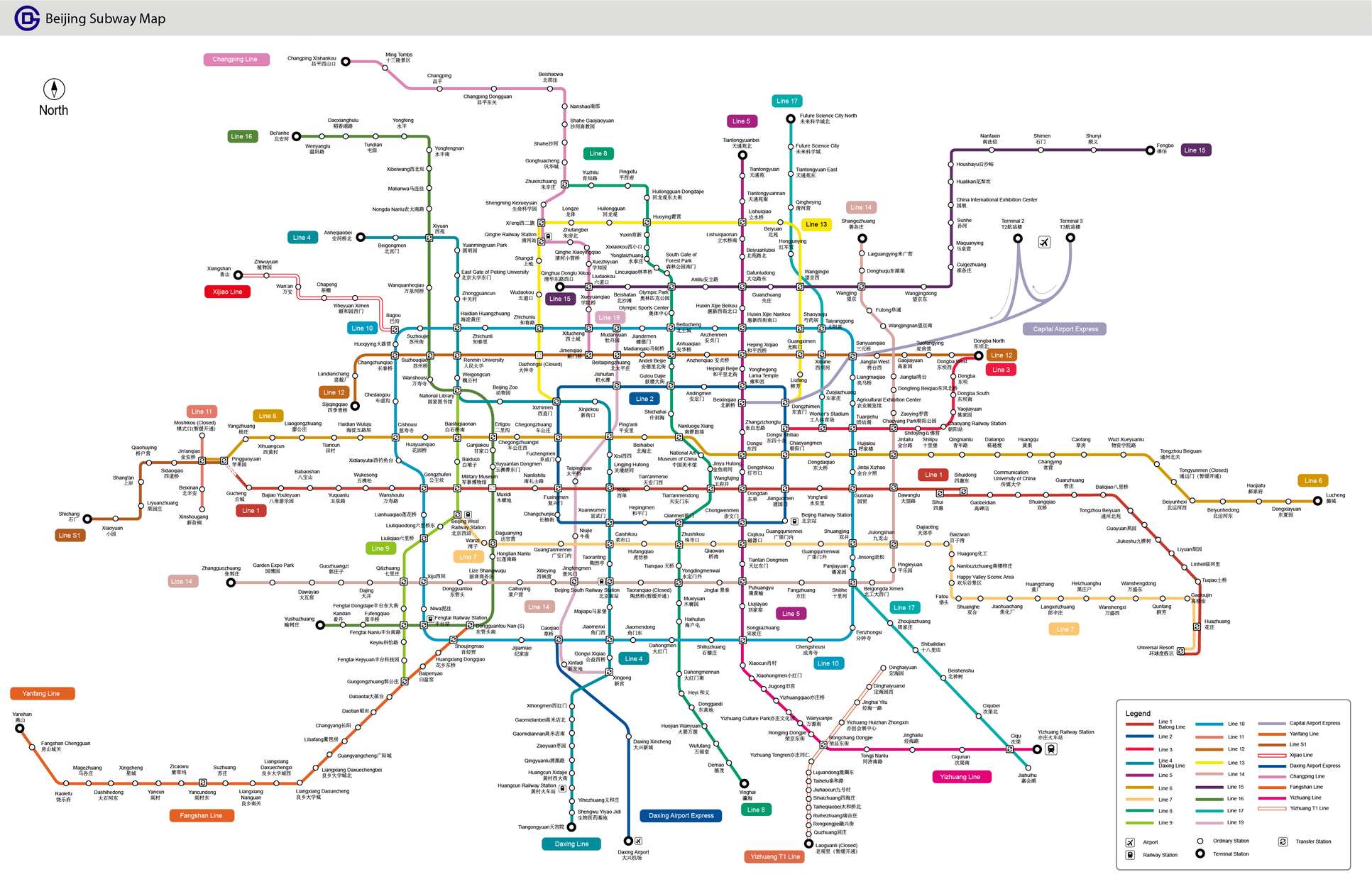
Source: Travel China Guide
📍 Popular Stops for Tourists
- Tiananmen East 西单 / 天安门东 (Line 1) – Gateway to Tiananmen Square & Forbidden City 🏯
- Wangfujing 王府井 (Line 1) – Shopping paradise with local snacks and night market vibes 🛍️🍡
- Beijing South Railway Station 北京南站 (Line 4) – For high-speed train connections 🚄
- Beihai North 北海北 (Line 6) – Near tranquil Beihai Park and charming hutongs 🌳🚶♂️
- Olympic Park 奥林匹克公园 (Line 8) – For sporty sights like the Bird’s Nest Stadium 🏟️
💳 How to Pay & Ride
You’ve got a few easy options:
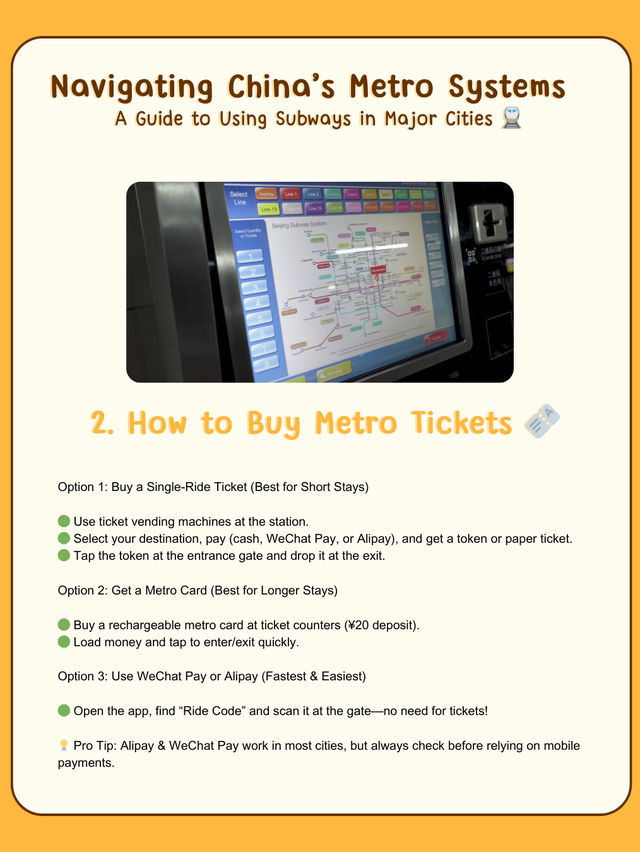
- Yikatong Card (一卡通) – Like our EZ-Link; reloadable, convenient, and works on buses too
- Single-ride tickets – Buy from machines at any station (English options available)
- QR code payment via app – Popular with locals, but requires Chinese apps and local number
- Some stations also accept contactless bank cards (Visa/Mastercard) at gates—super handy!
Pro tip: Grab a 1-day or 3-day tourist pass at larger stations if you're doing heavy sightseeing—it’s affordable and saves queue time.
🕒 Hours & Frequency
- 🕔 First trains: Around 5:00 AM
- 🌙 Last trains: Usually 11:00 PM, though some lines close a bit earlier
- 🚇 Trains come every 2–5 minutes during peak hours—impressive!
✅ Why You'll Love It
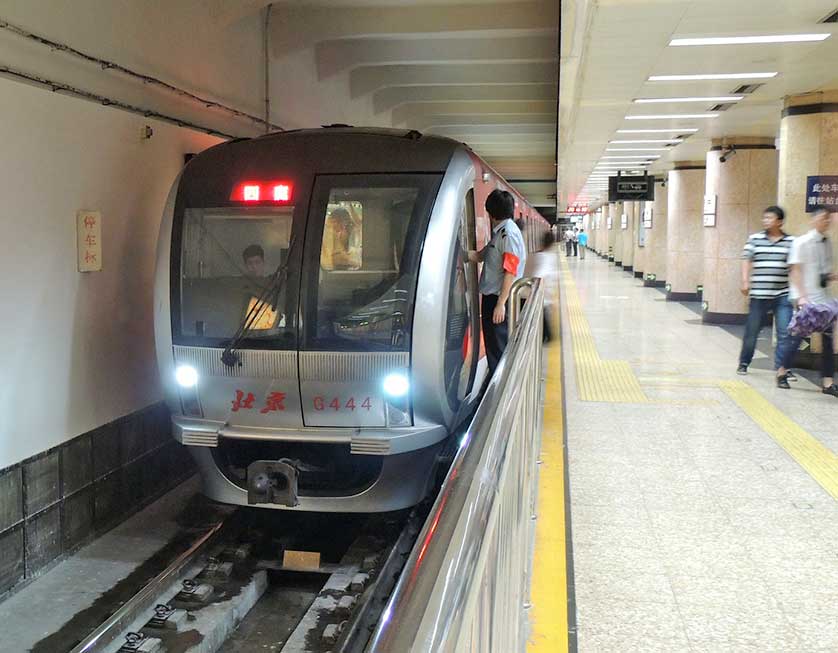
- Super cheap (as low as ¥3, about RM2!)
- Air-conditioned, clean, and punctual
- Most signage is in English + Mandarin, so you won’t feel too lost
- Ideal for: solo explorers, business travelers, and anyone on a budget 🚶♀️💼
Compared to Singapore’s MRT, Beijing’s subway is older and busier, but just as efficient once you figure out the system. Some stations are deeper and larger—expect a bit more walking (and escalators that go on forever 😅).
⚠️ What to Watch Out For
- Peak hours (7:30–9:30 AM & 5:30–7:30 PM) are packed—skip if you're with kids or big luggage 💼👶
- Station layouts can be maze-like—especially big interchanges like Xizhimen or Dongzhimen
- Not all staff speak English, but station signage is generally bilingual
- Be ready for security checks at every station (bags go through scanners)
Kuala Lumpur to Beijing Flight
- Pergi Balik
- Sehala
 KUL16:1020j 35mTanpa hentiPKX12:45Kuala Lumpur - Beijing|Rab, 28 Okt|China Southern AirlinesPKX20:0017j 40mTanpa hentiKUL13:40Beijing - Kuala Lumpur|Sab, 31 Okt|China Southern AirlinesSEK 2,226SEK 3,13628% offCari28% offSEK 3,136SEK 2,226
- KUL14:4519j 55mTanpa hentiPKX10:40Kuala Lumpur - Beijing|Isn, 26 Okt|China Southern AirlinesPKX18:0019j 40mTanpa hentiKUL13:40Beijing - Kuala Lumpur|Ahd, 1 Nov|China Southern AirlinesSEK 2,226SEK 3,13628% offCari28% offSEK 3,136SEK 2,226
- KUL16:1020j 35mTanpa hentiPKX12:45Kuala Lumpur - Beijing|Rab, 28 Okt|China Southern AirlinesPKX20:0017j 40mTanpa hentiKUL13:40Beijing - Kuala Lumpur|Isn, 2 Nov|China Southern AirlinesSEK 2,226SEK 3,13628% offCari28% offSEK 3,136SEK 2,226
 KUL13:0020j 35mTanpa hentiBJS14:00Kuala Lumpur - Beijing|Mon, Sep 6|Normal Airline
 BJS13:0020j 35mTanpa hentiKUL14:00Beijing - Kuala Lumpur|Mon, Sep 6|Normal AirlineCari Penerbangan LainCari Penerbangan Lain
🚌 Buses & Airport Shuttles in Beijing
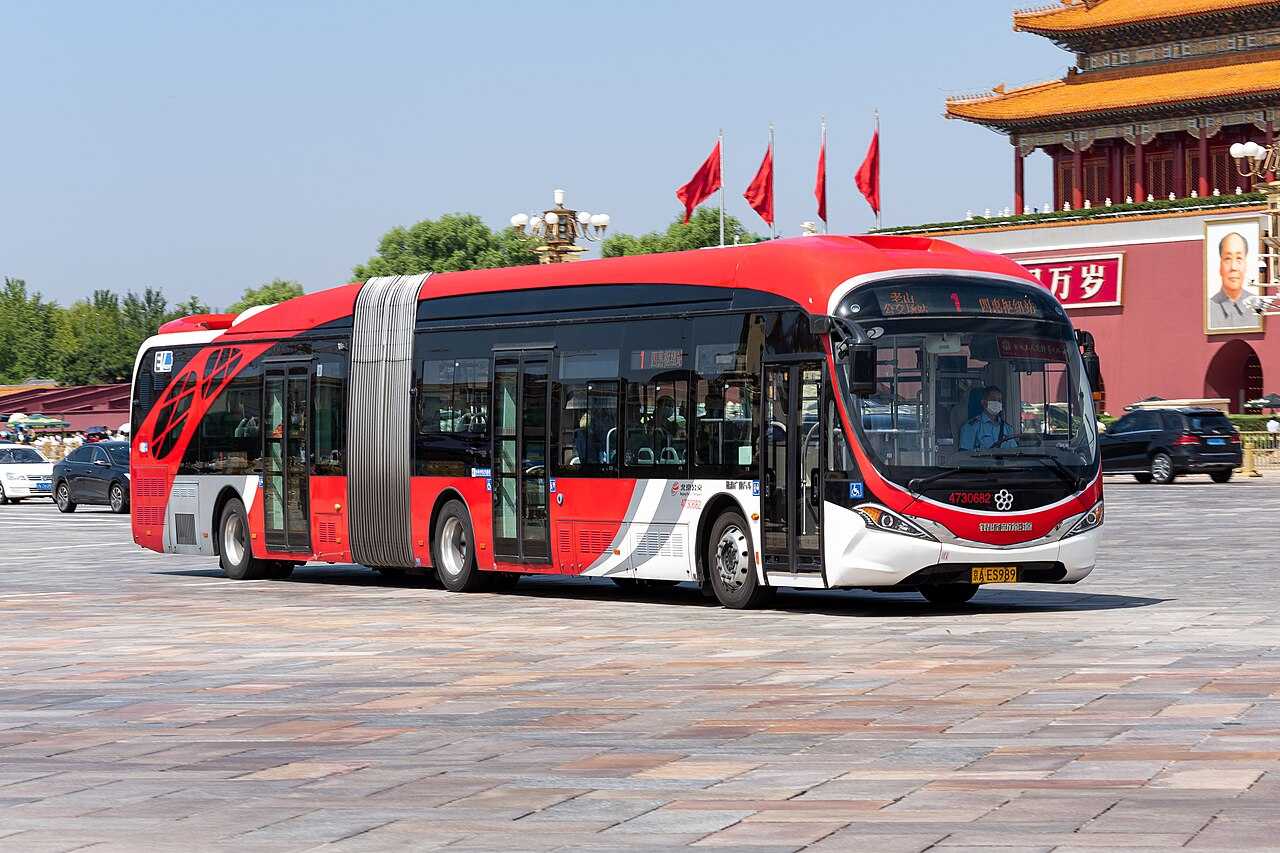
🚌 Local Bus System Overview
Beijing’s public buses are run by the Beijing Public Transport Group, with thousands of routes weaving through the city’s streets. Locals use them daily for everything from market runs to office commutes. You’ll see a mix of older diesel buses and modern electric ones, many with air-conditioning—especially on popular routes.
📍 Where are they useful?
- Great for areas not well-covered by the subway—like parks, suburbs, or hutong neighborhoods
- Ideal for above-ground sightseeing, especially around the lakes or old city walls
- Some dedicated tourist routes (like special lines to Summer Palace or Badaling Great Wall) make them worth a look
💳 How to Pay & Ride
- Most locals use the Yikatong transport card (一卡通), which also works on subways 🚇
- You can also pay with exact change in cash (no change given!)
- Some buses support QR code payments, but these require local apps like Alipay or WeChat
- Board from the front door, and tap when boarding only—no need to tap out
- For tourist buses, fares are usually posted near the driver or on the front display
🚨 Tip for Malaysians: Unlike Singapore, not every bus stop has an English route map, so it helps to have a navigation app ready (like Baidu Maps or Apple Maps) with Chinese place names.
🕒 Operating Hours & Frequency
- Most buses run from around 5:00 AM to 10:00 PM, with peak hour frequency around every 5–10 minutes
- Some late-night buses are available, but they run less frequently and may be harder to navigate for non-Mandarin speakers
- Tourist shuttle lines may have limited schedules depending on the season
✈️ Beijing Airport Shuttle Buses
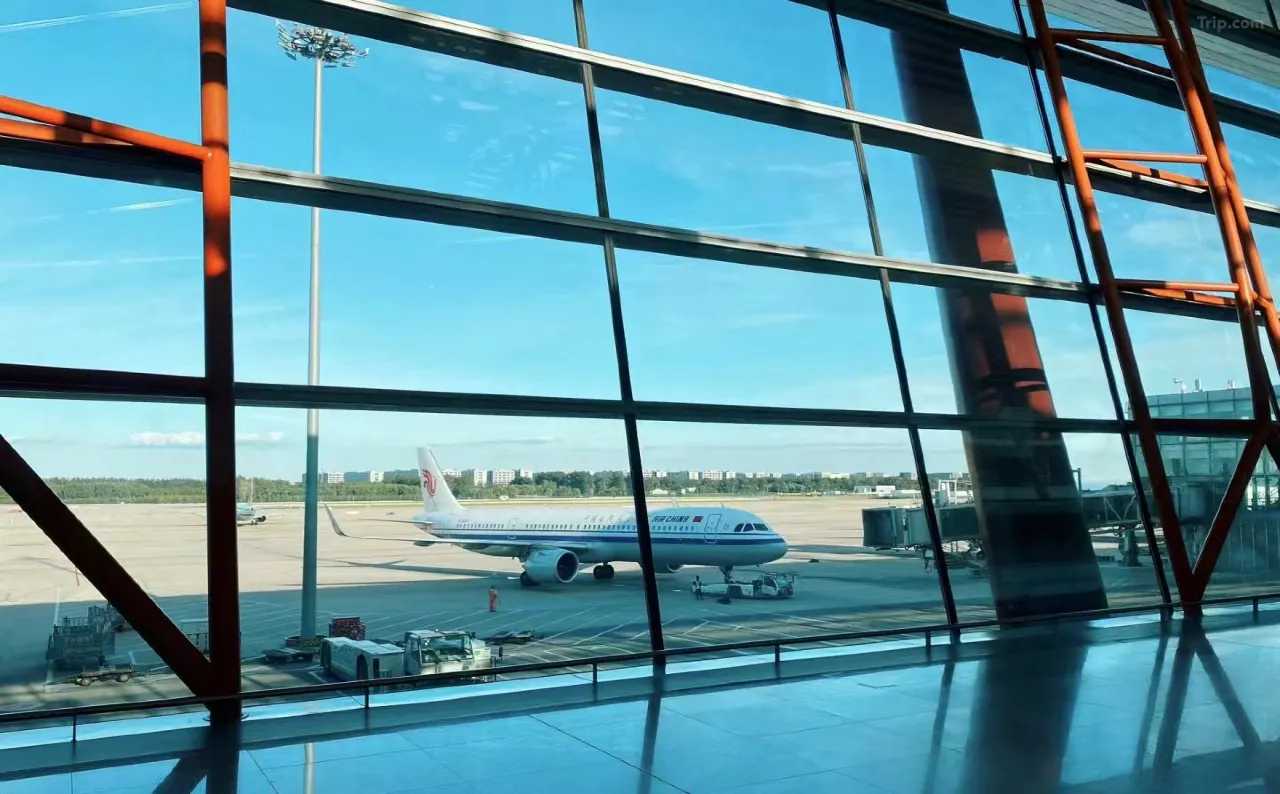
If you're flying into Beijing Capital International Airport (PEK), airport shuttle buses are a solid, wallet-friendly option, especially if:
- You arrive late at night (after the subway stops)
- You're carrying large luggage
- You're headed to a hotel without a nearby subway station
There are multiple airport shuttle lines (线路) serving different parts of the city—like Dongzhimen, Beijing Railway Station, or even further to suburban areas.
- 💰 Cost: Typically ¥20–30 (about RM13–RM20), depending on destination
- 🪑 Comfort: Spacious seating, luggage storage, and clearly marked pick-up zones outside the terminal
- 🎟️ Tickets can be bought at airport counters, self-service machines, or online (Trip.com has reliable airport transfer options too)
✅ Who Should Take the Bus?
- Budget travelers: It’s the cheapest way to move around above ground
- Slow-paced explorers: You’ll pass local neighborhoods, street scenes, and landmarks
- Families or seniors: Especially helpful when subway stairs or long walks aren’t ideal
Compared to Singapore’s smooth and highly digital bus system, Beijing buses can feel a little rougher around the edges, but they still get the job done—and give you a unique glimpse of everyday life in the capital.
⚠️ Watch-Outs Before You Hop On
- Bus routes and numbers can be confusing, especially without Mandarin skills
- Some bus stop announcements are only in Chinese
- Traffic jams are common during rush hour or rainy days
- Apps like Baidu Maps work best for real-time tracking, but might need a bit of setup if you’re not using a Chinese SIM
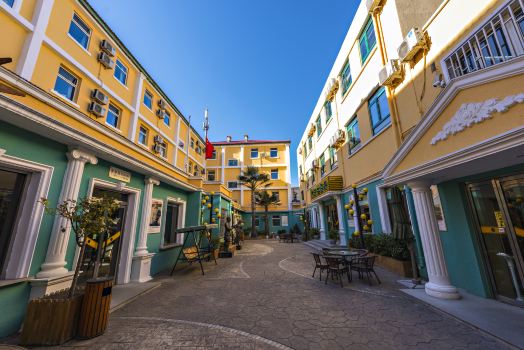
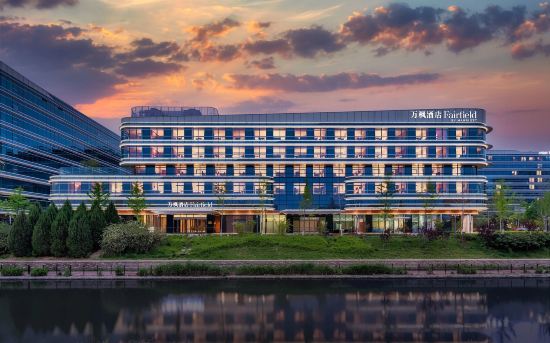
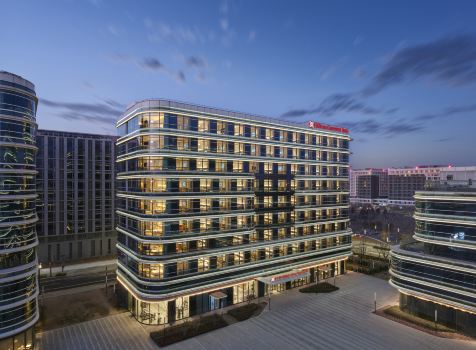
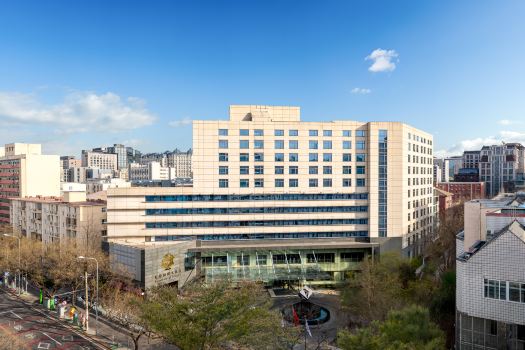
Recommended Hotels In Beijing



🚕 Taxis & Ride-Hailing in Beijing
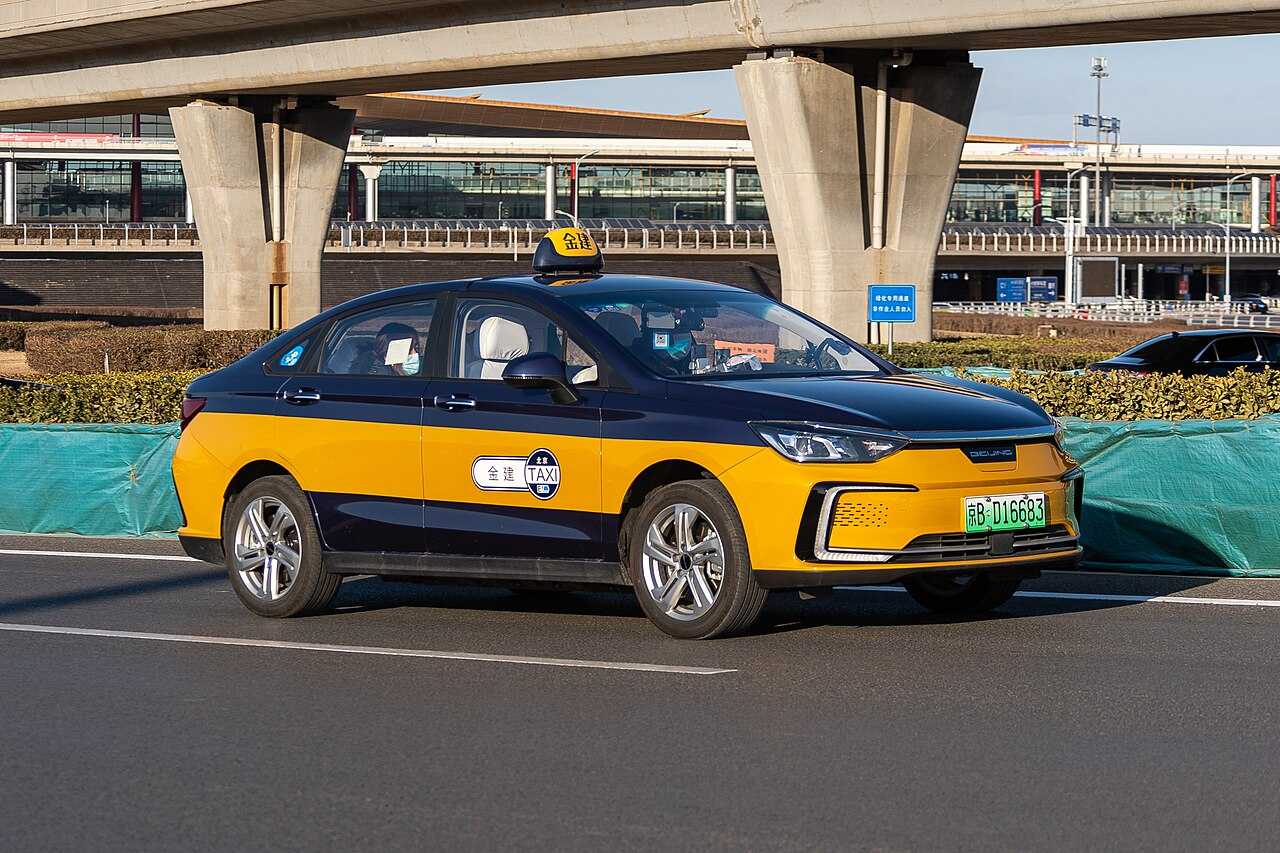
Prefer the comfort of a private ride or landing late with too many bags in tow? In Beijing, taxis and ride-hailing apps are readily available, but knowing a few local quirks can help you avoid headaches and travel smoothly.
🚖 Availability & Reputation
Taxis are widely available throughout Beijing—especially near hotels, shopping districts, and major tourist spots. They're government-regulated and metered, but the experience can vary. While most drivers are honest, you might encounter a few old-school tricks like “meter not working” or scenic (read: long) routes.
That’s why ride-hailing apps are increasingly preferred, especially by locals and travelers who want upfront pricing, GPS tracking, and less haggling. 📱
📱 Popular Ride-Hailing Apps in Beijing
- DiDi (滴滴出行) – The most widely used app in China. Think of it as the “Grab” of Beijing.
- Baidu Maps – Has integrated ride-hailing features but less user-friendly for non-Chinese speakers.
- Trip.com – Offers ride bookings in English and even pre-booked airport transfers (super useful for peace of mind!).
🛠️ Features to look for:
- Upfront fare estimates
- In-app English interface (DiDi has a dedicated “DiDi English” version!)
- Option to pay via WeChat Pay, Alipay, or linked credit cards
- Live chat with driver (with translation feature)
📲 Download from the App Store or Google Play. We recommend setting up your account before your trip.
💸 Fares & How to Pay
- Taxis are metered, starting at about ¥13–¥14 (approx. RM8–RM9) for the first 3 km
- A trip from Beijing city center to the airport (PEK) costs ¥100–¥150 (~RM65–RM100), depending on traffic and tolls
- DiDi ride-hailing fares are dynamic (like Grab), with potential peak hour or rainy-day surcharges
- Night rides (11:00 PM–5:00 AM) include a small night surcharge (20–30%)
- Pay by cash (in taxis) or in-app for ride-hailing—taxis don’t typically accept cards
💡 Tip: If you're unsure about local payment apps, use Trip.com to pre-book and pay with your usual credit card.
🛬 Airport Taxi & Ride-Hailing Pickups
At Beijing Capital International Airport (PEK):
- Look for the official taxi queue on the ground floor outside each terminal
- Ignore touts who approach you inside the terminal—they often charge inflated prices
- Ride-hailing pickup zones are clearly marked; check your app for the exact spot
- An airport surcharge of ¥10–¥20 (RM7–RM13) may apply to standard taxis
- For stress-free travel, you can also pre-book a Trip.com airport transfer—especially helpful if you're arriving late or with kids 👨👩👧👦
✅ Best For...
- Families or seniors who want a direct, hassle-free ride
- Travellers with bulky luggage
- Late-night arrivals or early flights
- Anyone staying in less accessible areas or farther suburbs
Compared to Singapore, taxis in Beijing can feel a bit more unpredictable, but ride-hailing apps like DiDi level the playing field with clear pricing and English interfaces.
⚠️ Watch Out For...
- Unofficial taxis or “black cabs” offering rides inside airports or tourist spots—always decline
- Some drivers may refuse short-distance trips, especially during peak times
- Traffic jams are real, especially during rush hours (7–9 AM & 5–7 PM)—factor this into your timing
- On busy days or rainy weather, DiDi wait times can be long, so plan ahead or consider the subway
3GB/day 3 Days
- Data3GB Daily
- Validity3 Days
- PriceFrom RM17.83
20GB 5 Days
- Data20GB
- Validity5 Days
- PriceFrom RM37.57
20GB 7 Days
- Data20GB
- Validity7 Days
- PriceFrom RM40.72
🚶 Walking & Exploring on Foot in Beijing
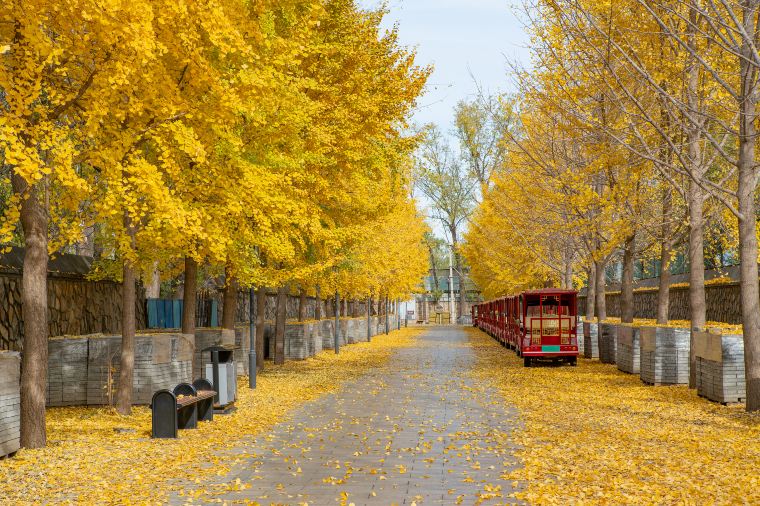
🚶 Is Beijing Walkable?
Yes—but selectively. While Beijing is vast and spread out, many of its key tourist areas are quite walkable once you’re there. It’s not a “walk the whole city” kind of place, but it is great for district-by-district exploring.
🏙️ Walkable zones we love:
- Wangfujing Street – Perfect for evening walks, with bright lights, malls, and street snacks 🛍️🍡
- Houhai & Shichahai Lakes – Romantic lakeside paths with historic hutongs nearby 🌙🌿
- 798 Art District – A pedestrian-friendly art hub full of murals, indie galleries, and cafés 🎨☕
- Dashilar & Qianmen Street – Narrow alleys and restored shophouses that feel like time travel 🚶♂️🏮
🛣️ Sidewalks, Crossings & Navigation
Sidewalks in central Beijing are generally wide, paved, and separated from road traffic. However, in older areas like the hutongs, expect narrow lanes, occasional stairs, and the occasional e-bike zipping past you 🛵.
Pedestrian crossings exist, but drivers don’t always give way—especially compared to Singapore’s stricter road culture. Always wait for the green man and stay alert, especially at junctions without clear signals.
🦽 Accessibility note: Some older attractions or hutong alleys may not be wheelchair- or stroller-friendly due to uneven paths or steps.
🗺️ Maps, Signage & Safety
- Google Maps works okay, but for super accurate directions, especially on foot, Apple Maps or Baidu Maps (with English mode) perform better in Beijing
- Most public signs in tourist areas include both Chinese characters and Pinyin (Romanized), so it’s not too overwhelming for non-Mandarin speakers
- Central Beijing is safe to walk alone, even at night. Popular walking areas like Wangfujing and Houhai are well-lit and lively till late
Just keep your valuables secure in crowded spots—standard advice for any big city.
🌦️ Weather Considerations
Beijing’s weather can shape your walking plans, big time.
- Spring and Autumn are perfect—cool, dry, and great for exploring in comfort 🌸🍂
- Summer (June–August) is hot, dusty, and sometimes smoggy—bring a hat, water, and maybe a fan 🥵☀️
- Winter can be magical but icy; sidewalks may be slippery, so good shoes are a must ❄️🧤
📸 Scenic Walks & Hidden Gems
Looking for a memorable walk? Try this:
✨ Sunset stroll at Houhai (后海) – Start at the Bell Tower, wind through the hutongs, and circle the lake as local musicians play and cafes light up. It’s the perfect mix of old-world Beijing and chill vibes 🌅🪕
Other gems:
- Imperial City Wall Relics Park – A calm stretch of greenery with bits of the ancient city wall
- Tiananmen to Jingshan Park route – Walk through history, then climb the hill for a panoramic view of the Forbidden City 🏯📸
✅ Who Will Enjoy Walking in Beijing?
- Solo travellers and photo-hunters – for spontaneous discoveries
- Couples – especially around scenic lakes and cultural streets
- Anyone staying in central districts like Dongcheng or Xicheng (more on where to stay in Beijing)
- Travellers who enjoy mixing metro rides with scenic walks
⚠️ Things to Keep in Mind
- Heavy traffic roads (e.g., Chang’an Avenue) can be overwhelming—use underpasses or pedestrian bridges
- Construction sites and sudden closures can reroute you unexpectedly
- Not every area has shade—essential if you’re walking in summer
- Hutong lanes are charming but not always well-marked, so use maps and screenshots of Chinese names if needed
🚲 Rickshaws in Beijing – A Quirky Ride Through History
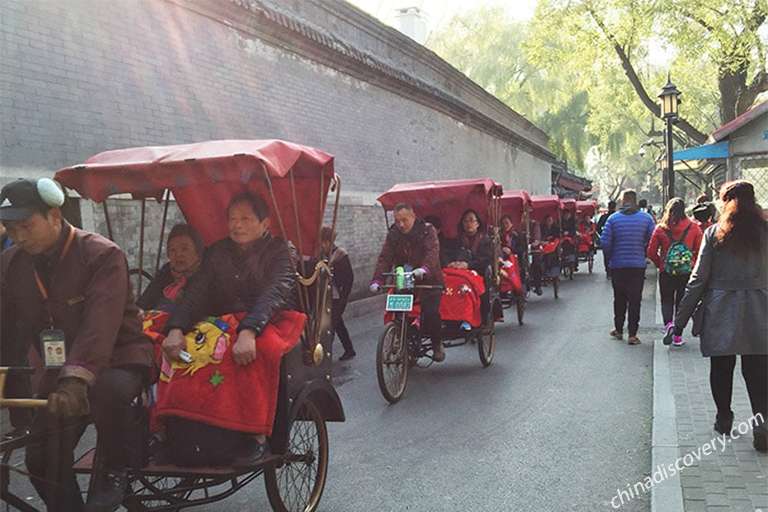
If you’re the type of traveller who loves trying something a little different (and a little old-school), then hopping onto a Beijing rickshaw might just be your next travel story waiting to happen. While you won’t find tuk-tuks like in Bangkok or trams like in Hong Kong, Beijing has its own unique local transport charm—and it comes with three wheels, a canopy roof, and a whole lot of character. 😄
🚲 What It Is & Where to Find It
Beijing’s pedicabs or cycle rickshaws are most commonly found around the hutong districts—those narrow alleyways filled with traditional courtyard houses. You’ll see them circling areas like:
- Shichahai (什刹海)
- Nanluoguxiang (南锣鼓巷)
- Near Drum & Bell Towers
These rickshaws are usually pedal-powered (though some are electric-assisted) and often run guided hutong tours that include short stops and stories about old Beijing life.
💰 Cost & How to Ride
There’s no official meter here, so prices can vary—and often depend on your bargaining skills.
- A short ride or quick photo op might cost ¥30–50 (RM20–35)
- A guided hutong tour could range from ¥100–200+ (RM70–140), depending on length and inclusions
🛎️ Best way to ride:
- Ask your hotel concierge to book or confirm a fair rate
- Some are available near major tourist entrances—just agree on the price before hopping in
- Don’t be shy to negotiate politely (just like in a pasar malam back home!)
🎯 When It’s Worth Trying
A rickshaw ride is less about speed and more about soaking in the old-world charm of Beijing’s backstreets.
It’s perfect for:
- Leisurely afternoon sightseeing
- A cultural detour between metro stops
- Exploring places where cars and buses can’t enter
📍 Try it in the Shichahai–Drum Tower loop, where you’ll pass teahouses, temples, and courtyard homes.
⚠️ Things to Watch Out For
- Tourist pricing is common—always agree on fare first
- Avoid anyone aggressively offering rides without clear pricing
- Rickshaws aren’t built for speed or comfort—hold on to your bags and expect some bumps
- Not ideal during bad weather (they're semi-covered, but not waterproof!)
✅ Who It’s Great For
- Adventurous travellers and culture seekers
- Anyone who wants to experience a slice of “Old Beijing” at a slower pace
- Solo travellers or couples who have time to wander
👶 Not great for: Families with young children, people with large luggage, or those in a rush
📸 A Few Fun Extras
- The soft clack-clack of the wheels on old stone paths has a nostalgic charm
- Some rickshaw drivers act as informal guides, pointing out famous residences or sharing fun facts (in Mandarin, but still fun!)
- The smell of grilled chuanr (meat skewers) and the echo of hutong life make it a sensory treat 🎶🍢
🚤 Water Transport in Beijing – A Scenic, Slow-Paced Way to Explore

⛴️ What’s Available
Beijing’s water transport is made up of scenic leisure boat rides and a few canal cruise routes, mainly run by Beijing Yintai Ferry and Shichahai Scenic Boat Company. These are not part of the main public transport network like the MRT or bus, but more like curated experiences designed to show off the city’s historical waterways.
Types of boats include:
- Traditional wooden boats in the hutongs and lakes (very photogenic!)
- Modern ferries operating on larger canals or rivers
- Electric sightseeing boats around parks and historic zones
🗺️ Where It Goes
These water rides mainly connect tourist-friendly areas and offer a tranquil way to see the city’s parks, palaces, and preserved neighborhoods:
📍 Popular routes & piers:
- Beihai Park to Zhongnanhai – Gentle boat rides near imperial grounds 🌿🚣
- Shichahai Lakes – Scenic loop around Houhai and Qianhai, filled with history and cafés 🏞️
- Grand Canal (Tongzhou District) – For longer, more open cruises with cultural performances aboard 🏯
Some routes start or end near metro stations, such as Beihai North (Line 6) or Shichahai (Line 8), so it’s easy to integrate into your sightseeing route.
💸 Tickets & How to Ride
- 🎟️ Prices range from ¥20–¥100+ (RM13–RM70) depending on the route and boat type
- Tickets are sold at the pier, at park entrances, or via Chinese apps like WeChat mini-programs (ask a local or hotel concierge for help)
- English signage is limited, so have your destination name in Chinese handy or use translation apps
- Queues aren’t too bad, but weekends and holidays can get busy
🕒 Timings & Frequency
- Most boat services run from April to October, when the weather is warm
- Operating hours are generally from 10:00 AM to 6:00 PM
- Boats depart every 15–30 minutes, but this can vary by route
- Some boats are hop-on-hop-off, especially those around Houhai, perfect for lazy exploring
🎯 Who It’s Best For

- Couples or families looking for a calm and scenic activity
- Culture lovers and photographers who want to capture Beijing from a unique angle
- Travellers avoiding long walks (especially elderly or young kids) but still wanting the sights
A boat ride at sunset across Houhai or around Beihai Park can feel romantic and serene, especially with the glow of lanterns and sounds of traditional music in the background. 🌅🪕💑
⚠️ Watch-Outs & Tips
- Some piers and boats have steep steps or shaky ramps, which might be tricky for seniors or those with mobility concerns
- Most boats are open-roof or semi-covered—bring a hat, water, and sunscreen ☀️
- Services pause during heavy rain or bad weather, and in winter, many routes close entirely
- Be mindful of language barriers—most staff speak Mandarin only, so point to a map or screen to clarify
📸 Local Flavour on the Water
- You might pass locals fishing off the banks, hear street performers drifting across the lake, or even see young couples taking wedding photos on a boat
- At Houhai, night rides come with twinkling lights, reflections on the water, and street food scents wafting in from the nearby lanes 🌙🍢
- During festivals, boats are decorated with lanterns and music, turning a simple cruise into a cultural delight 🎏🎶
🛵 Motorbike Taxis, E-Scooters & Shared Bikes in Beijing
🛵 What’s Available
In Beijing, you’ll mostly find:
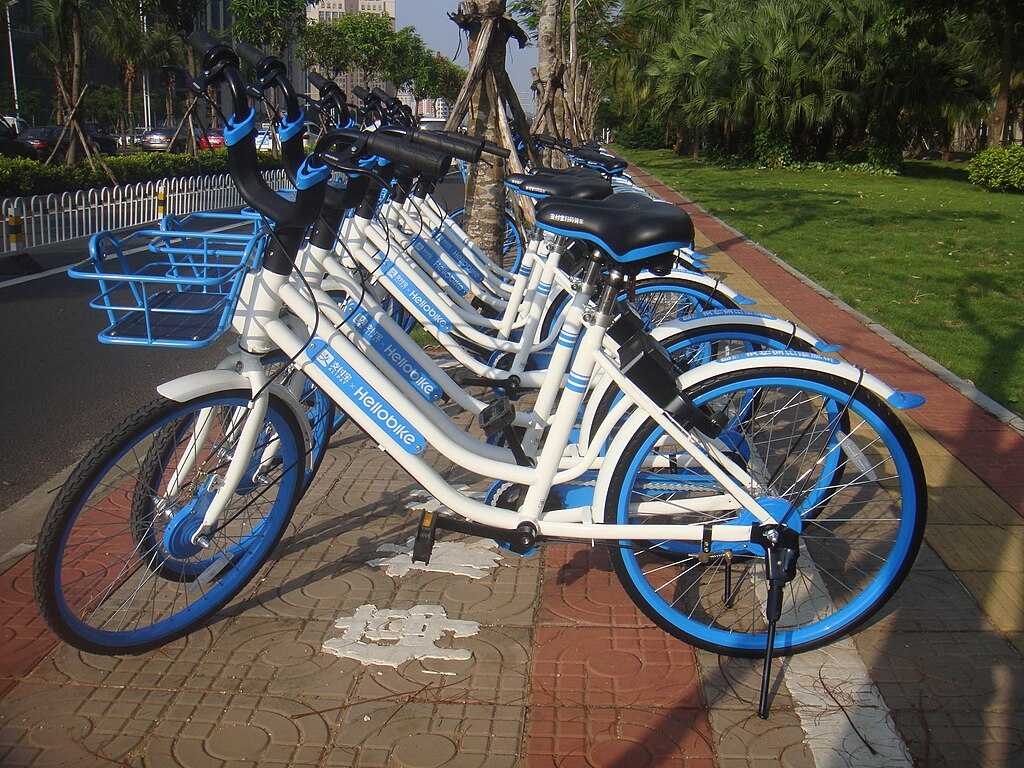
- Dockless shared bikes (共享单车) by companies like Meituan and HelloBike
- Electric scooters (轻便电动车) – generally for locals, not tourist rentals
- Motorbike taxis do exist but are unofficial, and not recommended due to safety and insurance concerns
Unlike cities with GrabBike or Gojek, there’s no widely-used ride-hailing app for motorbike taxis here. Your best bet for quick, self-driven mobility is bike sharing.
📍 Where to Find Them
- Shared bikes are everywhere—you’ll see them parked near metro exits, malls, office buildings, and street corners
- There are no docking stations—they’re dockless, so you can park them (almost) anywhere legal
- Just scan and go!
📲 How to Use
- Download the Meituan or HelloBike app (Apple App Store or Google Play)
- Register using a Chinese phone number (this can be a barrier for tourists)
- Link WeChat Pay or Alipay for payment
- Scan the QR code on the bike to unlock 🚲
- Ride and park in designated areas only (check the app map for parking zones)
💰 Cost: Usually ¥1–¥3 (RM0.70–RM2) per 30 minutes—super cheap for short hops.
🔒 Tip: Use WeChat’s built-in bike-sharing mini-program if you already have WeChat set up—it’s quicker and sometimes supports foreign cards.
🛡️ Safety Tips
- Helmets are not included—and almost never worn, so ride with care
- Stick to bike lanes (marked in blue or white on the road)
- Watch out for cars turning into bike lanes without warning
- Dress comfortably, avoid long skirts or anything that can get caught in wheels
- Always hold both handlebars—no selfie-riding! 😅
✅ Best For…
- Solo travellers hopping between sights in a small area
- Beating short-distance traffic between food streets or art districts
- Exploring scenic areas like Shichahai, 798 Art District, or parks where bike lanes are smooth and safe
🚨 Not great if:
- You're carrying shopping bags or luggage
- It’s raining or icy (especially in winter)
- You don’t speak/read basic Mandarin (apps have limited English support)
⚠️ What to Watch Out For
- Tourists may struggle to register without a local phone number or payment method
- No insurance coverage for accidents
- Rush hour bike chaos—everyone's zooming and no one's signaling
- Not suitable for kids or those unfamiliar with China's road flow
🚗 Car Rentals & Driving in Beijing – Should You Get Behind the Wheel?
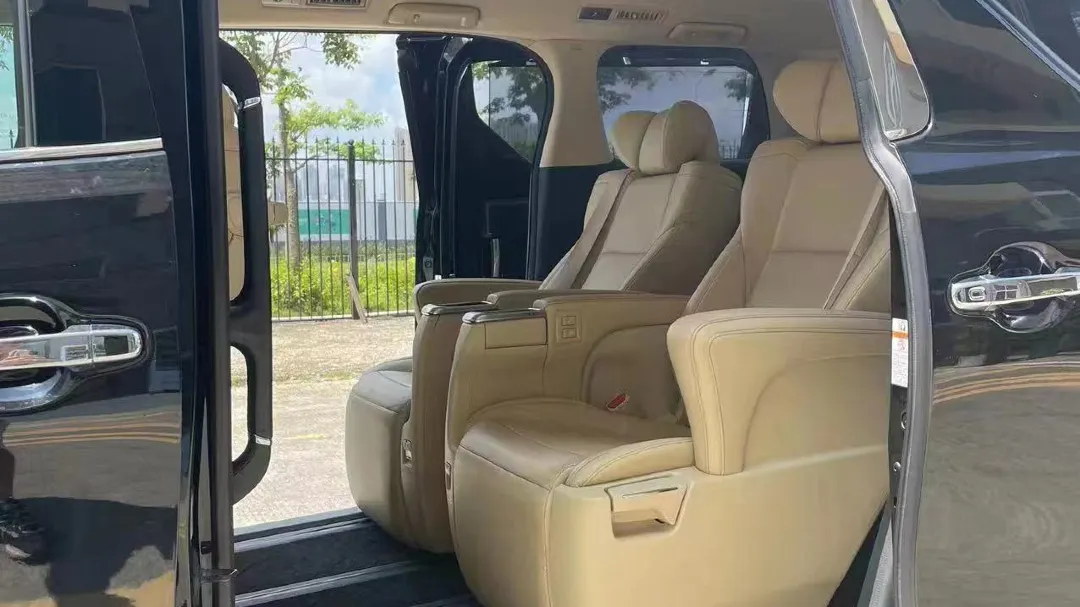
🚘 When It Makes Sense to Drive
Driving in central Beijing can be stressful, thanks to heavy traffic, aggressive local driving styles, and limited parking. But it becomes practical when:
- You're planning day trips to places like the Great Wall (Mutianyu or Jinshanling), Longqing Gorge, or Ming Tombs
- You're travelling with kids or seniors, and want to avoid crowded public transport
- You're staying in suburban districts or exploring nearby provinces like Hebei or Tianjin
🚫 Avoid driving in central districts like Dongcheng or Chaoyang unless absolutely necessary.
📍 Where to Rent a Car
You can rent a car at:
- Beijing Capital International Airport (PEK) – convenient if you're landing and heading out of town
- Downtown rental offices (Chaoyang, Wangjing, etc.)
- Online platforms like Trip.com
Well-known companies include Hertz, Avis, eHi, and Shouqi.
📄 Requirements for Tourists
Here’s what you need to legally drive in Beijing:
- ✅ A Chinese driving permit – not your regular license or even just an International Driving Permit (IDP)
- ✅ Tourists must apply for a temporary Chinese driving license, usually via the rental company or local authorities
- 📄 Required documents: Valid passport, original driving license, IDP, visa copy, passport photo
➡️ Tip: Many rental platforms will help process this for you—Trip.com includes services that guide foreign drivers through the permit process.
💸 Cost Overview
- 🚗 Daily rental: From ¥200–¥500 (approx. RM130–RM330), depending on car type
- 💰 Deposit: Typically ¥3,000–¥5,000 (RM2,000–RM3,300), held on card
- ⛽ Fuel: Usually full-to-full policy
- 🛣️ Tolls: Common on highways (pay via ETC tag or at booths)
- 🅿️ Parking fees: ¥5–¥15/hour in city areas; some zones require mobile payment only
- 🚦 No congestion charges, but there are “license plate restrictions” on certain days—ask your rental agency
🛣️ Driving Conditions & Culture
- Right-hand driving, opposite of Malaysia/Singapore
- Traffic in Beijing is intense, especially during rush hour or holidays
- Expect last-minute lane changes, liberal horn use, and scooters weaving in and out 😅
- Road signs usually include both Chinese and English, especially on highways
- GPS is reliable with apps like Baidu Maps or AutoNavi (Google Maps can lag)
🚗 Pro tip: Use a local GPS app in Chinese, or get a car with built-in sat-nav and English interface.
⚠️ What to Watch Out For
- Narrow alleys and hutongs are not car-friendly—avoid driving into historic neighborhoods
- Parking is limited in popular areas and shopping streets
- City driving requires quick reflexes and strong nerves—if in doubt, stick to ride-hailing or the metro
- Weather can affect driving—icy roads in winter, fog in spring (check weather in Beijing before you go)
✅ Ideal for These Travellers
- Families with young kids or seniors needing comfort and flexibility
- Couples or solo travellers planning day trips beyond the city
- Business travellers with meetings across zones or suburban locations
📝 Wrapping Up: Getting Around in Beijing
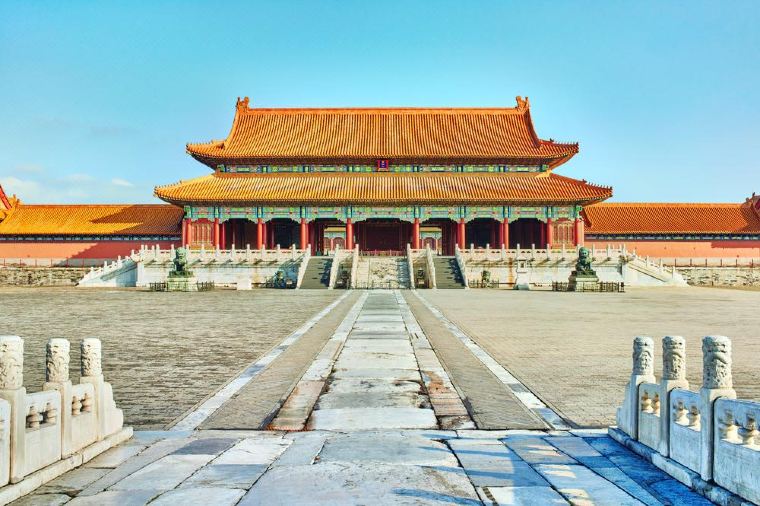
Exploring Beijing through its transport system is an adventure in itself—from squeezing into a crowded subway during peak hour to gliding quietly through a historic hutong on a rickshaw. Sure, it’s not always as seamless as back home in Singapore or Malaysia, but that’s part of the charm. 🚇🚴♀️
The best way to enjoy Beijing? Mix it up. Take the metro for speed, try a bike ride for fun, and hop in a cab when your feet give up. With the right apps and mobile data (get the best eSIM for China), it’s all surprisingly manageable.
Ready to keep planning? Check out:
👉 Get Trip.com Exclusive Offers
👉Download the Trip.com App Now!
FAQs: Everything You Need to Know Before Visiting Beijing
-
What’s the best way to get around Beijing?
-
Is Beijing safe for tourists?
-
What’s the best neighborhood to stay in
-
What’s the best local food to try in Beijing?
-
What’s a common tourist mistake in Beijing?
-
Do I need cash, or can I use a credit card everywhere?
-
Is tipping expected in Beijing?