

Essential Beijing Travel Tips for Malaysian Tourists


Planning a trip to Beijing soon? 🧳 You're in for something really special! For many Malaysians, Beijing hits that perfect travel sweet spot — full of rich history 🏯, stunning landmarks like the Great Wall 🏞️, authentic Chinese street food 🍜, and of course, plenty of shopping 🛍️ whether you're bargain-hunting at Panjiayuan Market or exploring modern malls around Sanlitun.
Now, we know Malaysian travelers are usually pretty seasoned ✈️—used to hopping between cities like Bangkok, Seoul, or Tokyo. But China (and especially Beijing) has its own set of travel quirks. From using QR codes for everything (seriously, everything) 📱, to navigating a few language barriers 🗣️ and getting used to cashless payments via WeChat Pay or Alipay 💳, there are a few things that work a little differently here. Even basic things like hailing a ride or finding your hotel 🏨 can feel a bit unfamiliar if you’re not prepped.
That’s where this guide comes in. We’ve packed it with practical tips you’ll actually use on the ground—from how to get connected with an eSIM 📶, to understanding local etiquette 🙏, figuring out transportation 🚇, and knowing which apps to download before you even board your flight. Whether you’re hunting for the best flights to Beijing ✈️ or browsing hotels in Beijing 🏨, this guide is made with Malaysian travelers in mind: simple, no-fluff advice that helps you travel smarter.
So, ready to make the most of your Beijing trip? Let’s jump into the travel tips and get you all set for your China adventure! 🧭🎒
Language & Communication Tips in Beijing
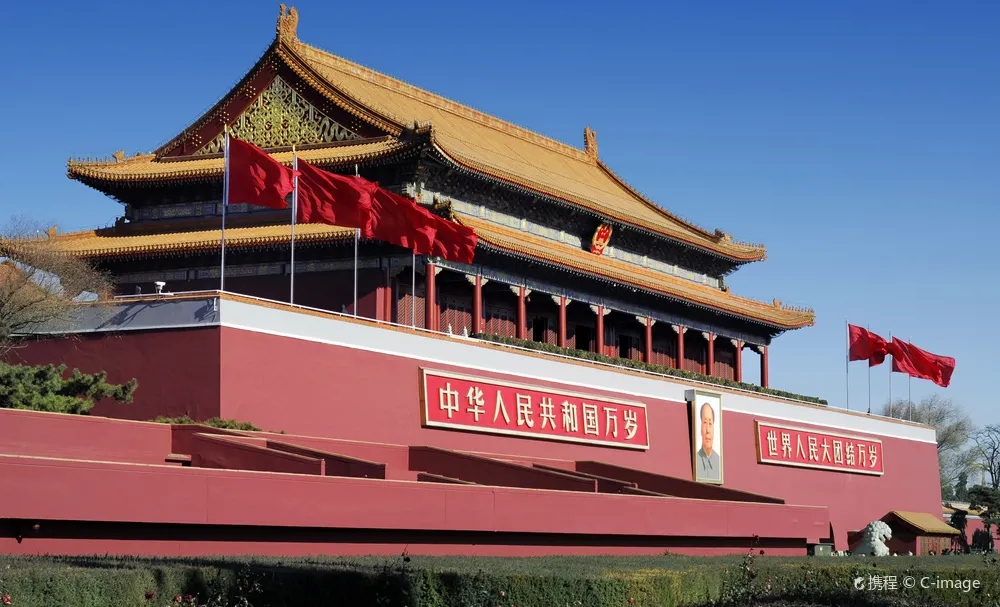
In Beijing, the main language spoken is Mandarin Chinese (Putonghua / 普通话). Most locals, especially in markets or small eateries, speak little to no English. That said, younger people in urban areas and staff at international hotels may understand basic English.
Compared to Malaysia — where English is widely used — you might find communication a bit more challenging here, especially outside tourist zones. But no worries! With a little preparation (and lots of pointing 😄), you’ll get by smoothly.
📱 Handy Translation Apps for Beijing
Here are a few apps that’ll make communication easier:
- Google Translate 🈶 – Great for text and photo translation, but access may be restricted in China unless you’re using a VPN.
- Baidu Translate 📱 – A solid local alternative. Works well for Mandarin and includes voice and camera features.
- Pleco 🐉 – Excellent offline Chinese-English dictionary, especially useful for reading menus or signs.
- Papago – Good for basic translations and supports image text too, though not as widely used in China.
💡 Download these before your trip, and ensure offline mode is available where possible.
🙋♂️ Cultural Communication: What’s Normal in Beijing?
People in Beijing usually communicate directly, but tend to be polite and formal with strangers. Don’t be surprised if shopkeepers sound a bit brisk — it’s not rude, just efficient!
Here are a few things to keep in mind:
- Volume: Locals may speak a bit louder than Malaysians are used to — it’s totally normal and not aggressive.
- Gestures: Avoid pointing directly at people and try to use your whole hand instead of a finger 👋.
- Respect: A slight nod or smile goes a long way. Locals appreciate effort in speaking a few words of Mandarin!
🗣️ Useful Mandarin Phrases for Travelers
| English Phrase | Local (Simplified Chinese) | Romanization | When to Use |
|---|---|---|---|
Hello | 你好 | Nǐ hǎo | When greeting someone politely 👋 |
Thank you | 谢谢 | Xièxiè | After receiving help or service 🙏 |
Where is the toilet? | 厕所在哪里? | Cèsuǒ zài nǎlǐ? | Asking for the restroom 🚻 |
I don’t understand | 我听不懂 | Wǒ tīng bù dǒng | If someone speaks too quickly 😅 |
How much is this? | 这个多少钱? | Zhège duōshǎo qián? | While shopping or bargaining 🛍️ |
I’m from Malaysia | 我是马来西亚人 | Wǒ shì Mǎláixīyà rén | For friendly introductions 🇲🇾 |
Can you speak English? | 你会说英语吗? | Nǐ huì shuō Yīngyǔ ma? | When asking for help in English 🗣️ |
Sorry / Excuse me | 对不起 / 请问 | Duìbùqǐ / Qǐngwèn | For polite interruptions |
I want this | 我要这个 | Wǒ yào zhège | When ordering or pointing to something |
Goodbye | 再见 | Zàijiàn | When leaving or saying goodbye 👋 |
✅ Final Travel Language Tips
- 📸 Screenshot your hotel address in Chinese — it’s a lifesaver when showing it to taxi drivers or asking for directions.
- 🧾 Carry a bilingual card or note that says basic things like “I’m allergic to peanuts” or “Please call this number.”
- 📱 Use the camera feature in your translation app to read menus or signs — super handy when there's no English version.
With a little effort and a lot of curiosity, you’ll find that Beijing is incredibly welcoming—even if you don’t speak the language fluently. Happy exploring! 🏮✈️
Top Things To do In Beijing
 6687 ditempah


![Lawatan Sehari ke Tembok Besar Mutianyu Beijing [Sewaan Peribadi VIP◆Pengangkutan Pintu ke Pintu/Termasuk Tiket Masuk Tiada Beli-belah]](https://ak-d.tripcdn.com/images//0580u12000mzn0c4q2CAB_C_568_320.jpg)


![Beijing fotografi pelancongan Taman Beihai [8 cawangan di Beijing · pakaian Han + dandanan/pelbagai pakej boleh dipilih]](https://ak-d.tripcdn.com/images//0586012000rf58x2mFB8B_C_568_320.jpg)
Payment Methods & Popular Apps in Beijing

✅ Cash vs. Card vs. Mobile Payments
- Cash (RMB) 💵 is still accepted everywhere, but it's slowly being phased out in many places. Street vendors, taxis, and smaller shops may prefer digital payments—but will still take cash if needed.
- Credit/Debit Cards 💳 are not as widely accepted as in Malaysia. Some big hotels, upscale restaurants, and international chains will accept Visa or Mastercard, but most local businesses do not have card terminals.
- Contactless (Apple Pay, Google Pay, Samsung Pay) ❌ generally do not work in China unless linked to a Chinese bank account.
- Pro tip: Many shops only accept QR code payments, so scanning via mobile apps is the norm. Even at convenience stores and taxis! 🚕
✅ Mobile Wallets & Local Apps
- Alipay (支付宝) and WeChat Pay (微信支付) are everywhere. From paying for coffee ☕ to public transport 🚇, these apps are China’s payment backbone.
- The good news? Foreigners can now register for both apps using a Malaysian credit or debit card, though setup takes a few minutes.
- You’ll need to verify your passport and link your card. Once that’s done, you can top up and pay like a local with just a QR scan! 📱✅
✅ Bank ATMs & Currency Exchange
- ATMs are easy to find in malls, banks, and airports. Most accept international cards (look for UnionPay, Visa, Mastercard logos), but fees vary (around RM10–RM20 per withdrawal).
- Money exchange is available at major airports, banks, and currency exchange counters—but rates can be better in the city than at the airport.
- Always use ATMs attached to actual bank branches for safety, and cover the keypad when entering your PIN 🔐
- Most travelers bring some RMB cash to start and rely on Alipay or WeChat Pay after setup.
✅ Popular Everyday Apps in Beijing
| App Type | App Name | Notes / Use Case |
|---|---|---|
E-Wallet | Alipay / WeChat Pay | Main payment methods, accepted almost everywhere |
Ride-Hailing | Didi | China’s version of Grab—book taxis or private cars 🚗 |
Delivery | Meituan / Ele.me | Food & groceries delivered to your door 🍱 |
Messaging | Essential for chatting, paying, and staying connected 💬 | |
Navigation | Baidu Maps / AutoNavi | Best for local directions (Google Maps is limited) 🗺️ |
💡 Pro Tips Before You Go
- 📲 Download all your apps before arriving in China—Google services are restricted, and app stores may behave differently.
- 📶 Activate your eSIM or local SIM early to receive verification codes during wallet setup.
- 💸 Keep some small RMB notes handy, especially for local food stalls or areas with weak network signal.
- 🎁 Some tourist SIMs include discounts for apps like Didi or Meituan—ask when purchasing!
Once you’ve got your digital wallet and a few apps ready, Beijing becomes super easy to navigate. Enjoy exploring the city like a local! 🧭🏙️
Kuala Lumpur to Beijing Flight
- Pergi Balik
- Sehala
 KUL16:1020j 35mTanpa hentiPKX12:45Kuala Lumpur - Beijing|Rab, 28 Okt|China Southern AirlinesPKX20:0017j 40mTanpa hentiKUL13:40Beijing - Kuala Lumpur|Sel, 3 Nov|China Southern AirlinesUS$ 225US$ 26415% offCari15% offUS$ 264US$ 225
- KUL14:4519j 55mTanpa hentiPKX10:40Kuala Lumpur - Beijing|Sel, 27 Okt|China Southern AirlinesPKX20:0017j 40mTanpa hentiKUL13:40Beijing - Kuala Lumpur|Isn, 2 Nov|China Southern AirlinesUS$ 225US$ 26415% offCari15% offUS$ 264US$ 225
- KUL14:4523j 55mTanpa hentiPKX14:40Kuala Lumpur - Beijing|Sab, 31 Okt|China Southern AirlinesPKX20:0017j 40mTanpa hentiKUL13:40Beijing - Kuala Lumpur|Sel, 3 Nov|China Southern AirlinesUS$ 227US$ 26414% offCari14% offUS$ 264US$ 227
 KUL13:0023j 55mTanpa hentiBJS14:00Kuala Lumpur - Beijing|Mon, Sep 6|Normal Airline
 BJS13:0023j 55mTanpa hentiKUL14:00Beijing - Kuala Lumpur|Mon, Sep 6|Normal AirlineCari Penerbangan LainCari Penerbangan Lain
Tipping & Service Etiquette in Beijing

If you're visiting Beijing and wondering whether to tip — you're not alone. For Malaysians, tipping may not be second nature. In China, including Beijing, tipping is generally not expected and is even considered unusual in many everyday situations. In fact, some locals might politely refuse a tip because service is viewed as part of the job, not something that needs extra reward.
That said, things are slowly changing in more tourist-facing areas, and a small gesture of appreciation is sometimes welcomed—but never required.
✅ Where and How Much to Tip
| Service | Tipping Guide |
|---|---|
🏨 Hotels | Bellboys: 5–10 RMB for helping with heavy bags. Housekeeping: optional, ~10 RMB/day left on the bedside table. |
🍽️ Restaurants | No tipping expected, especially at local eateries. High-end or Western restaurants may add a 10% service charge automatically. If not, rounding up a few RMB is okay. |
🚕 Taxis / Ride-hailing | Tipping is not customary. Most people pay the exact fare via app or cash. Rounding up is fine but not expected. |
💇♂️ Salons / Spas | Tipping is rare. If you’re at a premium spa or hotel massage service and feel the service was exceptional, a 10–20 RMB tip can be offered directly. |
✅ How to Tip in Beijing
- Cash only 💵 — Tips are usually handed directly to the person (with both hands is polite).
- No envelopes or formalities needed — just a small thank you and a smile 😊.
- Digital tipping via apps like Alipay or WeChat Pay is not commonly used for tipping; these are for payments only.
- If someone refuses your tip, don’t insist — it’s often a sign of politeness or pride in their work, not offense.
🎎 Local Nuance to Know
Avoid tipping with coins 🪙 — paper notes are seen as more respectful. Also, tipping too much can sometimes cause confusion or discomfort, especially in non-tourist areas where it’s very uncommon. Keep it small and sincere.
✅ Pro Tips & Wrap-Up
If you're ever unsure, rounding up slightly or just saying a warm "thank you" (谢谢 – xièxiè) is more than enough 🙏. Locals don’t expect big tips, and your appreciation will be felt with even a small gesture.
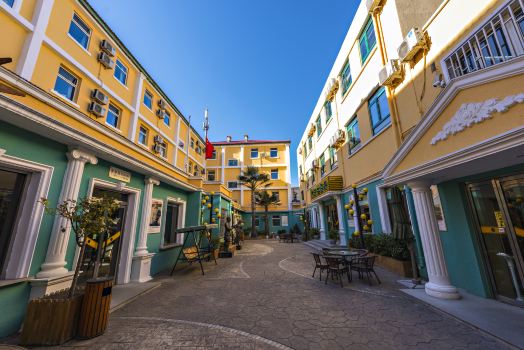
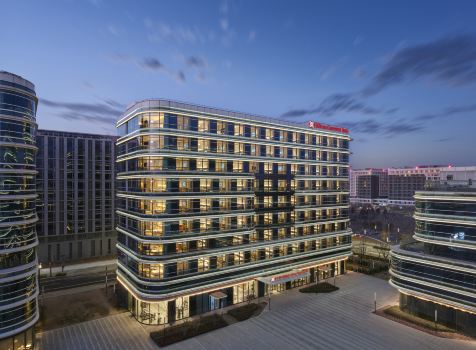
Recommended Hotels In Beijing





Safety & Emergency Info in Beijing
✅ Top Safety Tips for a Smooth Trip
- 👜 Be alert in busy areas like markets, train stations, and tourist sites—pickpockets target distracted visitors.
- 🚕 Use official ride apps like Didi instead of hailing random taxis—fares are more transparent and safer.
- 💍 Avoid flashing valuables like designer bags or expensive jewellery, especially in crowded spaces.
- 🌙 Stick to well-lit areas at night—Beijing is generally safe, but it’s still wise to avoid dark alleys or unfamiliar shortcuts.
- 📱 Carry a copy of your passport and hotel card—it’s handy in case you need directions or face a checkpoint.
🚨 Emergency Contacts in Beijing
| Emergency Type | Local Number | Notes |
|---|---|---|
👮 Police | 110 | For theft, scams, or suspicious activity |
🚑 Ambulance | 120 | Public hospitals may require upfront payment |
🚒 Fire Department | 119 | Rarely needed, but important to keep in mind |
☎️ Tourist Helpline | 12301 | English-speaking service in some cities (incl. Beijing) |
📝 Tip: If calling from a foreign phone, dial +86 before the number.
🏥 Medical Access & Pharmacies
Clinics and hospitals are widely available in Beijing. Major hospitals often have international departments with English-speaking staff, especially around expat areas like Chaoyang. Pharmacies are also common, but staff may not speak English and packaging will often be in Mandarin.
🧳 Pack a small travel health kit with essentials:
- Paracetamol or fever medicine
- Motion sickness tablets
- Basic stomach meds and plasters
💡 Local pharmacies like Tong Ren Tang are reputable but bring a translation app to show symptoms or medication names.
🧭 Cultural Notes for Safer Travel
Locals in Beijing are generally helpful and polite, even if there’s a language barrier. Don’t be surprised if someone walks with you to show directions. Public disputes or confrontations are rare—people value harmony and social order.
If you ever feel unsure, calmly ask hotel staff, security guards, or approach someone in uniform—they’re usually willing to assist.
👍 Final Reassurance
Beijing is a safe and well-policed city for Malaysian travelers. As long as you follow basic safety habits and stay aware of your surroundings, you’ll enjoy a smooth and memorable trip. 🌟
Travel smart, stay calm, and enjoy discovering all that Beijing has to offer! 🏯✨
3GB/day 3 Days
- Data3GB Daily
- Validity3 Days
- PriceFrom RM17.83
20GB 5 Days
- Data20GB
- Validity5 Days
- PriceFrom RM37.57
20GB 7 Days
- Data20GB
- Validity7 Days
- PriceFrom RM40.72
Cultural Etiquette & Local Customs in Beijing

✅ General Cultural Vibe
In public, people in Beijing tend to be polite but reserved—especially with strangers. Locals value order, respect, and social harmony, so you’ll notice people usually speak at a moderate volume and avoid causing public scenes. Direct confrontation is uncommon, and maintaining face (reputation) is important. Good manners go a long way here! 😊
✅ Etiquette Do’s & Don’ts
✅ Do’s | ❌ Don’ts |
|---|---|
🤲 Use both hands when giving or receiving gifts, documents, or money. | 🙅♂️ Don’t point with your finger—use an open hand instead. |
👟 Remove shoes before entering someone’s home. | 🦶 Don’t point your feet at people or religious symbols. |
🧍 Stand respectfully in queues and public places. | 💏 Avoid public displays of affection—it’s seen as inappropriate. |
📱 Speak quietly in public spaces like trains or museums. | 🙅♀️ Don’t touch someone’s head—it’s considered very personal. |
🙇 Show appreciation with a slight nod or smile when greeting someone. | 😠 Don’t raise your voice—calm tones are preferred in conflict. |
🍽️ Dining Etiquette in Beijing
Meals in Beijing are often served family-style, with shared dishes placed in the center. It’s polite to wait for the host to begin eating first, especially during formal or hosted meals.
🍜 Tips to dine respectfully:
- Use chopsticks properly: Don’t stick them upright in rice (it resembles funeral rituals).
- Don’t reach across the table—ask politely or wait for a dish to be passed.
- Slurping is okay with noodles and soup—it shows you’re enjoying it!
- If offered alcohol, a light toast with a “gānbēi” (干杯) is appreciated 🍶.
👗 Dress Code & Body Language
Beijing is a modern city, but modesty is still respected, especially in temples, older neighborhoods, or rural day trips.
- 🛕 Cover shoulders and knees when visiting religious sites.
- 🤐 Avoid overly revealing clothes in conservative settings.
- ✋ Don’t beckon with your palm facing up—turn it downwards or use a subtle wave.
- 🙌 Avoid exaggerated gestures or touching strangers casually.
🤝 Interaction Norms
- A polite nod or light handshake is standard when meeting someone.
- Locals may seem shy at first, but many are curious and friendly.
- Small talk is common when getting to know someone—topics like food, hometowns, or culture are safe and welcomed.
- Avoid sensitive topics like politics or religion unless you're very familiar with the person.
💡 Cultural Curiosity Note
Locals in Beijing genuinely appreciate it when visitors try to follow local customs—even a simple “nǐ hǎo” (你好, hello) can spark a smile 😊. Don’t worry about being perfect—the effort matters more than the accuracy.
Public Holidays & Travel Seasons in Beijing
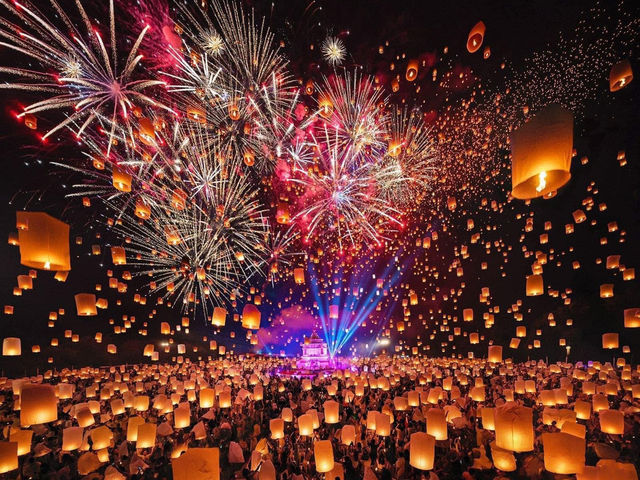
Planning ahead for your Beijing trip? Smart move! As a Malaysian traveler, you’ll want to be aware of China’s major public holidays, which can seriously impact travel plans—with busy crowds 🚶♂️, sold-out trains 🚆, and higher hotel prices 🏨.
✅ Key Public Holidays to Know
- Lunar New Year (春节) 🧧 – Usually in late Jan or Feb. Expect nationwide celebrations, closed shops (except major malls), packed transport hubs, and big family gatherings. Festive but hectic!
- Golden Week (National Day, Oct 1–7) 🎉 – One of the busiest weeks for domestic travel. Attractions, trains, and flights are extremely crowded—best avoided unless you enjoy the energy.
- Qingming Festival (Tomb Sweeping Day, early April) 🧹 – A quieter cultural holiday with family visits to graves. Some closures possible, but minimal impact on tourism.
✅ Travel Impact & Local Customs
- 🚆 Transport is fully booked weeks in advance during major holidays—especially for trains and intercity buses.
- 🏨 Hotel rates spike in popular areas like Wangfujing or near the Forbidden City.
- 🚪 Museums and smaller businesses may close, especially during Lunar New Year.
- 🛕 Temples and cultural spots get extra busy during holidays—great for soaking in local traditions, but prepare for crowds.
🎭 Worth experiencing? Yes—if you're interested in festivals and don’t mind the rush. For quieter sightseeing, avoid these periods.
✅ When to Visit Beijing
- High season: Spring (April–May) and Autumn (Sept–Oct) 🍂—great weather, beautiful parks, but busier.
- Shoulder season: Early summer (June) and late autumn (early Nov)—mild crowds and decent deals.
- Low season: Winter (Dec–Feb) ❄️—cold but quiet; great for off-peak savings and temple visits.
eSIM, Wi-Fi & Connectivity in Beijing

Staying connected in Beijing is essential—whether you're navigating the subway 🚇, translating menus 📱, or booking a Didi ride. For Malaysian travelers who are already tech-savvy, choosing between an eSIM or local SIM comes down to convenience, app access, and VPN needs. Let’s break it down so you can hit the ground running.
✅ eSIM vs Local SIM: What Works Best?
For short trips, eSIMs are the most hassle-free option—no need to hunt for kiosks or fumble with SIM trays. China’s major telcos now support eSIMs for tourists, and some providers even let you activate your plan before arrival via app or through platforms like Trip.com.
Local physical SIMs still work well and often offer slightly cheaper data if you don’t mind queuing or registering with your passport.
🔄 Quick comparison:
- eSIM = Instant setup, no hardware swap, great for dual-SIM users 📲
- Physical SIM = Lower price, more local control, but needs registration 🪪
✅ Best SIM Providers in China
Provider | Highlights |
|---|---|
China Unicom 🇨🇳 | Tourist SIMs with good 4G/5G coverage in cities like Beijing |
China Mobile 📶 | Strongest nationwide coverage, great for trips beyond Beijing |
China Telecom 📱 | Reliable urban performance; some eSIM support |
All major telcos offer prepaid tourist packages, often with 7–15 days of data, local calls, and easy top-up options.
✅ Where to Buy Your SIM or Activate eSIM
- 🛬 At Beijing Capital or Daxing Airport: Look for official telco counters in arrivals—passport required.
- 🏪 City outlets & convenience stores: Some 7-Eleven and mobile shops also sell prepaid SIMs.
- 📲 Online (e.g., Trip.com): The easiest option—choose your plan, activate your eSIM for China, and skip the airport queue entirely.
3GB/day 3 Days
- Data3GB Daily
- Validity3 Days
- PriceFrom RM17.83
20GB 5 Days
- Data20GB
- Validity5 Days
- PriceFrom RM37.57
20GB 7 Days
- Data20GB
- Validity7 Days
- PriceFrom RM40.72
✅ Wi-Fi & Internet Access in Beijing
- 🏨 Hotels and cafes usually offer free Wi-Fi, but it can be slow or require login codes.
- 🚇 Some subway lines have public Wi-Fi, though not always reliable during rush hours.
- 🔐 Important: Popular apps like Google, WhatsApp, Instagram, and Facebook are blocked in China. You’ll need a VPN to access them—download one before arriving.
💡 Smart Travel Tips
- 🗺️ Download offline maps (like Baidu Maps or AutoNavi) before landing—they work better than Google Maps in China.
- 🌍 Keep a pocket Wi-Fi as backup if you're heading to more remote spots or sharing data across multiple devices.
- 📱 Trip.com also offers eSIM for China—perfect if you want a stress-free connection from the moment you land.
Final Travel Advice for Beijing

So—you’re all set for your Beijing adventure! 🧳 With the tips above, Malaysian travelers like you can confidently explore the city’s rich history, buzzing modern life, and everything in between. From knowing when (and when not) to tip 💵, to which apps to download for smooth transport or translation, these small details really help you travel like a pro.
Beijing is just the beginning. Every region in China—from the ancient streets of Xi’an to the canals of Suzhou—has its own unique character and pace. Part of the joy of traveling here is noticing those little cultural touches and local flavours that vary from one place to the next. Stay curious and open—you’ll love it. 🌏
If you’re still finalising your plans, don’t forget to check out:
✈️ flights to China for the best routes and prices
🏨 hotels in Beijing to find a stay that fits your style
📍 Things to Do in Beijing so you don’t miss any highlights
👉 Get Trip.com Exclusive Offers
👉Download the Trip.com App Now!
Have a great trip, and enjoy every moment of your adventure in Beijing! 🌟
FAQs: Everything You Need to Know Before Visiting Beijing
-
What’s the best way to get around Beijing?
-
Is Beijing safe for tourists?
-
What’s the best neighborhood to stay in
-
What’s the best local food to try in Beijing?
-
What’s a common tourist mistake in Beijing?
-
Do I need cash, or can I use a credit card everywhere?
-
Is tipping expected in Beijing?