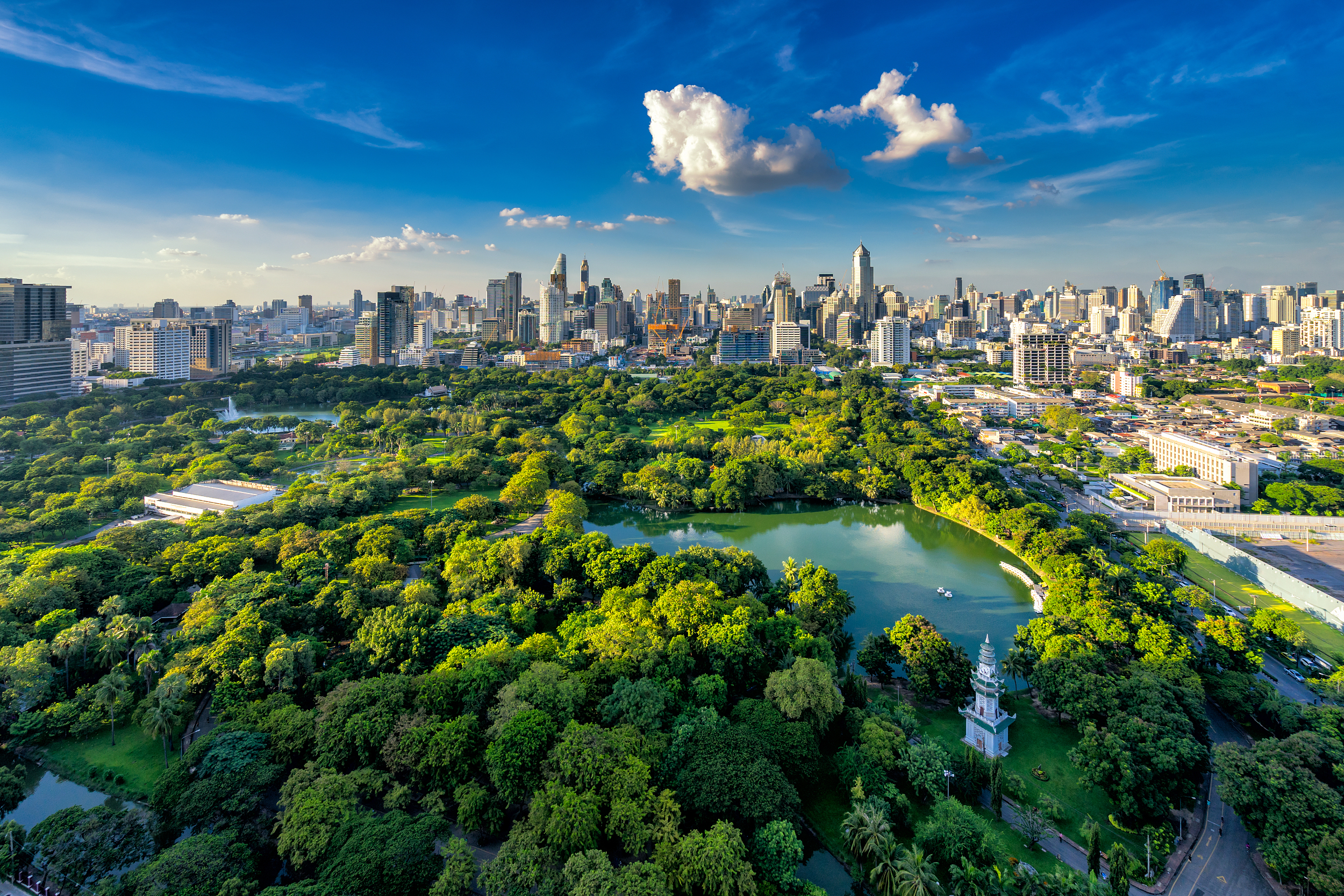
Travel to Bangkok
Bangkok, the capital of Thailand, is a city where rich traditions intertwine with contemporary dynamism. From its golden temples and bustling markets to sleek skyscrapers and high-end shopping malls, Bangkok is a captivating blend of old and new. Full of life, energy, and flavor, it’s a city that never stops surprising, offering both a glimpse into history and a taste of the future.
Book Flight to Bangkok✈️Grab latest Trip.com Travel Promos!
Enjoy savings on your next adventure with Trip.com by taking advantage of promotional codes, coupons, flight offers, and hotel discounts.
Latest Trip.com Promo CodesBangkok Travel Guide
Explore top attractions, activities, and experiences in Bangkok.
-
 Weather & TemperatureExperience Bangkok's changing seasons—from cool, dry season to hot, humid season—so you'll know exactly how to pack, plan, and make the most of every moment.
-
 Staying ConnectedGet the best Thailand eSIM plan for hassle-free travel with high-speed 4G/5G data, compatible with iPhone, Samsung, and more. 30-day visa-free Thailand eSIM plans are also available.
 -
 Public HolidayPlan your Bangkok trip with Thailand Public Holidays 2025 guide. Get the complete list of dates, significance, and travel tips for spending your holidays.
 -
 Visa RequirementsDiscover the latest Thailand visa-free policies and Thailand visa requirements for Malaysian. Find out when you need a visa, how to apply, and travel tips to Thailand!
 -
 Things to DoExplore the best things to do in Bangkok. Discover top activities, hidden gems, and local experiences to make your trip unforgettable.
 -
 What to EatDiscover must-try local dishes like pad thai, green curry, and mango sticky rice—Bangkok food at its finest, served at vibrant street stalls and iconic local restaurants.
 -
 Where to GoDiscover the top places to visit in Bangkok—from the majestic Grand Palace and serene Wat Pho to bustling street markets and riverside cafés—offering a perfect mix of stunning temples, vibrant street food, and local charm.
 -
 What to BuyExplore top shopping spots and unique souvenirs. Shop local, discover style—Bangkok’s streets are full of surprises.
 -
 Best Time to VisitFind out the best time to visit Bangkok, including Bangkok weather, seasons, tips and more.
 -
 Airport to City CentreDiscover the best ways to get from Bangkok Airport to city centre. Whether you're taking the bus, metro, taxi, or airport shuttle, find the most convenient way for your trip!
 -
 Getting AroundDiscover how to get around Bangkok easily, including metro tips, buses, ferries, cruises, ride-hailing, and more for tourists.
 -
 Where to StayExplore top areas with the best hotels, unique experiences, and top attractions in Bangkok.
 -
 PlugsFind everything you need to know about Thailand power plug, voltage, adapters, and travel tips. Stay charged with Thailand power plug!
 -
 Day ToursPlan your perfect Bangkok guided day tour and experiences. Discover top attractions, the best things to do and helpful travel tips for a memorable trip!
 -
 ItineraryPlan your ultimate Bangkok itinerary! Explore top things to do, food, shopping and more.
 -
 Travel TipsValuable insights and practical tips to help you navigate your travels with ease and make the most of every experience.
Plan Your Trip
Find cheapest flight and a great place to stay in Bangkok!

Flights to Bangkok
Whether you're looking for one-way or round-trip options, compare airfares to discover the best flights and deals to Bangkok.

Hotels in Bangkok
Save big on the best Bangkok hotels with good rates, real reviews, and premium customer service!

Things to do in Bangkok
Planning to travel to Bangkok? Use Trip.com to discover top things to do across any areas in Bangkok!
Hotels Near Chao Phraya
Recommended hotels near Chao Phraya for easy access to nearby attractions.
Hotels Near Platinum Mall
Top family-friendly hotels located close to Platinum Mall.
Hotels Near Siam Square One
Stay near the shopping mall for easy access to transportation.
👑 Best of Bangkok
Explore top attractions, hotels and restaurants in Bangkok.
-
Top Family Attractions
A ranked list of must-see sights and experiences.
-
Top Hotels
Top-rated hotels selected for comfort, location, and quality.
-
Top Restaurants
Discover highly recommended dining spots and local favourites.
FAQs about Bangkok
What is the best time to visit Bangkok?
The ideal time to visit Bangkok is during the cool season, from November to February, when temperatures are more moderate and rainfall is minimal.Is Bangkok safe for tourists?
Yes, Bangkok is generally safe for tourists. However, it's advisable to stay vigilant against common scams, such as overcharging by taxis or unsolicited offers from strangers. Always use reputable services and be cautious of your surroundings.What is the local currency, and are credit cards widely accepted?
The local currency is the Thai Baht (THB). While major hotels, restaurants, and shopping centers accept credit cards, it's recommended to carry cash for small purchases, street food vendors, and markets. [ 1 MYR = ~7.6 THB ]What is the dress code for visiting temples?
When visiting temples, it's important to dress modestly. Both men and women should cover their shoulders and knees. Avoid wearing sleeveless shirts, shorts, or revealing clothing. Some temples provide cover-ups for a small fee if you're not appropriately dressed.How can I get around the city?
Bangkok offers various transportation options, including the BTS Skytrain, MRT subway, taxis, tuk-tuks, and river ferries. The Skytrain and MRT are efficient for avoiding traffic, while river ferries provide a scenic route to certain attractions. Taxis and tuk-tuks are also available but ensure to negotiate fares or insist on using the meter.Is street food safe to eat?
Bangkok's street food is renowned for its flavor and variety. Generally, it's safe to eat, especially from vendors with high customer turnover, ensuring food freshness. However, if you have a sensitive stomach, start with cooked dishes and observe the vendor's hygiene practices.Do I need to tip in restaurants and for services?
Tipping is not mandatory in Bangkok but is appreciated. In restaurants, leaving loose change or rounding up the bill is customary. For exceptional service, a 10% tip is generous. For services like massages or guided tours, small tips are appreciated but not obligatory.What language is spoken, and will I face a language barrier?
The official language is Thai. In tourist areas, many locals speak basic English, especially in hotels, restaurants, and shops. Learning a few simple Thai phrases can enhance your experience and is appreciated by locals.Do I need any vaccinations before traveling to Bangkok?
While no vaccinations are required for entry into Thailand, it's recommended to consult with a healthcare provider about routine vaccinations and any additional ones based on your travel plans.Can I use my mobile phone in Bangkok?
Yes, international roaming is available, but it can be expensive. Purchasing a local SIM card upon arrival is a cost-effective option for data and local calls.What are some must-try dishes in Bangkok?
Bangkok offers a plethora of culinary delights. Some must-try dishes include Pad Thai (stir-fried noodles), Som Tum (green papaya salad), Tom Yum Goong (spicy shrimp soup), and Mango Sticky Rice.Are there any cultural etiquettes I should be aware of?
Yes, it's important to show respect for local customs. Always remove your shoes before entering someone's home or a temple. Avoid touching someone's head, as it's considered the most sacred part of the body. Public displays of affection are frowned upon, and it's polite to greet others with a wai, a slight bow with hands pressed together.What is the voltage and plug type in Bangkok?
Thailand uses a 220V supply voltage and the power plugs and sockets are of type A, B, C, F, and O. It's advisable to carry a universal adapter to ensure compatibility with your devices.Is bargaining acceptable in markets and shops?
Bargaining is common in markets and small shops. It's a friendly negotiation process, but always remain polite and respectful. Large department stores and malls typically have fixed prices.What should I do in case of a medical emergency?
Bangkok has numerous international-standard hospitals. In case of an emergency, dial 1669 for medical assistance. It's advisable to have travel insurance that covers medical expenses.