

Commonly Restricted Items Malaysians Often Bring by Mistake
Many items considered normal or popular souvenirs in Malaysia are strictly regulated at China customs. These items may be confiscated or destroyed on the spot.
To avoid disappointment and financial loss, pay close attention to the following categories.
Animal and Plant Products (Strict Quarantine Rules)
This is one of the most common problem areas. China enforces very strict quarantine rules to prevent pests and diseases.
Food containing meat or eggs
This is extremely important. Items such as:
- Meat floss products
- Sausages, jerky, or preserved meats
- Dumplings or pastries containing meat
- Mooncakes with salted egg yolk are prohibited or heavily restricted.
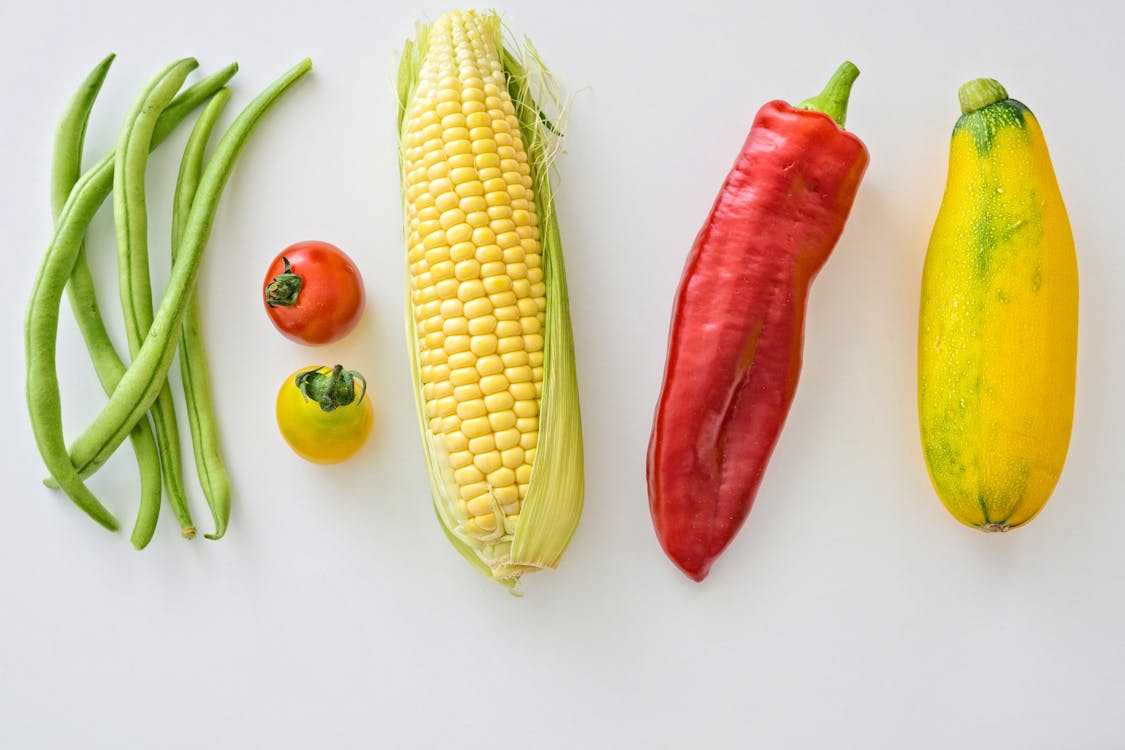
Fresh fruits and vegetables
Even high-quality fresh fruits from Malaysia (such as durian, mango, or mangosteen) are not allowed unless officially approved.
Other animal or plant products
Seeds, soil, animal specimens, or unprocessed plant products may require quarantine certificates.
Tobacco, Alcohol, and Cash Limits
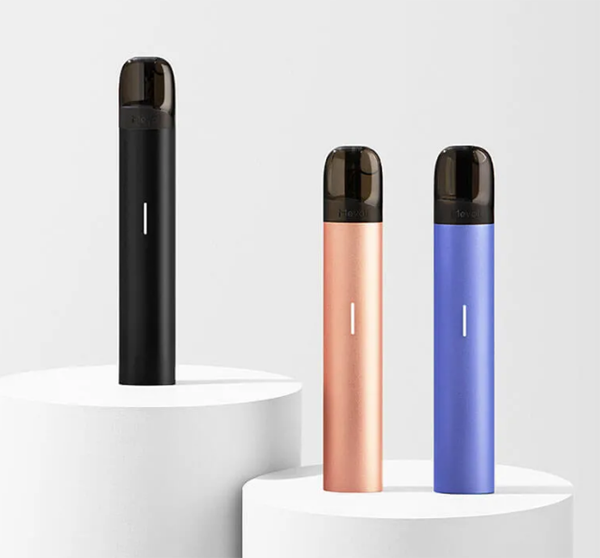
You may bring tobacco and alcohol for personal use, but quantity limits are strictly enforced.
- Tobacco and alcohol
Common duty-free limits include: - Cigarettes: up to 400 sticks
- Alcohol: up to 1.5 litres (for beverages above 12% alcohol)
Exceeding these limits requires declaration at the red channel and payment of duties.
- Cash and foreign currency
There are strict limits on the amount of RMB or foreign currency you can carry.
Any amount exceeding the permitted limit must be declared, or it may be considered an attempt to evade regulations.
马币旧钞100块- 抖音
Personal Medication and Medical Devices
Many Malaysians travel with long-term medication, which often causes anxiety.
- Prescription medication
Allowed if: - The quantity is reasonable for personal use (usually up to 3 months)
- You carry supporting documents such as a doctor’s prescription or medical certificate
- Medication containing controlled substances
Some common medicines (e.g. sedatives, strong painkillers, certain cold medicines) may contain ingredients classified as controlled substances in China.
Even with a prescription, extra caution is required. Check regulations in advance to avoid legal risks.