




Planning an exciting adventure to China from Malaysia? Whether you’re strolling through the Great Wall, discovering the charm of ancient cities, or enjoying modern marvels in Shanghai and Beijing, there’s one practical thing you won’t want to overlook — staying connected and powered up! 🔌⚡Before you pack your bags, it’s helpful to understand China’s plug types, socket systems, and voltage standards. After all, nothing dampens the mood like a phone with no battery and no way to charge it! Don’t worry — we’ve prepared this simple and handy guide just for Malaysian travellers, so you’ll know exactly what adapter to bring and how to charge your devices safely and easily in China. Let’s get started! 👇
Plug Types Used in China

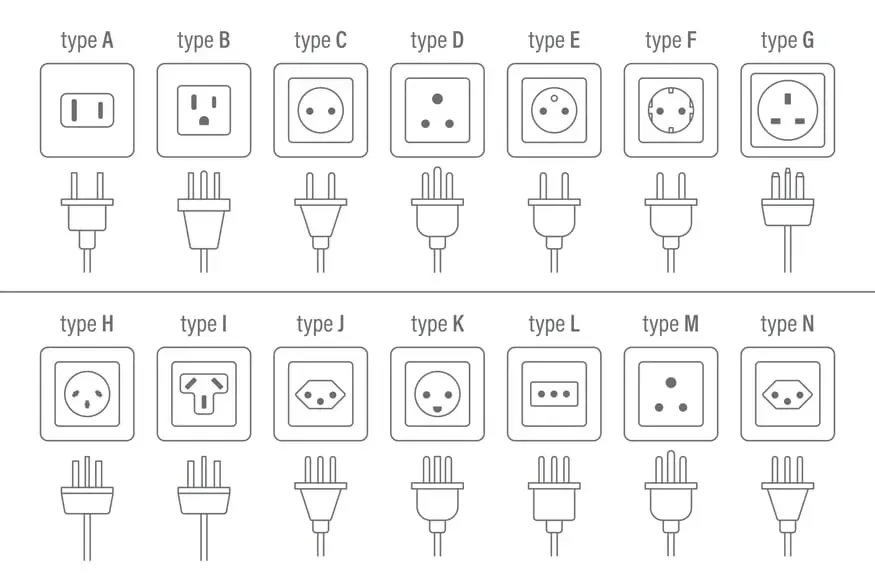
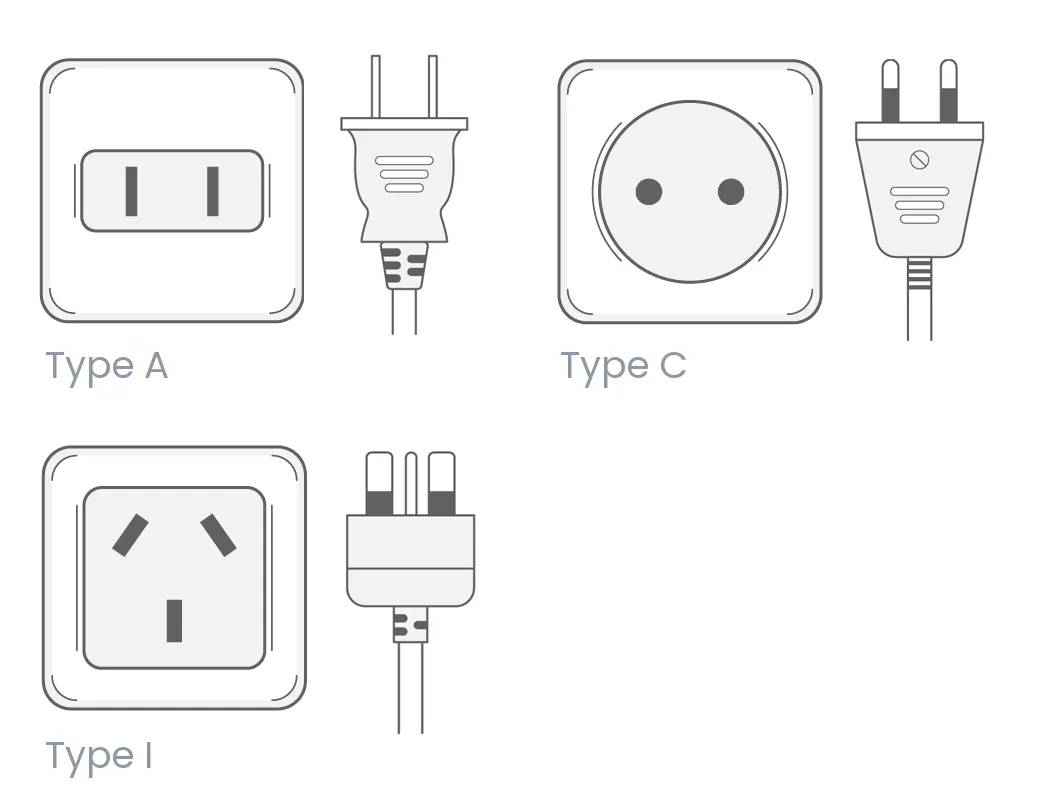
Image source: world-power-plugs.com
China's electrical system includes plug types that may differ from what travelers are used to in their home countries. The main plug types found in China include:
China plug type
| Plug Type | Description | Common Usage |
|---|---|---|
Type A | Two flat parallel pins | Common electronics; compatible with US & Japanese plugs |
Type I | Three flat pins in a triangle | Newer buildings and modern facilities; similar to Australia |
Type C | Two round pins | Often found in older buildings and some hotels; widely used in Europe |
Type A
Type A plugs feature two flat, parallel prongs. These are ungrounded and used for general electronics. They are also used in the US and Japan. However, because they are not grounded, they are not suitable for high-powered appliances.
Type I
Type I plugs have three flat pins arranged in a triangle, including a grounding pin, making them safer for higher voltage or sensitive devices. This type is similar to those used in Australia, New Zealand, and parts of the Pacific.
Type C
Type C plugs have two round pins and are one of the oldest types still in use. They are mostly found in older infrastructure. Like Type A, they are not grounded and are used for low-power devices.
Flight to Beijing
- Pergi Balik
- Sehala
- direct cheapest
KUL19:006j 15mTanpa hentiPKX01:15Kuala Lumpur - Beijing|Kha, 5 Mac|AirAsia X Berhad (Malaysia)
PKX02:306j 30mTanpa hentiKUL09:00Beijing - Kuala Lumpur|Sel, 10 Mac|AirAsia X Berhad (Malaysia)CAD 312CAD 36214% OFF14% OFFCAD 362CAD 312
KUL19:006j 15mTanpa hentiPKX01:15Kuala Lumpur - Beijing|Kha, 5 Mac|AirAsia X Berhad (Malaysia)
PKX02:306j 30mTanpa hentiKUL09:00Beijing - Kuala Lumpur|Ahd, 8 Mac|AirAsia X Berhad (Malaysia)CAD 333CAD 3628% OFF8% OFFCAD 362CAD 333
KUL16:4018j 30m1 hentianPEK11:10Kuala Lumpur - Beijing|Kha, 5 Mac|Air Macau
PEK19:3520j 5m1 hentianKUL15:40Beijing - Kuala Lumpur|Sel, 10 Mac|Air MacauCAD 297CAD 36218% OFF18% OFFCAD 362CAD 297
KUL1:00 PM3j 5mTanpa hentiBJS2:00 PMKuala Lumpur - Beijing|Fri, Dec 12|AirAsia X Berhad (Malaysia)
BJS1:00 PM3j 5mTanpa hentiKUL2:00 PMBeijing - Kuala Lumpur|Fri, Dec 12|AirAsia X Berhad (Malaysia)Cari Penerbangan LainCari Penerbangan Lain
Harga potongan adalah dikira berdasarkan harga purata laluan sepadan pada Trip.com.
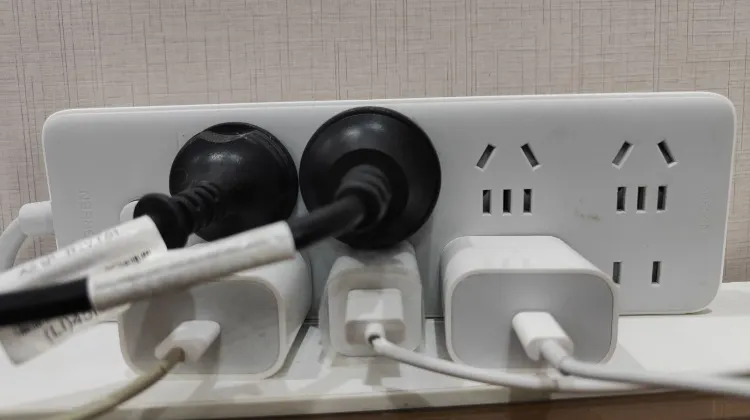
Standard Sockets in China

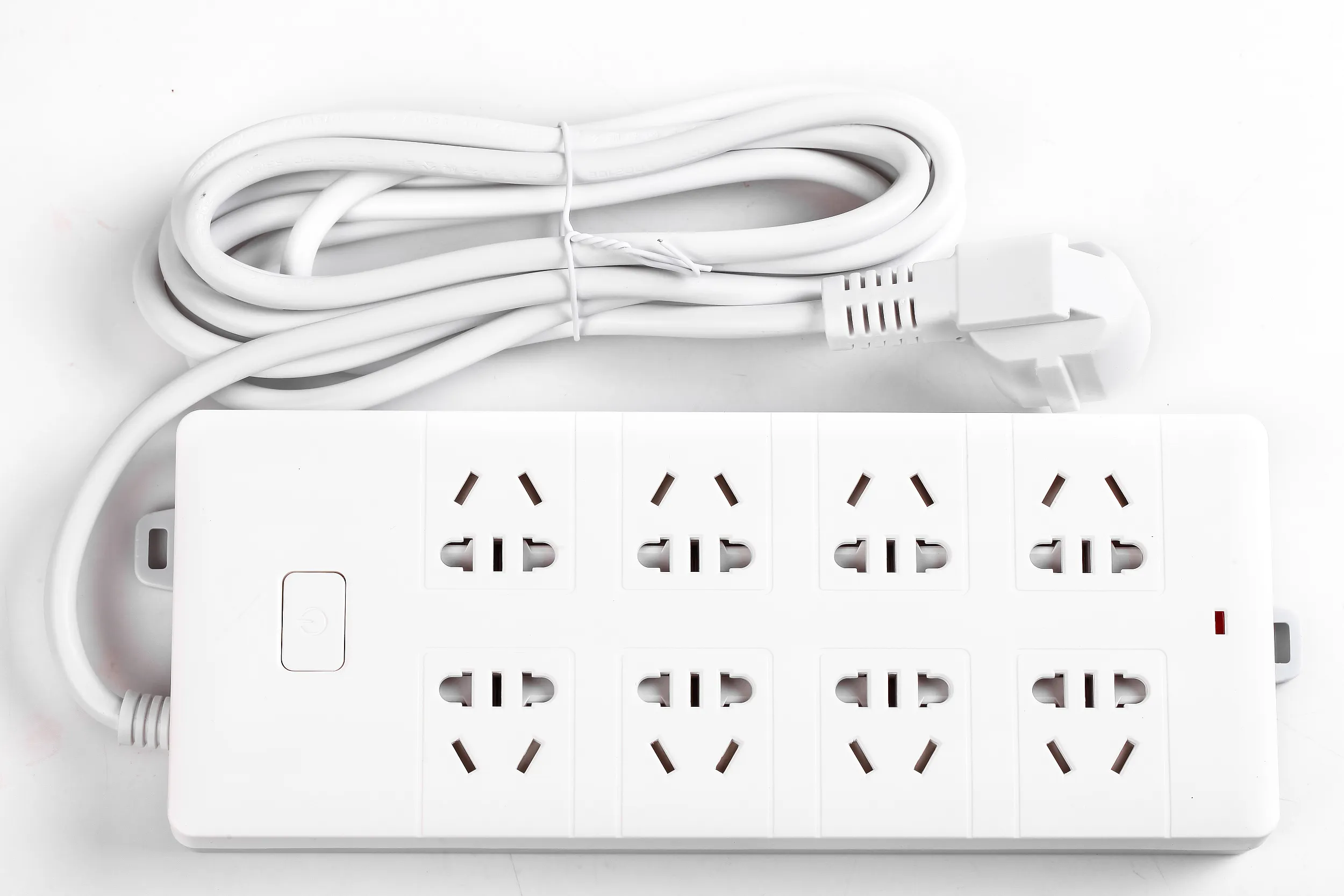
Standard Chinese sockets often support Type A or Type C plugs at the top, making them suitable for various international devices. The lower socket supports the grounded Type I plug configuration, designed for higher safety and compatibility with a range of devices.
Latest Trip.com Promo Code, Coupons, Flight Deals & Hotel Discounts for Malaysia
Latest Trip.com Flight Deals & Promotions for Malaysia
Latest Trip.com Credit Card Promo Codes, Deals, Coupons for Malaysia
Top Things To do In Beijing
Travel Adapters China

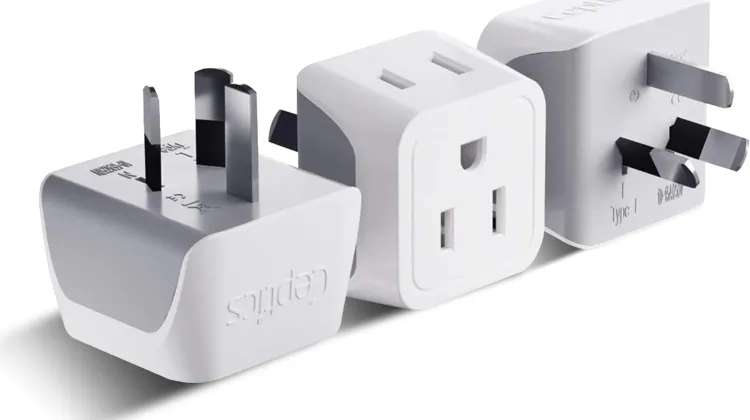
Source from Amazon
Why Buy Travel Adapters?
Chinese sockets primarily support national standard plugs like Type A and I. If your devices use other international standards (e.g., European, British, or American plugs), you’ll need a travel adapter.
🥰 Learn more about:
How to keep in touch in China:eSIM China
Where to Buy Travel Adapters?
In Malaysia:
- Electronics stores: Large chain stores like Senheng or Harvey Norman often carry travel accessories.
- Supermarkets/convenience stores: Chains like Tesco or AEON may have travel gear sections.
- Airport duty-free stores: KLIA and Penang Airport offer travel accessories at duty-free zones.
- Online platforms: Lazada and Shopee are popular in Malaysia; search for “China adapter plug.”
In China:
- Convenience stores/supermarkets: Chains like FamilyMart, Lawson, Wal-Mart, or Carrefour carry adapters.
- Hardware stores: Street hardware shops often stock various electrical accessories.
- E-commerce platforms: Use platforms like Taobao, JD.com, or Pinduoduo for wider choices.
China hotels & eSIMs
How to Use a Travel Adapter
1. For regular plug conversion:
- Ensure plug type matches
- Insert adapter into Chinese socket
- Plug your device into the adapter
2. For USB charging adapters:
- Connect power
- Charge your device via USB
❤️ Usage Tips:
- ✅ Safety Check: Inspect for damage (bent pins, cracks). Don’t use if damaged.
- ✅ Power Limit: Make sure your adapter handles the wattage of your device.
- ✅ Proper Removal: Turn off the device first, then pull out the plug carefully. Don’t pull by the cord.
Hotel Popular di Beijing
5 star
Business travel
Breakfast
Do I Need a Voltage Converter in China?
Malaysia uses 240V / 50Hz, while China uses 220V / 50Hz. Most Malaysian travelers do NOT need a voltage converter for standard low-power devices like phones, tablets, cameras, or laptops.

Charging Laptops in China
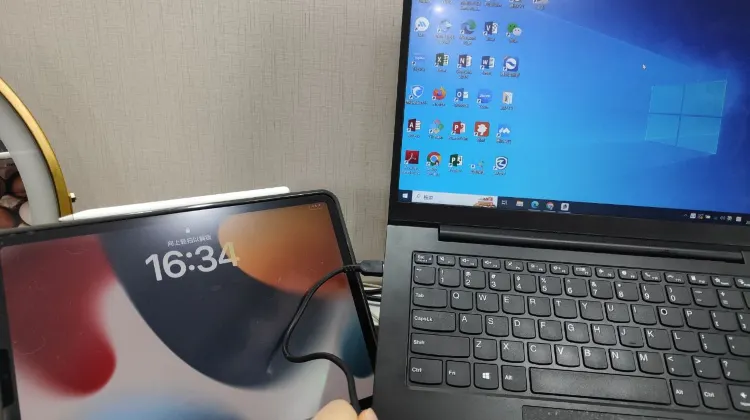
Most laptops have chargers that support 100V–240V, so they can be safely used in China without a voltage converter.

Charging Smartphones in China
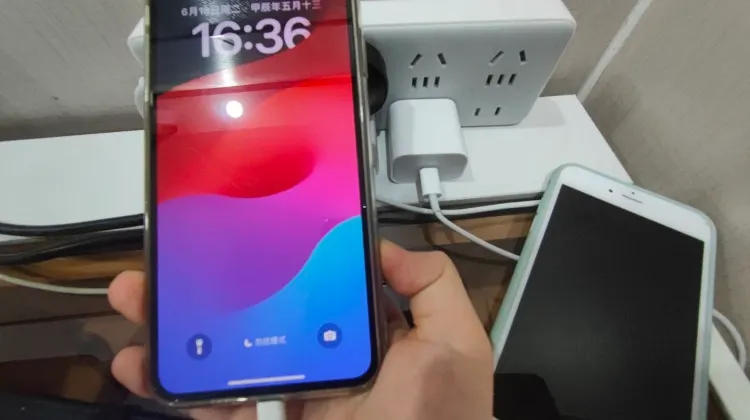
Smartphone chargers typically support 100V–240V. Just check the charger label. If it states “100–240V,” you can use it in China without a transformer — just make sure you have a compatible plug adapter.

Special Equipment May Require a Converter
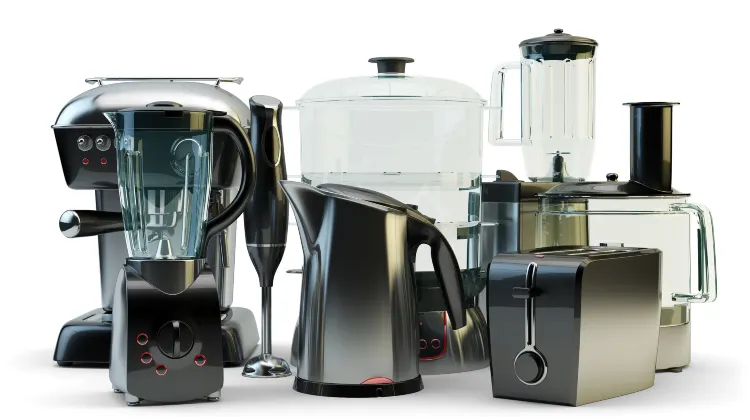
Some grooming tools (e.g., electric toothbrushes, hair dryers) or kitchen appliances may only support 240V. If not labeled “100–240V,” you’ll need a step-down transformer to avoid malfunction or damage in China.
What Voltage is Used in China?

China uses 220V at 50Hz — this is consistent across both urban and rural areas.
- Hong Kong: 220V
- Taiwan: 110V
If your device supports 220V or is dual-voltage (e.g., “100–240V”), it will work in China. Otherwise, a voltage converter is required.
China Attractions
Global Electrical Standards Overview

Globally, there are three main electrical standards for devices: 110-120V is used primarily in North and Central America, 220-240V is common in Europe, Asia, and Oceania, and these dual-voltage systems also differ in frequency, either 50 Hz or 60 Hz, and include different types of plugs specific to each region. Understanding these differences is important for using electronic devices safely when traveling internationally.
Asia & Oceania electrical standards
Country | Frequency (Hz) | Voltage (Volts) | Plug Type |
Australia | 50 | 230 | I |
China | 50 | 220 | A, C, I |
China (Hong Kong S.A.R.) | 50 | 220 | G |
India | 50 | 230 | C, D, M |
Indonesia | 50 | 230 | C, F |
Malaysia | 50 | 240 | G |
New Zealand | 50 | 230 | I |
Philippines | 60 | 230 | A, B, C |
Republic of Korea (South Korea) | 60 | 220 | C, F |
Singapore | 50 | 230 | G |
China (Taiwan) | 60 | 110 | A, B |
Thailand | 50 | 220 | A, B, C |
Vietnam | 50 | 220 | A, C |
North American and South American electrical standards
Country | Frequency (Hz) | Voltage (Volts) | Plug Type |
Argentina | 50 | 220 | C, I |
Brazil | 60 | 127/220 | C, N |
Canada | 60 | 120 | A, B |
Chile | 50 | 220 | C, L |
Colombia | 60 | 120 | A, B |
Mexico | 60 | 127 | A, B |
Peru | 60 | 220 | A, C |
USA | 60 | 120 | A, B |
Venezuela | 60 | 120 | A, B |
European electrical standards
Country | Frequency (Hz) | Voltage (Volts) | Plug Type |
France | 50 | 230 | C, E |
Germany | 50 | 230 | C, F |
Italy | 50 | 230 | C, F, L |
Russia | 50 | 230 | C, F |
Spain | 50 | 230 | C, F |
United Kingdom | 50 | 230 | G |
Oceania electrical standards
Country | Frequency (Hz) | Voltage (Volts) | Plug Type |
Australia | 50 | 230 | I |
Fiji | 50 | 240 | I |
New Zealand | 50 | 230 | I |
3GB/day 3 Days
- Data3GB Daily
- Validity3 Days
- PriceFrom RM17.83
20GB 5 Days
- Data20GB
- Validity5 Days
- PriceFrom RM37.57
20GB 7 Days
- Data20GB
- Validity7 Days
- PriceFrom RM40.72
Where to Charge Devices in China?

China offers many convenient charging options in public places, often for free.
- Cafes & restaurants: Many offer outlets near seats.
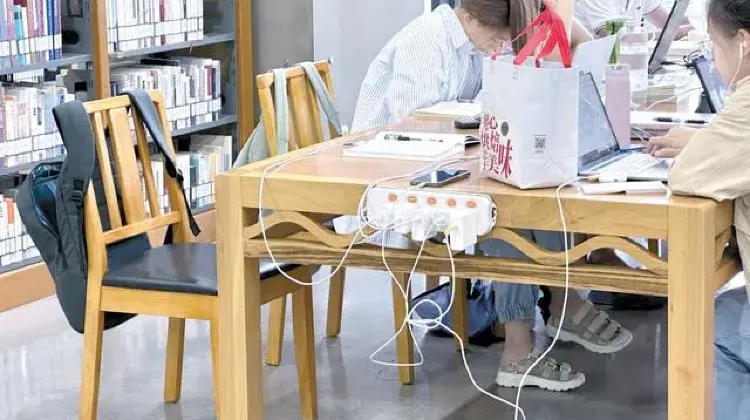
- Libraries & malls: Dedicated charging areas available.
- Public transport: New buses or metro trains may include USB ports.
- Airports: Major airports like Beijing Capital and Shanghai Pudong provide charging stations in terminal areas.
Alternative Charging Methods in China

In China, where access to traditional wall sockets may not always be possible or convenient, there are several alternative charging methods that travelers can use to keep their electronic devices powered. Here are detailed and practical ways to charge your devices without relying on direct access to a wall socket:
If wall outlets aren’t accessible, here are other ways to charge your devices:
- USB Charging: Most devices support USB power.
- Power Banks: High-capacity banks are ideal for day trips.
- Battery Pack Rentals (Chebao): Popular kiosks in China offer power bank rentals.
- Solar Chargers: Great for hiking or camping in remote areas.
- Wireless Charging: Available in some cafes/hotels for compatible devices.
- Car Chargers: If you're driving or renting a car, use in-car USB ports.
FAQ about the China plug
hat power plug does China use?
China uses Type A, Type C, and Type I plugs.Are USB charging ports common in China?
Yes, USB ports are widely available in cafes, public transport, and hotels. You can also rent a power bank for charging.What should I do if my adapter doesn't fit?
If your adapter doesn't work or fit into a Chinese socket, you can easily purchase a local adapter from convenience stores, electronics shops, or even airports.


150 ditempah