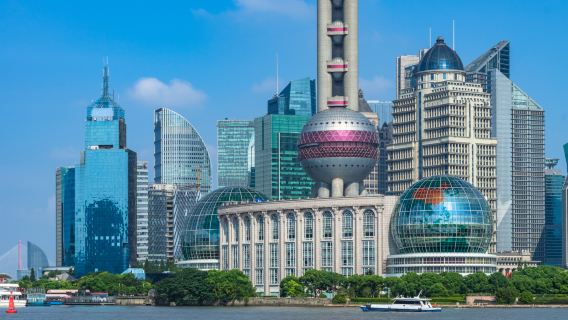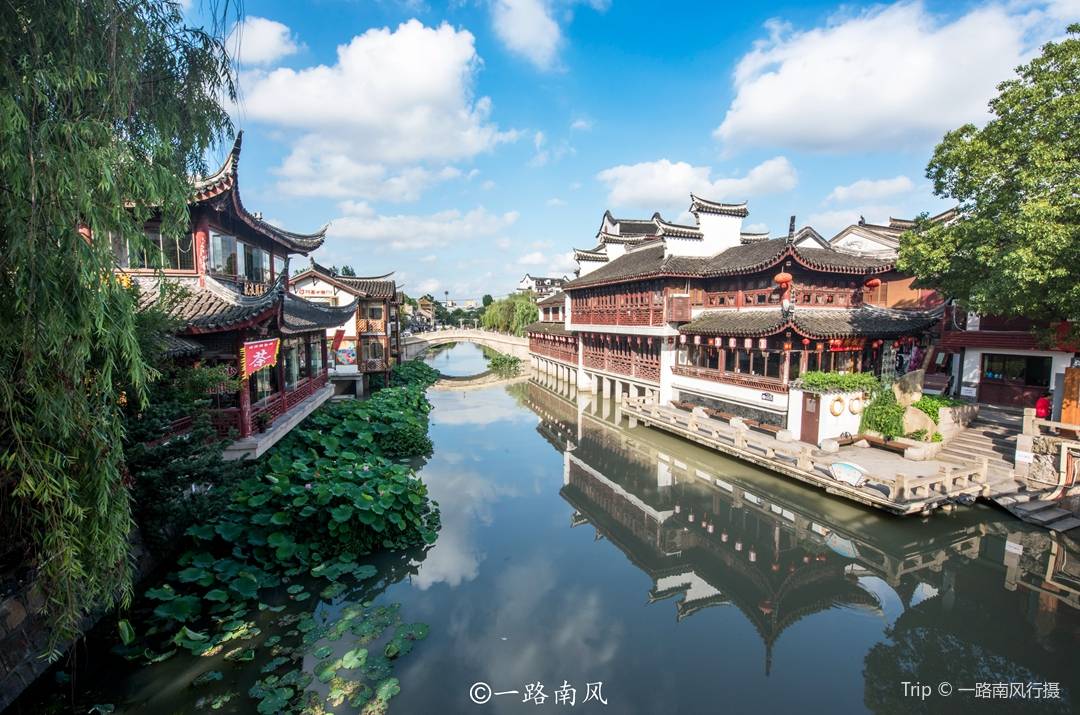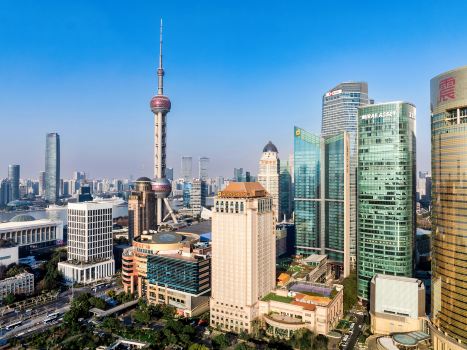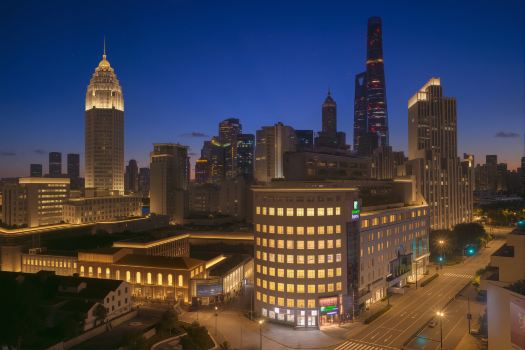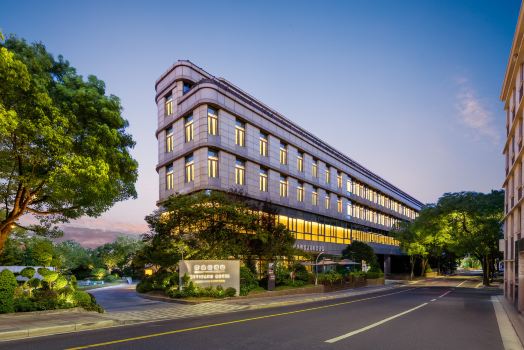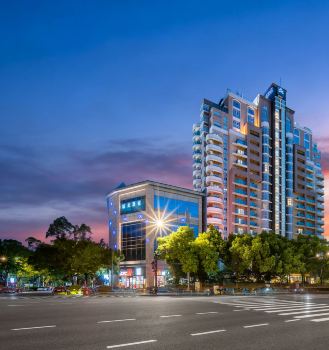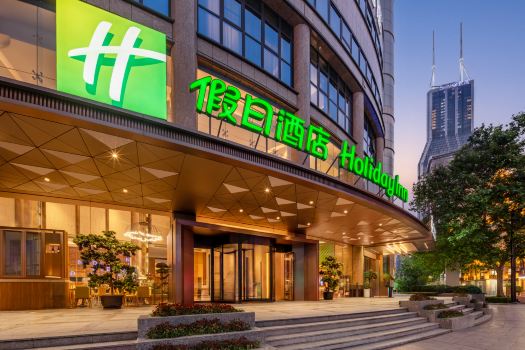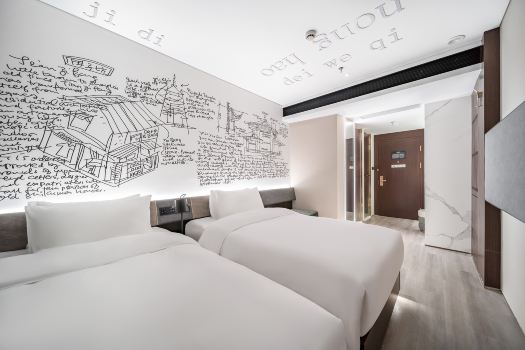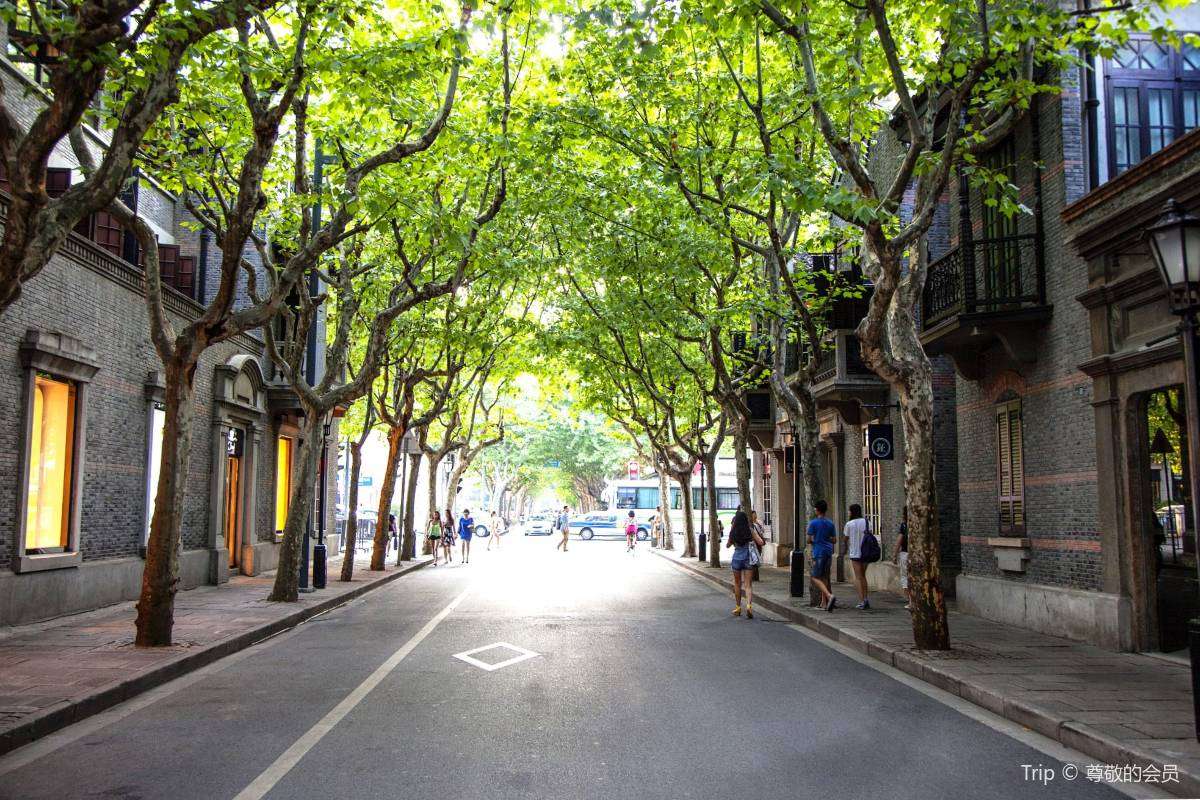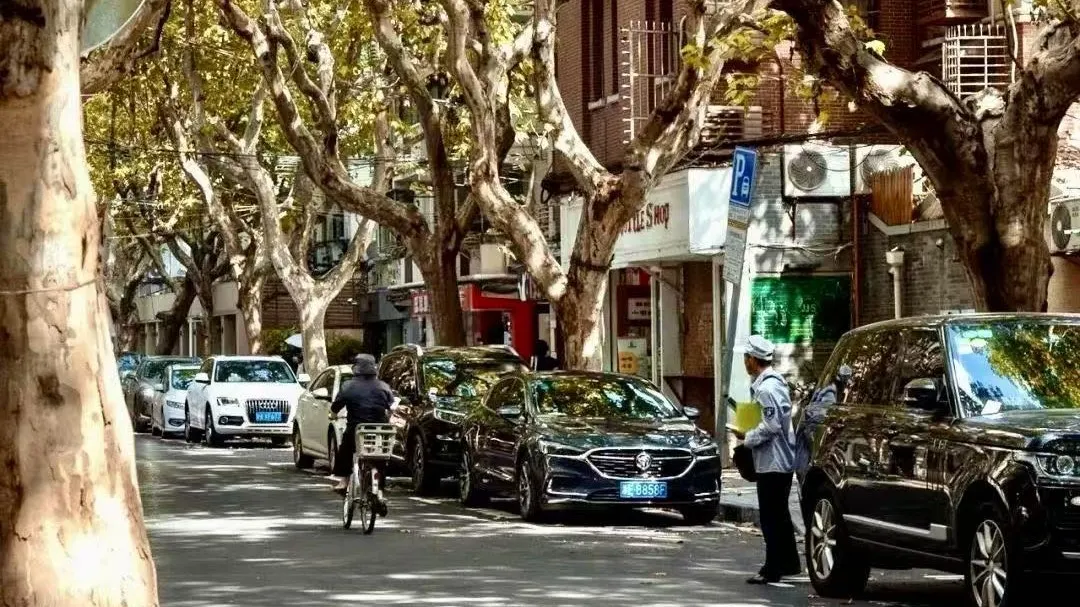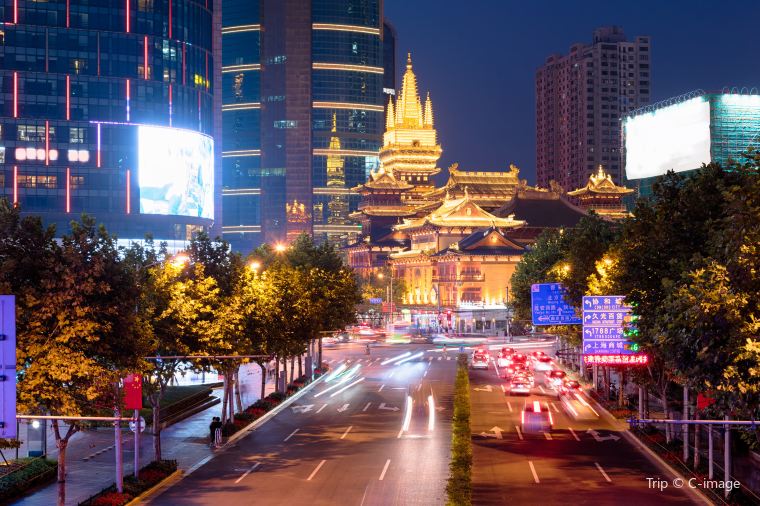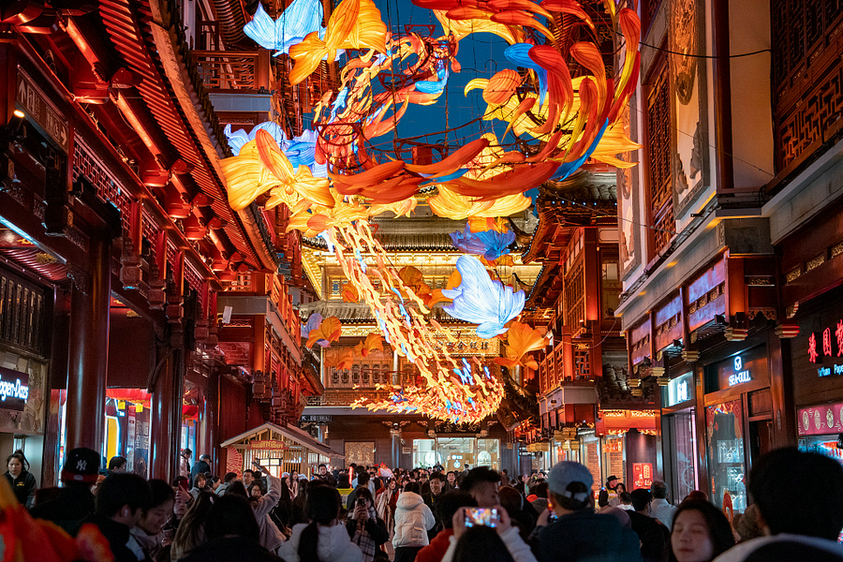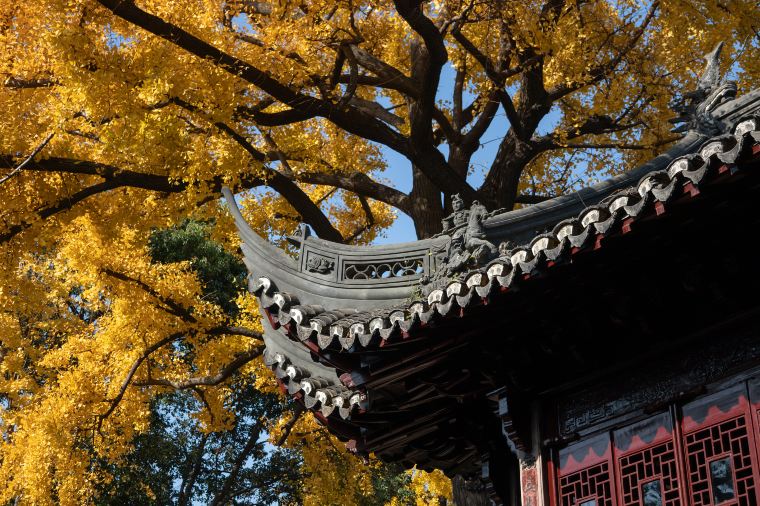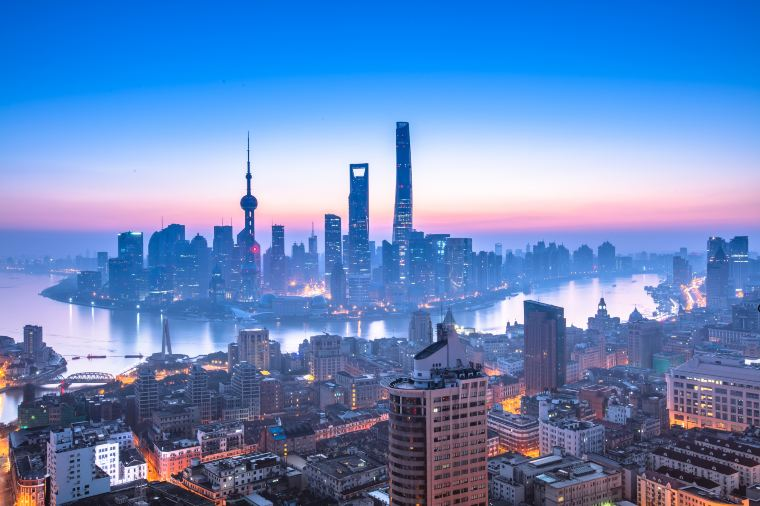



Planning a trip to Shanghai, huh? That’s exciting—and let me tell you, as a fellow Malaysian who’s explored that dynamic city more than once, you’re in for a treat 😍. From jaw-dropping skyscrapers 🌇 to ancient temples 🏯, sizzling street food 🍢, and world-class shopping 🛍️—Shanghai is where tradition and modernity collide in the most spectacular way.
✅ Why Malaysians love Shanghai
It’s got everything we crave on a holiday: food you’ll rave about (hello, xiao long bao! 🥟), shopping districts that rival KL’s best 🛒, plus cool weather if you’re visiting in spring or autumn 🍂. Oh, and if you’re into city views? The skyline at The Bund will give you goosebumps 🤩.
✅ But here’s the thing
Even seasoned Malaysian travelers can get caught off guard. In Shanghai, tipping isn’t expected 💵 (which is kinda nice!), public transport is amazing 🚇 but can be overwhelming at first, and locals can be a bit more... direct in public 🧍♀️🧍♂️. Not rude—just different! That’s why knowing a few customs and go-to apps 📱 can seriously level up your trip.
✅ What’s inside this guide?
I’ve packed it with all the little things I wish I knew before my first visit: how to pay (spoiler: most locals don’t use cash 💳), how to stay connected 📶, what apps to download (yes, you’ll want WeChat and a VPN 🔐), and some quick etiquette tips 🙏 so you blend right in.
✅ Built just for Malaysians like you
This isn’t one of those fluff-filled guides. It’s written with practical, no-nonsense advice to help you feel at home—even when you’re navigating a metro system with 16 lines or figuring out how to order food without Mandarin skills 😅.
Oh—and if you haven’t sorted out your flights to Shanghai ✈️ or hotels in Shanghai 🏨 yet, don’t worry—we’ve got suggestions for that too.
Let’s jump into the travel tips and get you all set for your Shanghai adventure! 🧭🎒
Top Things To do In Shanghai
🗣️ How to Navigate Language in Shanghai

Hey there, fellow traveler! Headed to Shanghai soon? You're going to love the vibrant city life, mouthwatering food 🥟, and stunning skyline 🌆. But let’s be real for a second—language can be a bit of a challenge if you’re not fluent in Mandarin. Don’t worry, though—I’ve been there, done that, and I’ve got your back 🙌.
✅ General Language Environment
In Shanghai, the main language spoken is Mandarin Chinese (Putonghua). Locals may also speak Shanghainese, a regional dialect, but Mandarin is what you'll hear most.
Now, how about English? In touristy spots like The Bund, major shopping malls 🛍️, and hotels 🏨, some staff speak basic English. But outside those areas—especially in smaller eateries, markets, or with taxi drivers—English is not widely understood.
If you're used to how easily we switch between Malay, English, and a bit of Mandarin or Tamil back home in Malaysia, Shanghai may feel a little more... mono-lingual 😅. But don’t worry—there are easy ways around it!
✅ Must-Have Translation Apps 📱
Here are a few lifesavers for your phone:
App | What It Does | Works Offline? | Notes |
|---|---|---|---|
Google Translate | Text, voice & camera translation | ✅ (with downloaded packs) | ⚠️ Blocked in China – use with VPN only |
Baidu Translate | Text, voice, camera translation | ✅ | Popular local app in China |
Papago | Good for Asian languages | ✅ | Simple interface, reliable |
Pleco | Best for Chinese-English dictionary 📖 | ✅ | Great for understanding characters & pronunciation |
Tip: Download language packs before your trip and test the apps while you're still in Malaysia.
✅ Communication & Etiquette in Shanghai 🧍♂️🧍♀️
People in Shanghai tend to be more direct in how they speak. It’s not rudeness—it’s just efficiency 😄. Volume-wise, they can be louder than what we’re used to back home, especially in restaurants or markets.
Here are a few quick etiquette tips when chatting with locals:
- Smile 😊—it goes a long way.
- Use both hands when giving or receiving items, especially money or business cards 💳.
- Avoid overly dramatic gestures 🙅♀️—pointing at people or tapping heads can be seen as impolite.
- When in doubt, show your phone screen with a translated phrase—it works!
✅ Handy Phrases for Your Trip 🧳📋
English Phrase | Chinese (中文) | Romanization | When to Use |
|---|---|---|---|
Hello | 你好 | Nǐ hǎo | Greeting someone politely 👋 |
Thank you | 谢谢 | Xièxiè | After receiving help or service 🙏 |
Where is the toilet? | 厕所在哪里? | Cèsuǒ zài nǎlǐ? | Asking for restrooms 🚻 |
I don’t understand | 我听不懂 | Wǒ tīng bù dǒng | If someone speaks too fast 🤷♂️ |
How much is this? | 这个多少钱? | Zhège duōshǎo qián? | While shopping in markets 🛍️ |
Can you help me? | 你可以帮我吗? | Nǐ kěyǐ bāng wǒ ma? | When you’re stuck or lost 😅 |
I want this | 我要这个 | Wǒ yào zhège | When pointing at a menu or item 🍜 |
I’m Malaysian | 我是马来西亚人 | Wǒ shì Mǎláixīyà rén | To explain where you're from 🇲🇾 |
No spicy, please | 请不要辣 | Qǐng bù yào là | If you're not into spicy food 🌶️❌ |
The bill, please | 买单 | Mǎidān | Asking for the check at a restaurant 💳 |
✅ Final Tip 💡
📸 Screenshot your hotel address in Chinese before you land—it’ll make things so much easier with taxi drivers or if you get lost.
🧾 If you’re planning to visit smaller restaurants or markets, carry a small notepad or use your phone to show key phrases. Some travelers even keep a bilingual card with phrases like “I’m allergic to peanuts” or “Call this number if I’m lost.”
Kuala Lumpur to Shanghai Flight
- Pergi Balik
- Sehala
- direct cheapest
KUL18:505j 30mTanpa hentiPVG00:20Kuala Lumpur - Shanghai|Rab, 14 Jan|AirAsia X Berhad (Malaysia)
PVG01:355j 55mTanpa hentiKUL07:30Shanghai - Kuala Lumpur|Sel, 20 Jan|AirAsia X Berhad (Malaysia)US$ 208US$ 2268% OFF8% OFFUS$ 226US$ 208
KUL23:155j 30mTanpa hentiPVG04:45Kuala Lumpur - Shanghai|Sel, 13 Jan|AirAsia X Berhad (Malaysia)
PVG01:355j 55mTanpa hentiKUL07:30Shanghai - Kuala Lumpur|Sel, 20 Jan|AirAsia X Berhad (Malaysia)US$ 208US$ 2268% OFF8% OFFUS$ 226US$ 208
KUL20:0018j 15m1 hentianPVG14:15Kuala Lumpur - Shanghai|Kha, 5 Mac|Vietnam Airlines
PVG15:2527j 25m1 hentianKUL18:50Shanghai - Kuala Lumpur|Sab, 7 Mac|Vietnam AirlinesUS$ 193US$ 22615% OFF15% OFFUS$ 226US$ 193
KUL1:00 PM3j 5mTanpa hentiSHA2:00 PMKuala Lumpur - Shanghai|Fri, Dec 12|AirAsia X Berhad (Malaysia)
SHA1:00 PM3j 5mTanpa hentiKUL2:00 PMShanghai - Kuala Lumpur|Fri, Dec 12|AirAsia X Berhad (Malaysia)Cari Penerbangan LainCari Penerbangan Lain
Harga potongan adalah dikira berdasarkan harga purata laluan sepadan pada Trip.com.
💳 Paying in Shanghai: What Malaysians Need to Know

Planning your trip to Shanghai? Whether you’re grabbing xiao long bao 🥟 at a street stall or hopping on the metro 🚇, knowing how to pay is half the battle. As a Malaysian traveler, you’re probably comfortable with Touch ‘n Go, DuitNow, and cards—but Shanghai has its own rhythm, and it’s good to be ready before you land ✈️.
✅ Cash vs. Card vs. Mobile Payments
So, what’s the deal with money in Shanghai?
💵 Cash
Cash is not king in China anymore—at least not in the cities. Most locals use mobile payments for everything from taxis to bubble tea. That said, it’s smart to carry some small notes, especially for:
- Street markets 🛒
- Smaller eateries
- Emergency situations
💳 Credit & Debit Cards
International credit cards (Visa, Mastercard, Amex) are not widely accepted in most local shops, restaurants, or vending machines—even fancy ones. Some large hotels, malls, and high-end stores may take them, but don’t count on it.
💡 Pro Tip: Your Malaysian debit/credit card might work at a few ATMs and chain hotels—but it’s not your main payment method here.
📱 Mobile Payments
Shanghai is one of the most digitally advanced cities in the world—and nearly everyone pays with mobile wallets like Alipay or WeChat Pay.
✅ Mobile Wallets & Local Apps
Here’s the trick: foreigners can use mobile wallets in China now, but there’s a little setup involved.
Wallet App | Who Uses It | Can Malaysians Use It? |
|---|---|---|
Alipay | Everyone | ✅ Yes – link your international card |
WeChat Pay | Everyone | ✅ Yes – also accepts international cards |
UnionPay QR | Some locals | ⚠️ Mostly for local bank cards |
✅ How to set it up:
- Download Alipay or WeChat before your trip 📲
- Register with your Malaysian number
- Go to the "Tour Pass" section (for Alipay)
- Link your credit/debit card (Visa/Mastercard supported)
Now you’re ready to pay like a local 💥
✅ Bank ATMs & Currency Exchange 💸
You’ll still need some cash, and it’s fairly easy to get in Shanghai.
- Bank ATMs: Look for major banks like ICBC, Bank of China, or HSBC
- Some ATMs accept international cards (Visa/Mastercard)—but always check fees with your home bank 🏦
- Choose to be charged in RMB (CNY) for better exchange rates
- Use ATMs inside banks or malls for better security
✈️ Airport Exchange?
Yes, it’s available—but the rates aren’t great. If you land late, exchange a small amount just to get started, then find a local bank or exchange counter in the city for better rates.
✅ Everyday Apps That’ll Make Life Easier 📱
You’re going to rely on apps a lot in Shanghai. Here’s what to download before you go:
App Type | App Name | Notes / Use Case |
|---|---|---|
E-Wallet | Alipay / WeChat Pay | For all purchases—street food to souvenirs |
Ride-Hailing | Didi | Like Grab, but for China 🚗 |
Delivery | Meituan / Ele.me | Food & groceries 🍱 |
Messaging | Talk to locals, hotel staff, businesses 💬 | |
Navigation | Baidu Maps / AutoNavi | More accurate than Google Maps in China 🗺️ |
✅ Pro Tips Before You Go 🚀
✔️ Download all key apps before you arrive, especially since Google services (like Gmail, Maps, YouTube) are blocked in China unless you use a VPN.
✔️ Keep small RMB notes on you, especially for taxis, old-school food stalls, or local markets—they often don’t take mobile payments from foreign-linked wallets.
✔️ Buy a China-friendly SIM card or eSIM that supports app verification—some tourist SIMs even come with coupons or app bundles! 📱💬
Recommended Hotels In Shanghai
💵 Tipping in Shanghai

If you're coming from Malaysia or Singapore, where tipping isn’t really a thing, you might be wondering: Do I need to tip in Shanghai? 🤔 The short answer? Not usually. Tipping in China—especially in mainland cities like Shanghai—is not part of local culture, and in many cases, it might even cause confusion 😅.
✅ Tipping Culture Overview
In Shanghai, tipping is not expected in most situations. In fact, at many local businesses, staff might politely refuse it—or look puzzled if you try. This is because:
- Most service charges are already built into prices, especially at restaurants and hotels.
- There’s a cultural emphasis on fair, consistent service for all customers—tipping isn't tied to performance like in some Western countries.
That said, in very high-end or international hotels, tipping is becoming more familiar, though still optional.
✅ Where & How Much to Tip (If You Choose To)
Here’s a quick guide in case you do feel like giving a small thank-you 💁♂️:
Service Type | Is Tipping Expected? | How Much (if any)? |
|---|---|---|
🏨 Hotels | Not expected | Bellboy: 5–10 RMB; Housekeeping: 10 RMB/day if you feel generous |
🍽️ Restaurants | Not expected | No tipping needed—even in nice places. Some high-end spots add a 10% service charge. |
🚕 Taxis / Didi | Not expected | Round up to the nearest yuan if you want—but it’s optional |
💇♂️ Salons / Spas | Not expected | Not part of local custom—no tip needed |
✅ How to Tip (If You Do)
If you choose to leave a tip:
- 💵 Use cash—digital tipping through apps like Alipay or WeChat Pay isn’t commonly set up for gratuities.
- You can hand it directly to the person with a smile and a simple "谢谢 (xièxiè)" 🙏.
- Leaving it on the table (like in some Western countries) might not be understood and could be ignored or returned.
✅ Cultural Nuance or Caution ⚠️
🎎 Cultural note: Refusing a tip isn’t rejection—it’s often seen as humble politeness. Some workers may feel awkward or even uncomfortable accepting extra money, especially in government-run venues or budget eateries.
And yes—don’t tip with coins unless it’s a tiny gesture (like rounding up for a driver). Paper bills (5 or 10 RMB) feel more intentional and respectful.
✅ Pro Tips & Wrap-Up
✨ If you're ever unsure, here’s a safe rule of thumb:
"Rounding up a little or offering a small thank-you is always appreciated, but never required."
You won’t offend anyone by not tipping, and locals won’t expect it—so there’s no pressure. Just smile, be polite, and enjoy your Shanghai trip with confidence! 🧳🇨🇳
Need more on how to pay in Shanghai? I’ve got you covered.
3GB/day 3 Days
- Data3GB Daily
- Validity3 Days
- PriceFrom RM17.83
20GB 5 Days
- Data20GB
- Validity5 Days
- PriceFrom RM37.57
20GB 7 Days
- Data20GB
- Validity7 Days
- PriceFrom RM40.72
🚨 Staying Safe in Shanghai

If you're planning a trip to Shanghai, you’ll be glad to know that it’s one of the safest major cities in Asia. Just like walking around Kuala Lumpur or Singapore, most parts of Shanghai feel safe—even at night 🌙. Violent crime is very rare. The main things to watch out for are petty theft, like pickpocketing in busy tourist areas, or the occasional tourist scam (more on that below).
So don’t stress—just stay aware and travel smart 😊.
✅ Top Local Safety Tips for Shanghai Travelers
Here are some simple, practical tips to help keep your trip smooth and secure:
- 👜 Stay alert in crowded places like metro stations, markets, or Nanjing Road. Keep your bag zipped and in front of you.
- 🚕 Use ride-hailing apps like Didi instead of hailing taxis off the street—easier, safer, and often cheaper.
- 💍 Avoid flashing valuables like designer bags or expensive watches, especially in busy shopping districts.
- 🌙 Stick to well-lit areas at night, especially if you're exploring alone. Central areas like The Bund or People’s Square are generally safe.
- 📵 Ignore random "friendly" strangers inviting you to a tea house or bar—this is a known scam that can lead to surprise bills.
✅ Emergency Contacts in China 🇨🇳
Emergency Type | Local Number | Notes |
|---|---|---|
👮 Police | 110 | For theft, scams, or suspicious activity |
🚑 Ambulance | 120 | Public hospitals may ask for upfront payment |
🔥 Fire | 119 | Rarely needed, but good to know |
☎️ Tourist Helpline | 12301 | English-speaking line (available in some cities) |
📝 Tip: Save these in your phone under "China Emergency" just in case.
✅ Medical Access & Pharmacies 💊
Shanghai has modern clinics and hospitals, especially in expat-friendly areas. However, English may not always be spoken at smaller or local hospitals.
✔️ Bring your own basic medications, especially for:
- Fever or flu 🤒
- Motion sickness 🚗
- Stomach issues or diarrhea 💩
- Any regular prescriptions
You can find pharmacies (药店 yàodiàn) easily in the city, but labels and advice are mostly in Mandarin.
✅ Cultural Notes 🧍♀️🧍♂️
💬 Locals are generally helpful, even if language is a barrier. A smile and simple words (or translation apps) go a long way. People in Shanghai are used to tourists, so don’t be shy to ask for help.
🤫 Public disputes or loud confrontations are rare—it’s a culture that values harmony and face. Keeping calm and respectful is always the best approach.
✅ Final Reassurance 🙌
China—and Shanghai in particular—is a safe destination for Malaysian travelers. With basic precautions and common sense, you’ll feel just as at ease as you would in KL or Penang.
Enjoy your trip, stay aware, and have fun exploring this incredible city! 🧭
Cultural Etiquette & Local Customs in Shanghai

Planning your first trip to Shanghai? You’re going to love the energy of the city—fast-paced, full of contrasts, and incredibly modern. But like anywhere new, a few cultural cues can help you blend in, avoid awkward moments, and connect more meaningfully with locals. Here’s what you’ll want to know before you go ✨.
✅ General Cultural Vibe in Shanghai
In Shanghai, people are generally polite but reserved, especially in public spaces. While locals may seem direct when speaking, it's more about efficiency than rudeness 😅. Public behavior tends to be orderly and respectful, especially in places like museums, trains, or temples.
Locals value courtesy, modesty, and social harmony, so you’ll rarely see loud confrontations or attention-seeking behavior in public. It’s a “don’t rock the boat” kind of culture—similar in some ways to Malaysian norms, but a little more formal.
✅ Etiquette Do’s & Don’ts
Here are some quick tips to help you avoid unintentional faux pas:
👟 Take off your shoes before entering a home—this is a must.
🤲 Use both hands when giving or receiving gifts, money, or business cards.
🙅♀️ Avoid touching someone’s head, even a child’s—it’s considered personal and sensitive.
🦶 Don’t point with your feet—keep them flat and respectful, especially in temples or homes.
💏 Avoid public displays of affection—a quick hug or handshake is okay, but kissing or hugging in public is frowned upon.
🗣️ Keep your voice low in public transport or shared spaces—loud chatter is considered disruptive.
🚯 Don’t litter or eat while walking—cleanliness and neat public behavior are taken seriously.
✅ Dining Etiquette 🍽️
Food is a big part of Shanghai culture—and it’s delicious! Here’s how to eat like a local:
- 🍽️ Meals are usually shared family-style, with multiple dishes in the center of the table.
- 🥢 Chopsticks are the default—don’t stick them upright in rice (it resembles funeral rituals).
- 🙅♂️ Don’t point with your chopsticks, and don’t tap them on bowls (considered rude).
- 🙏 Wait for the host to invite everyone to begin before you start eating.
- 😋 Slurping is okay with noodles and soups—it’s not rude; it shows enjoyment!
- 💬 If you’re full, say “吃饱了 (chī bǎo le)” to politely decline more food.
🔥TASTE OF CHINA Immersive Dining🔥
TASTE OF CHINA Immersive Dining, nestled within Shanghai's century-old landmark "THE BUND · CITY HALL PLAZA", is a panoramic cultural experience and space. Crafted by Trip.com Group to unveil the destinations and soul of China. Multi-sensory interactive technology brings the landscapes to life. The Yellow River, as waterfalls thunder down beside you, while the Li River's mist-kissed peaks dissolve into indigo hues across your plate—each bite embodying the majesty of mountains and rivers.
Panda Chef "Cheng BaoBao" guides you through seven culinary keys, unlocking a millennia-long odyssey from ancient dynasties to modern China—deconstructing landscapes through digital art and harmonising cultures with the alchemy of flavour. Here, global gourmets don't just savour premium Chinese cuisine—they embark on a journey from palate to soul: tasting China's flavours, experiencing its many facets, and falling in love with its essence forever.

Location
Taste Of China 味
Address: No. [LG1-03], Basement 1, No. 215, Jiangxi Middle Road, Huangpu District, Shanghai
Telephone:021-1234567

😀Important Note
- Restaurant Hours: 10:00 AM - 10:00 PM.
- Lunch: 12:00 PM - 2:00 PM
- Dinner: 7:00 PM - 9:00 PM
✅ Dress Code & Body Language
Shanghai is a modern city with relaxed dress standards, but:
🛕 Temples and religious sites: Dress modestly—cover shoulders and knees out of respect.
🧥 In winter, locals dress quite smartly even for casual outings, so a neat appearance goes a long way.
👉 Avoid pointing directly at people—use your full hand or nod.
👋 Don’t beckon with your palm up (like we do in Malaysia)—use your palm down and fingers slightly waved instead.
✅ Interaction Norms
👋 Greetings are usually a nod or polite handshake. Bowing isn’t common like in Japan, but showing respect through posture and tone is key.
💬 Small talk isn’t a big deal unless you know the person—locals tend to get to the point quickly.
📱 If you're speaking through translation apps, start with “不好意思,我不会说中文 (bù hǎo yìsi, wǒ bù huì shuō zhōngwén)” — “Sorry, I don’t speak Chinese.” It’s polite and helps break the ice 😊.
✅ Cultural Curiosity Note
Locals really appreciate it when travelers try to follow their customs—even small gestures like saying “nǐ hǎo” (hello) or using chopsticks respectfully go a long way 🙏. Don’t worry about being perfect. Your effort shows respect, and that’s what matters most ❤️.
Public Holidays & Travel Seasons in Shanghai

If you like to plan ahead (and avoid unnecessary stress 😅), knowing when to go—and when to avoid—can make a huge difference to your Shanghai trip.
✅ Major Public Holidays to Note
🧧 Lunar New Year (Spring Festival) – Late Jan to mid-Feb (dates vary)
- Expect packed trains and flights 🚆✈️, sky-high hotel prices 🏨, and many shops/restaurants to close for at least 2–3 days 🚪.
- That said, the city feels festive with lights and lion dances 🎉—but not ideal if you’re counting on full access to attractions.
🎏 Golden Week (Oct 1–7) – National Day Holiday
- Huge domestic travel surge—bookings fill up early, and tourist spots are crowded everywhere. If you're crowd-averse, skip this week entirely.
🛍️ Singles’ Day (Nov 11) – More of a shopping holiday than a travel one, but if you’re into deals, this is like China’s Black Friday.
✅ Travel Impact & Local Customs
During public holidays:
- 🚆 Train stations and airports are extremely busy—buy tickets weeks in advance.
- 🏨 Hotel rates spike fast, especially near tourist zones.
- 🚪 Museums and smaller businesses may close or reduce hours.
- 🛕 Temples and popular parks can get very crowded, especially on day 1 of Lunar New Year.
Tip: If you're a curious traveler who enjoys cultural vibes, these holidays can be magical 🎇. But if you prefer quieter days and flexible access, aim for off-peak periods.
✅ Seasonal Travel Summary
- 🌸 Spring (Mar–May) and 🍂 Autumn (Sep–Nov): Ideal seasons—mild weather, fewer crowds.
- ☀️ Summer (Jun–Aug): Hot, humid, and busier with local families—especially July school holidays.
- ❄️ Winter (Dec–Feb): Cold but less crowded—great for budget travelers (avoid Lunar New Year rush).
👉 If you’re planning around peak travel dates or hoping to catch local celebrations, check out our [full guide to public holidays in China] 📅.
📱 How to Stay Connected in Shanghai: SIM, eSIM & Wi-Fi Tips

✅ eSIM vs Local SIM: What Works Best?
For short stays, eSIMs are usually the most convenient option—no need to swap SIMs physically or hunt for a kiosk at the airport. Some Chinese telcos and travel platforms (like Trip.com) now support tourist-friendly eSIMs, which can be activated via app before or right after arrival. 📶
If you prefer a physical SIM, it's still a reliable choice—but you’ll need to present your passport for real-name registration, which can take a few extra minutes.
✅ Best SIM Providers in China
These are the top 3 networks you'll likely see:
Provider | Why Choose It |
|---|---|
China Unicom | Great for tourists; good international compatibility 🌍 |
China Mobile | Strongest nationwide coverage, even in rural areas 🏞️ |
China Telecom | Reliable but sometimes less foreigner-friendly ⚠️ |
Most offer prepaid plans with generous data (5–20 GB) tailored for short-term stays.
✅ Where to Get It
You can pick up a SIM or activate your eSIM at:
- 🛬 Airport kiosks (Pudong and Hongqiao terminals)
- 🏪 Major convenience stores like FamilyMart
- 📱 Online platforms like Trip.com’s eSIM for China
- 🧾 Passport required for both eSIM and SIM card activation due to local regulations.
3GB/day 3 Days
- Data3GB Daily
- Validity3 Days
- PriceFrom RM17.83
20GB 5 Days
- Data20GB
- Validity5 Days
- PriceFrom RM37.57
20GB 7 Days
- Data20GB
- Validity7 Days
- PriceFrom RM40.72
✅ Wi-Fi & Internet Access in Shanghai
- 🏨 Hotels: Free Wi-Fi is the norm. Speeds are decent, but may slow during peak hours.
- ☕ Cafés and malls: Many offer free Wi-Fi, though login may require SMS verification or a local number.
- 🚇 Shanghai Metro: Select stations and trains have Wi-Fi, but it’s patchy.
🚫 Important: Access to Google, Facebook, WhatsApp, and many non-Chinese apps is blocked in China. You’ll need a VPN to use these—install one before you arrive.
✅ Pro Tips for Staying Online
- 🗺️ Download Google Maps, translation packs (e.g., Pleco or Baidu Translate), and a VPN app before landing.
- 🌐 Keep a backup like a pocket Wi-Fi if you're traveling outside major cities.
- 📲 Trip.com also offers eSIM for China—a great choice if you want instant connectivity without airport delays!
Explore Shanghai Now!

You’re just about ready to take off, and honestly—you’ve got this! ✈️ With everything you’ve learned about getting connected, local etiquette, safety tips, and how to navigate public holidays, you’re set to explore Shanghai with the confidence of a seasoned traveler. As a fellow Malaysian, you’ll find the balance of culture, convenience, and city energy both exciting and familiar in its own way. Even small things—like knowing how to pay for a taxi 🚕 or when not to tip—really do make your trip smoother.
Don’t forget, there’s so much more to discover beyond just the city center. Each neighborhood in Shanghai—and every region across China—has its own vibe, flavors, and stories. Part of the joy is simply exploring and seeing what catches your eye 🍜.
Need a few more pieces to complete your travel puzzle? Check out current deals on flights to China, browse top-rated hotels in Shanghai, or get inspired with this list of Things to Do in Shanghai—perfect if you’re building your own flexible itinerary.
Have a great trip, and enjoy every moment of your adventure in Shanghai! 🌟 Safe travels and happy exploring!
👉 Get Trip.com Exclusive Offers
👉Download the Trip.com App Now!
Everything about Shanghai
FAQs: Everything You Need to Know Before Visiting Shanghai
What’s the best way to get around Shanghai?
If you're visiting Shanghai, public transport is by far the best way to get around. The metro is cheap, efficient, and well-connected, covering almost every major attraction. I highly recommend getting a Shanghai Public Transport Card (SPTC)—it works for the metro, buses, and even ferries. 🚕 Taxis & Ride-Hailing: Taxis are affordable, but many drivers don’t speak English—use Didi (China’s Uber) for a smoother experience. 🚶♂️ Walking: If you’re exploring areas like The Bund or the French Concession, walking is the best way to soak in the city’s vibe.How much should I budget per day in Shanghai?
💰 Budget Traveler: ¥250-400 (RM200-300) per day 💎 Mid-Range Traveler: ¥600-1000 (RM400-600) per day 🥂 Luxury Traveler: ¥1500+ (RM1000+) per dayIs Shanghai safe for tourists?
Yes! Shanghai is one of the safest cities in China, even for solo travelers. However, here are a few safety tips: ✅ Watch out for scams—Avoid tea house scams or overly friendly strangers inviting you to an overpriced café. ✅ Beware of traffic—Scooters and bikes don’t always follow the rules, so look both ways before crossing streets. ✅ Pickpockets are rare, but always stay cautious in crowded places like Nanjing Road and metro stations.What’s the best neighborhood to stay in?
🏙️ For First-Time Visitors: Stay near People’s Square or The Bund—you’ll be close to top attractions and metro lines. 🎉 For Nightlife & Trendy Vibes: Jing’an and Xintiandi are packed with stylish bars, cocktail lounges, and high-end restaurants. 🎭 For Culture & Local Life: The French Concession is perfect for charming streets, boutique hotels, and historic vibes. 💰 For Budget Travelers: Zhabei or Pudong offer cheaper accommodations but still have good metro access.What’s the best local food to try in Shanghai?
🥟 Xiaolongbao (Soup Dumplings) – Juicy, flavorful, and a must-try at Jia Jia Tang Bao or Din Tai Fung. 🍜 Scallion Oil Noodles (葱油拌面) – A simple but iconic dish; try it at A Niang Mian Guan. 🦆 Shanghai-style Braised Pork (红烧肉) – Rich, sweet, and melt-in-your-mouth good. 🥢 Sheng Jian Bao (Pan-fried Soup Dumplings) – A crispier, pan-fried version of xiaolongbao—try Yang’s Dumplings! 🐟 Squirrel-shaped Mandarin Fish (松鼠桂鱼) – A local specialty often found in high-end restaurants.What’s a common tourist mistake in Shanghai?
🚇 Avoid rush hour on the metro (8-10 AM & 5-7 PM)—it gets packed! 🛍️ Haggling in malls? Nope. Unlike other cities, Shanghai’s shopping malls have fixed prices—save your bargaining skills for fake markets. 🚫 Forgetting to bring VPN access—If you rely on Google, Facebook, or Instagram, download a VPN before arriving!What’s the best time to visit Shanghai for good weather & fewer crowds?
If you want pleasant weather and fewer crowds, March-May and September-November are ideal. 🌸 Spring (March-May): Mild temps, blooming cherry blossoms, and outdoor festivals. 🍂 Autumn (Sept-Nov): Comfortable temperatures and golden foliage in parks. 🚫 Avoid: Chinese New Year (January/February) and Golden Week (October 1-7)—Shanghai gets super crowded, and prices skyrocket!Do I need cash, or can I use a credit card everywhere?
Shanghai is cashless-first, meaning most places prefer mobile payments like Alipay & WeChat Pay. However, if you’re a tourist without a Chinese bank account: ✅ Most hotels, malls, and high-end restaurants accept credit cards (Visa/MasterCard). ❌ Street food stalls, small shops, and taxis may only accept mobile payments or cash. 💰 Tip: Always carry at least ¥200 ($30) in cash for emergencies.Is tipping expected in Shanghai?
Nope! Tipping isn’t common in China, and most restaurants and services don’t expect it. 🚕 Taxis & Ride-hailing: No tipping needed. 🍽️ Restaurants: No tipping, unless you're in a high-end Western-style restaurant. 🏨 Hotels: Bellboys at luxury hotels might accept a small tip (~¥10-20), but it’s not required.What are the best free things to do in Shanghai?
Good news—you don’t have to spend a fortune to enjoy Shanghai! Here are my top free experiences: 🌆 Walk along The Bund – Stunning skyline views, especially at night! 🌳 Explore Fuxing Park & Century Park – Great for people-watching and picnics. 🎭 Visit Jing’an Temple (courtyard is free!) – While the inside requires a small fee, the outer courtyard is beautiful and free to visit. 🛍️ Window-shop in Tianzifang & Xintiandi – These trendy districts are perfect for photography. 🎨 Check out M50 Art District – A hidden gem full of free galleries showcasing contemporary Chinese art.


258 ditempah