




Canton Fair Phases 2026–2027 | Phase 1, 2 & 3 Guide

Gambar Profil Penulis

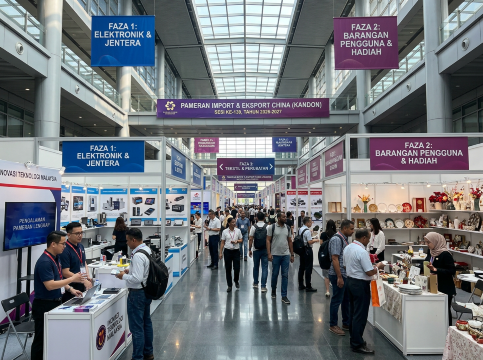
At the Canton Fair, the choice of dates depends on the product category: both the spring and autumn sessions consist of three phases, with each phase featuring a different assortment. First, identify the key item for your negotiations, then check related categories and verify the dates for the required phase. The table shows where the assortment is concentrated and who each phase is suitable for.

PhaseDates in 2026Top DestinationsWho it's for

1

Spring: April 15–19; autumn: October 15–19

Electronics, electrical engineering, transport, new energy, industrial equipment, tools

For technical procurement specialists, importers of machinery and components

2

Spring: April 23–27; autumn: October 23–27

Home goods, furniture, building materials, plumbing, decor, gifts

For home goods importers, retail chains, and marketplace sellers

3

Spring: May 1–5; autumn: October 31–November 4

Clothing, footwear, textiles, baby products, health, cosmetics, food, sports, pet supplies

For buyers of clothing, footwear, groceries, and everyday consumer goods

The table refers to the 139th spring and 140th autumn sessions. Before paying for your trip, please confirm the dates for your chosen phase on the fair's official website.

Flights to Guangzhou
From Kuala Lumpur
From Penang
Lihat Semua Penerbangan

Stage 1: Industry and Electronics

**Pameran Canton**

**Pameran Canton**

The first phase is worth choosing when the goal of your trip isn't a finished collection, but a technical solution: machinery, equipment, transport, components, or an energy system. If your procurement combines a finished product, a production line, and components, it's better to split the search into these three tasks.

The official sections of the first phase cover 20 areas:

  • home appliances; consumer electronics and information products; electronic and electrical products; lighting equipment;
  • industrial automation and intelligent manufacturing; processing and recycling equipment; general mechanical engineering and basic mechanical components;
  • power equipment and electric power industry; new energy sources; new materials and chemical products;
  • new energy vehicles and smart mobility solutions; automobiles; auto parts; motorcycles; bicycles;
  • construction machinery; agricultural machinery; fasteners and hardware; tools; service robots.

Once you've selected your sections, organize your meetings by zone so you don't mix different technical tasks into a single route. In Zone A, focus on home appliances, new materials, mechanical engineering, new energy vehicles, smart mobility solutions, and construction and agricultural machinery.

Zone B is home to hardware and fasteners, tools, auto parts, and some of the outdoor exhibition areas. In Zone C, you'll find lighting equipment, electrical products, new energy solutions, motorcycles, and bicycles. For power and processing equipment, automation, consumer electronics, and service robots, head over to Zone D. The layout can change, so be sure to check the current interactive map for your chosen exhibitor's pavilion before you visit.

For equipment, prepare a technical specification, tolerances, certification requirements, MOQ, and installation and service terms. Large-scale equipment cannot be fully evaluated based on a showroom sample alone: clarify the configuration, performance, and acceptance criteria. Write down models and parameters in advance so you can make objective comparisons between offers from different manufacturers. A technical translator is especially useful during complex negotiations.


Stage 2: home, furniture, gifts

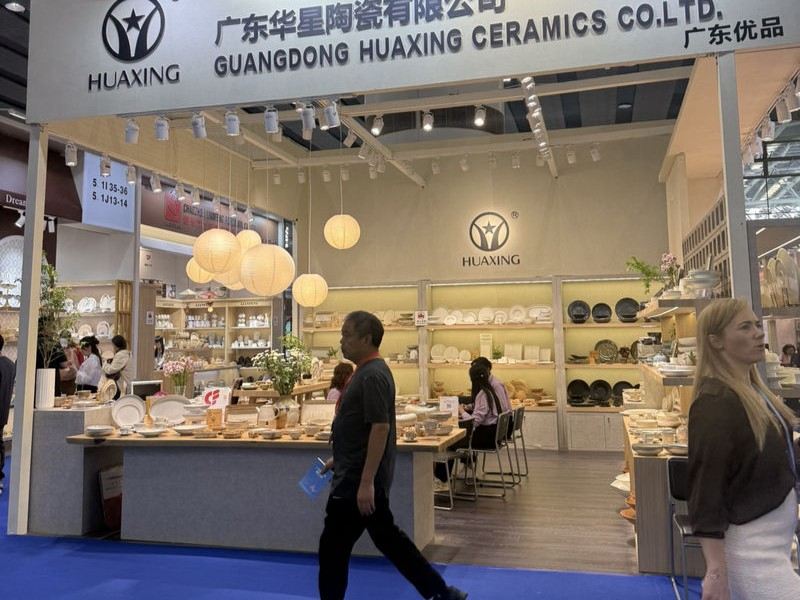
A booth featuring ceramic tableware at the second phase of the Canton Fair

In the second phase, suppliers are compared based on samples: material, finish, dimensions, packaging, and private labeling. This is how retail chains, the hospitality industry, and marketplace sellers operate when sourcing for home, interior, renovation, and seasonal collections.

The official sections of the second phase cover 17 areas:

  • everyday ceramics; kitchenware and tableware; home goods; art glass; interior decor;
  • garden supplies; party supplies; gifts and promotional products; clocks, watches, and optical goods;
  • artistic ceramics; wicker, rattan, and metal goods; costume jewelry and fashion accessories;
  • building and finishing materials; plumbing and bathroom equipment; furniture; prefabricated houses and outdoor space equipment; international pavilion.

For all meetings, use a single request format: dimensions, material, color, packaging, batch size, and branding. This will allow you to consolidate responses into a table and discuss OEM/ODM and technical documentation for specific models.

The Yiwu market is usually considered when you need a ready-made assortment, small batches, or a mixed purchase from different product groups. However, you shouldn't choose a sourcing location based solely on the price of a sample.

Compare offers based on identical specifications. Clarify MOQ, packaging, branding, certifications, production lead times, and Incoterms. This kind of calculation helps you estimate costs and accurately compare offers from trade fairs versus Yiwu, without assuming in advance that one option is always more profitable than the other.


Stage 3: fashion, textiles, food, health

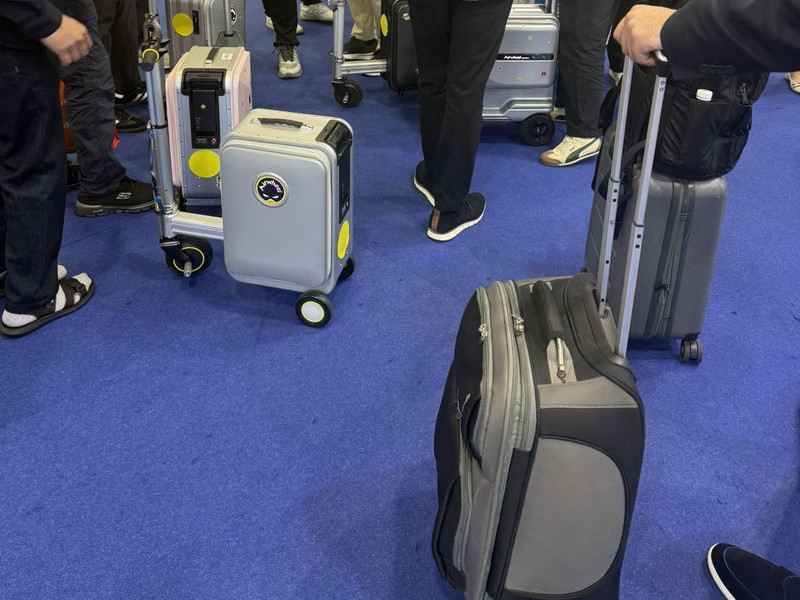
Suitcases and travel bags at the third phase of the Canton Fair

It is convenient to divide the third phase into four routes: clothing and textiles; children's goods; food and health products; and other everyday consumer goods. This way, importers, specialized chains, and marketplace sellers will be able to compare offers within each product category.

The official program of the third phase includes 23 areas:

  • toys; maternity, baby and kids' products; children's clothing;
  • men's and women's clothing; lingerie; sportswear and casual wear; fur, leather, and down products; fashion accessories and haberdashery;
  • textile raw materials and fabrics; footwear; suitcases and bags; home textiles; carpets and tapestries;
  • office and stationery supplies; medicines, health products, and medical devices; smart healthcare solutions;
  • food products; sports, travel, and leisure goods; personal hygiene and care products; toiletries; pet supplies and food; traditional Chinese goods; international pavilion.

Criteria vary: for clothing, determine the sizing chart, fabric composition, and hardware; for food and health products, check the documentation and labeling for the target market; for suitcases and footwear, look at materials, construction, and packaging. Compare suppliers within the same specification.

City markets make it easier to explore the ready-made assortment, small batches, and local prices on the spot. That's why it's worth checking out the markets in Guangzhou for clothing, suitcases, and cosmetics, though they don't replace direct negotiations with manufacturers.

First, define your goal: are you looking for mass production and your own brand, or purchasing an existing collection? Then, compare the MOQ, sample quality, lead times, packaging, and commercial terms.

🔥 Hotel Coupons: Exclusive Hotels Deal for New Users

Discover the world with trip.com! Book the perfect hotel anywhere in the world and get an unbeatable 10% discount if you're a first-time user! If this is your second time using it, you will receive a 5% discount! Download our app now and start planning your next trip with ease.

Just click this link and download the Trip.com App, after successfully registering as a member, use it when you place an order!

🔥Save More with Up to 5% Off

Use our promo code to enjoy up to 5% OFF on your attraction tickets, tours and eSIMs!

Pauses between stages: how to make the most of them

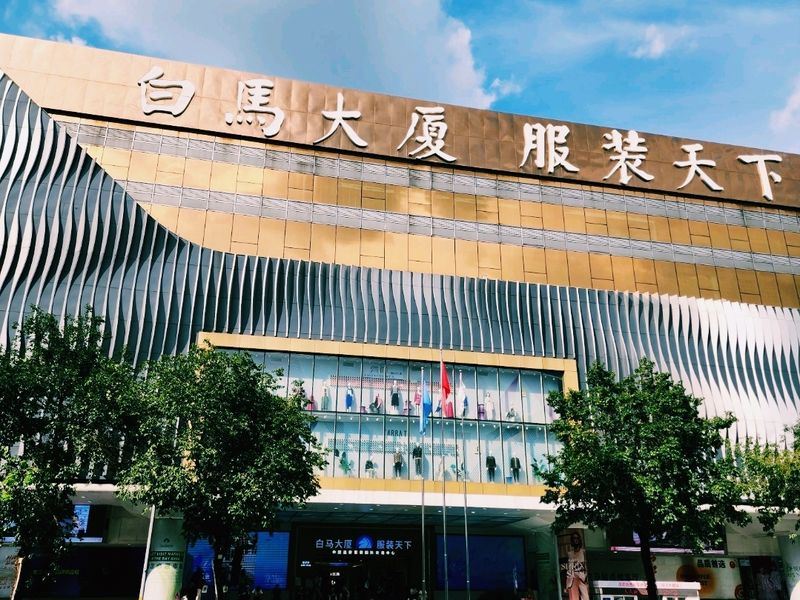
Baima Clothing Market in Guangzhou between the Canton Fair phases

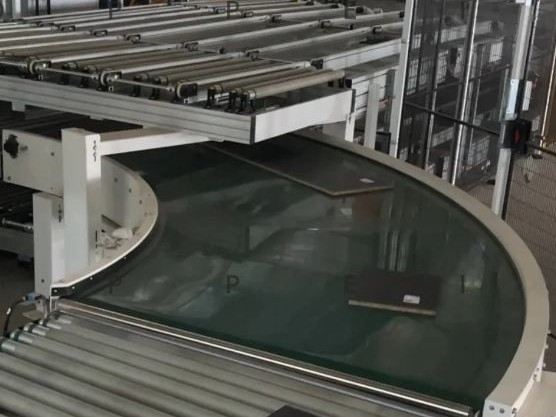
Automated production line at a factory in Guangdong province

Electronics market building in the Huaqiangbei commercial district, Shenzhen

Don't think of the inter-phase days as just another part of the exhibition: they are a reserve for working with suppliers you've already found. In the spring, these three-day breaks fall on April 20–22 and 28–30, and in the autumn, on October 20–22 and 28–30.

  • Guangzhou markets. The easiest option without intercity logistics: you can check out the ready-made assortment, local prices, and get ideas for mixed purchasing.
  • Factories in Foshan or Dongguan. Only plan your trip once the meeting is confirmed. Get the exact address, the contact person's details, and the production inspection agenda in advance. If the meeting isn't confirmed, use the day for follow-up negotiations or to visit the markets in Guangzhou.
  • Shenzhen. Choose this option if your task involves electronics, components, or a specific supplier. This trip isn't suitable as a general-purpose excursion for just any buyer.

Leave some downtime for follow-up negotiations and processing the offers you've gathered. Don't count on getting into the factory without an appointment, and be sure to build some buffer time into your schedule for travel: transit time depends on the location and current traffic conditions.

🔥Unlock 8% OFF on Car Rentals

Whether you're planning a road trip, a business journey, or just need a reliable ride, now is the perfect time to save. Use the coupon to enjoy this exclusive offer. Rent a car today and hit the road with extra savings!

Sewa Kereta
Car Rental Promo Code - 8% Off
New User Enjoy up to 8% Off
TRIPCAR8

🔥Get 3% Off Your First Train Ticket Booking!

As a special treat, Trip.com is offering a 3% discount on your first train ticket booking. Simply claim your coupon and enjoy a seamless travel experience.


Can I visit two or three stages

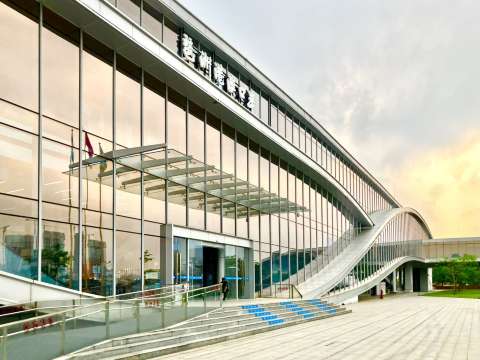
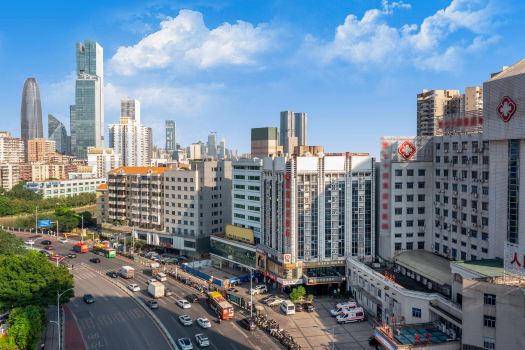
Entrance to the Canton Fair exhibition complex in Pazhou, Guangzhou

The physical Buyer Card is your official, reusable pass: it’s valid across different phases and multiple sessions of the Canton Fair. Still, be sure to double-check the latest registration and entry requirements.

There are 21 calendar days between the first day of phase 1 and the last day of phase 3. Therefore, the decision regarding the second or third phase should not be based on the number of free days, but rather on whether there is a separate purchasing task in another product block.

Distribute priority suppliers across phases. If key meetings are concentrated in one, select it and the nearest break. Add a second one for a separate procurement area, and the entire cycle for several independent product blocks. Compare accommodation costs for each option.

The 21-day cycle fits within the current visa-free stay limit for Russian citizens — up to 30 days, provided you are using a standard passport and the purpose of your trip is business, tourism, visiting, exchanges, or transit. This policy is in effect until December 31, 2027. Before you depart, double-check the requirements for your specific citizenship, passport type, and purpose of travel; if you don't meet the criteria, be sure to apply for the appropriate visa in advance.


The phase selection is complete when all priority product groups and exhibitors fit into the actual meeting schedule. One phase with a working break usually provides a denser program; two or three are needed when procurement is truly divided between different product blocks.

Once you've determined the phase, double-check the official sections and the exhibitor list, leave a buffer day, and head over to Trip.com to find flights and a hotel for your chosen dates.

🎁Book cheap flights to Guangzhou and check the best hotels in Guangzhou now! Get connected fast with China eSIM!

🔥 Hotel Coupons: Exclusive Hotels Deal for New Users

Discover the world with trip.com! Book the perfect hotel anywhere in the world and get an unbeatable 10% discount if you're a first-time user! If this is your second time using it, you will receive a 5% discount! Download our app now and start planning your next trip with ease.

Just click this link and download the Trip.com App, after successfully registering as a member, use it when you place an order!

🔥Save More with Up to 5% Off

Use our promo code to enjoy up to 5% OFF on your attraction tickets, tours and eSIMs!
What to Prepare for a Trip to China?

  • Visa & Entry Tips Malaysians transiting through China to a third country can usually apply for a 24-hour or 240-hour visa-free transit; in addition, a 30-day visa-free period has been implemented between China and Malaysia. Learn more about China Arrival Card to land in China easily.
  • Getting Connected VPNs are vital for accessing Google, WhatsApp, Instagram, etc in China. Set one up before arriving. China eSIMs are the easiest option for data and bypassing restrictions.
  • Money Exchange & Tax Refunds Exchange money in China banks (better rates than airports). ATMs accept foreign cards, but notify your bank first. For tax refunds, spend over ¥500 at stores with a "Tax-Free" sign. Keep receipts and get forms stamped at customs before departure.

Must-Have Apps in China

Disclaimer: This article has been provided by an individual contributor or third party platform. If there is any discrepancy regarding the copyright, please contact us directly and we will delete the content immediately.
Amal

Amal

Traveller, Writer, Sea Lover, Travel Guide, Explore the world

Lihat profil

Hi, nice to meet u~ I love traveling and exploring the world, and my dream is to travel around the world! Forever free and happy, I'll be sharing some travel tips that I hope will be helpful.

486 artikel
China Malaysia Travel Tips Travel Guide
> >
Canton Fair Phases