
Cari Hotel bajet di Hamburg
Masukkan tarikh perjalanan anda untuk menyemak harga dan ketersediaan terkini
Leret ke bawah untuk melihat lebih banyak
Tapis mengikut:
Penarafan bintang hotel
≤2345
Penarafan Tetamu
Terbaik 9+Hebat 8+Bagus 7+Baik 6+Kami cari 93 hotel bajet untuk anda di Hamburg
Pilih tarikh perjalanan anda untuk melihat harga terkini.
Paling Popular
Harga Terendah
Paling hampir ke pusat bandar
Mendapat Ulasan Terbaik


99+
Hotel di Hamburg
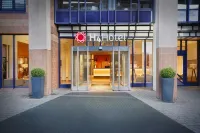
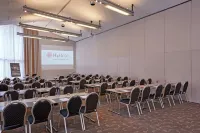
Dengan penginapan di H4 Hotel Hamburg-Bergedorf di Hamburg (Hamburg-Bergedorf), anda akan berada 5 minit berjalan kaki dari Muzium für Bergedorf und die Vierlande dan 5 minit berjalan kaki dari Kastil Bergedorfer. Hotel golf ini berada 20.6 km dari Miniatur Taman Ajaib dan 20.7 km dari Dewan Filharmonik Elbe.
Berlatihlah hayunan anda di padang golf atau berseronoklah dengan kemudahan rekreasi lain seperti sebuah kelab kesihatan 24 jam. Hotel ini juga menampilkan akses Internet wayarles percuma, dewan tari-menari dan tempat letak basikal.
Puaskan selera anda untuk makan malam di Gaumenfreund, sebuah restoran yang pakar dalam masakan Jerman atau nikmati hidangan di dalam bilik dengan menggunakan perkhidmatan bilik (semasa waktu terhad). Akhiri hari anda dengan menikmati minuman di bar/ruang istirahat. Sarapan bufet disajikan pada hai minggu dari 6:00 hingga 10:30 dan pada hujung minggu dari 6:00 hingga 11:00 dengan dikenakan bayaran.
Kemudahan yang ditampilkan adalah termasuk daftar masuk ekspres, daftar keluar ekspres dan perkhidmatan pencucian kering/dobi. Ada rancangan acara di Hamburg? hotel ini mempunyai ruang berukuran 0 kaki persegi (0 meter persegi) yang terdiri daripada ruang persidangan dan bilik mesyuarat. Letak kenderaan sendiri (tertakluk pada bayaran) terdapat di tapak hartanah.
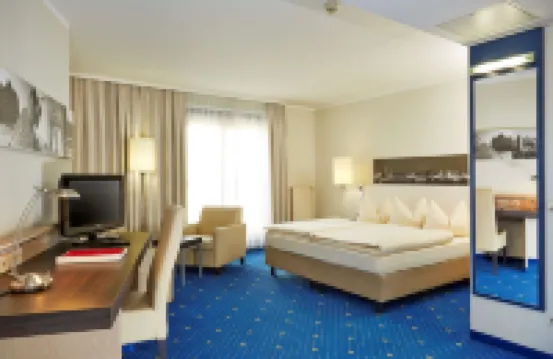
Selesakan diri anda di salah satu daripada 203 bilik tamu. Akses Internet wayarles percuma membolehkan anda sentiasa berhubung, manakala program satelit disediakan untuk hiburan anda. Bilik mandi dilengkapkan dengan pancuran mandi dan pengering rambut. Kemudahan yang disediakan merangkumi meja dan surat khabar percuma serta telefon dengan panggilan antarabangsa percuma.
"I recently had the pleasure of staying at [H4], and it was an exceptional experience. The staff were incredibly welcoming and attentive, making me feel right at home from the moment I arrived. The room was spotless and well-appointed, with all the amenities one could need for a comfortable stay. The hotel's location is perfect, with easy access to local attractions and dining options. I highly recommend [H4] for anyone looking for a top-notch stay!"
Sangat Baik
81 ulasan
8.3/10
1 malam
Daripada € 67
99+
Hotel di Hamburg
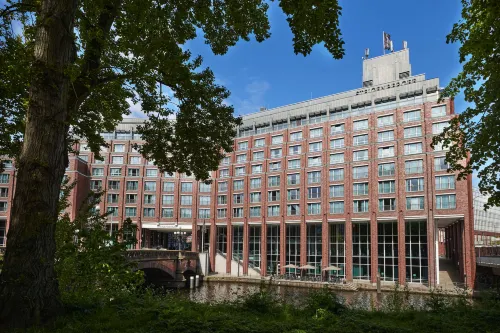
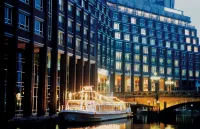
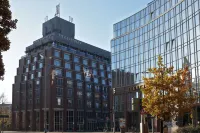
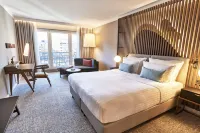
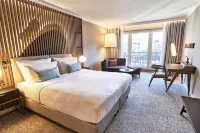
Dengan penginapan di Steigenberger Hotel Hamburg, anda akan berada betul-betul di tengah Hamburg, berdekatan dengan Neuer Wall dan Gereja Baptis Internasional Hamburg. Hotel mewah ini berada 0.5 km dari Gereja St. Michaelis dan 0.7 km dari Bleichenhof-Passage Hamburg.
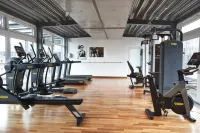
Luangkan masa untuk memanjakan diri anda di spa perkhidmatan penuh. Anda boleh menggunakan kemudahan rekreasi seperti pusat kecergasan 24 jam dan basikal sewa. Ciri-ciri tambahan di hotel ini termasuklah akses Internet wayarles percuma, perkhidmatan rencam dan penjagaan anak/bayi (surcaj).
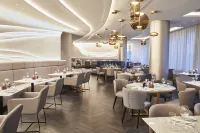
Menjamu selera di Restaurant am Fleet, salah sebuah daripada 2 restoran di hotel, atau nikmatinya dalam bilik dengan menggunakan Perkhidmatan bilik 24 jam. Hilangkan dahaga anda dengan minuman kegemaran anda di bar/ruang istirahat. Sarapan bufet disajikan pada hai minggu dari 6:30 hingga 11:00 dan pada hujung minggu dari 6:30 hingga 11:00 dengan dikenakan bayaran.
Kemudahan yang ditampilkan adalah termasuk perkhidmatan pencucian kering/dobi, meja/kaunter hadapan 24 jam dan kakitangan berbilang bahasa. Hotel ini mempunyai 10 bilik mesyuarat yang tersedia untuk acara. Letak kenderaan sendiri (tertakluk pada bayaran) terdapat di tapak hartanah.
Selesakan diri anda di salah satu daripada 235 bilik berhawa dingin yang menampilkan bar mini dan Televisyen LED. Katil tilam berlapik anda disediakan dengan gebar bulu kapas. Akses Internet berwayar dan wayarles percuma disediakan untuk membolehkan anda sentiasa berhubung, sedangkan satelit disediakan untuk hiburan anda. Bilik mandi dilengkapkan dengan kelengkapan dandanan diri berjenama dan pengering rambut.
"The location is very central, the breakfast was really good. The room was too hot even putting the AC to the max (technically you did not feel that the AC was running at all) - but opening the window was not an option, because the street was noisy. The garage entrance will be a bit narrow if you have a bigger car and they have limited number of parking spots available, the fee is 38€/daywhich is a bit too much in my opinion."
Hebat
124 ulasan
9.3/10
1 malam
Daripada € 143


83
Hotel di Hamburg
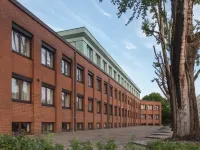
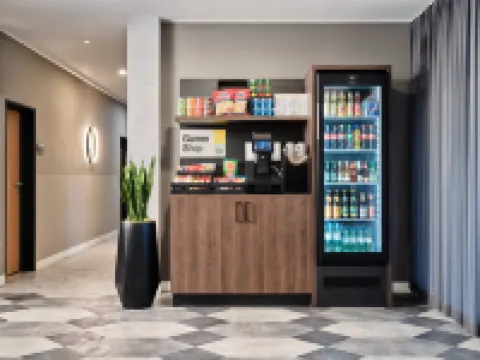
Dengan pengianpan di Garner Hotel Hamburg Nord by IHG di Hamburg (Wandsbek), anda akan berada dalam lingkungan 15 minit memandu dari Zoo Hagenbeck dan Taman Tema Hamburg. Hotel ini berada 10.5 km dari Miniatur Taman Ajaib dan 10.4 km dari Pusat Pelayaran Hamburg.
Gunakan kemudahan sesuai yang disediakan seperti akses Internet wayarles percuma, ruang tamu bersama dan mesin layan diri.
Di Garner Hotel Hamburg Nord by IHG, nikmati sajian yang memuaskan di restoran.Sarapan bufet disajikan pada hai minggu dari 6:30 hingga 10:30 dan pada hujung minggu dari 7:00 hingga 11:30 dengan dikenakan bayaran.
Kemudahan yang ditampilkan adalah termasuk meja/kaunter hadapan 24 jam, kakitangan berbilang bahasa dan tempat simpanan bagasi. Letak kenderaan sendiri (tertakluk pada bayaran) terdapat di tapak hartanah.
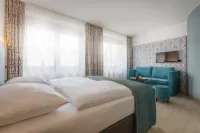
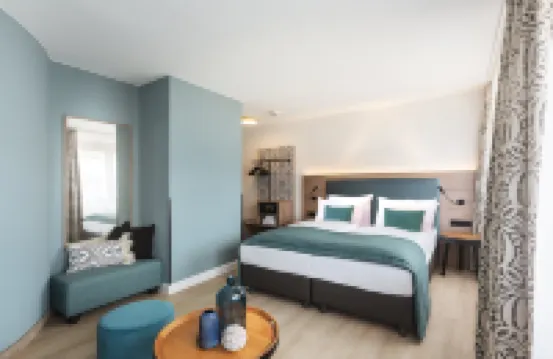
Inaplah di salah satu daripada 40 bilik tamu yang menampilkan televisyen skrin rata. Akses Internet wayarles percuma disediakan untuk membolehkan anda sentiasa berhubung. Bilik mandi menampilkan pancuran mandi, kelengkapan dandanan diri percuma dan pengering rambut. Pengemasan disediakan setiap hari manakala katil bayi/kot (percuma) boleh didapati atas permintaan.
"Die Lage meine Meinung nach ist super! Es gibt gute Verbindungen zum UBahn und SBahn die Buss Haltestelle ist um die Ecke. Busse fahren alle 20 min.
Verpflegung im Hotel ist nach Preis Verhältnisse gut.
Personal an Rezeption ist sehr freundlich.
Das Zimmer ist sauber gewesen nur halt am Fensterbank ist staubig deswegen nur 4 Punkte für Sauberkeit.
Wegen Frühstück kann nichts schreiben. Wir hatten keine.
Sonst sind wir sehr zufrieden mit dem Hotel. Also, für so ein Preis top!"
Sangat Baik
57 ulasan
8.5/10
1 malam
Daripada € 53





99+
Hotel di Hamburg
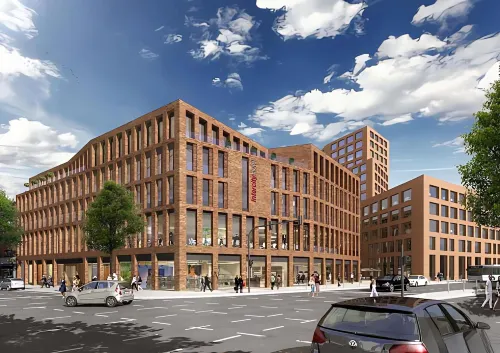
Dengan pengianpan di IntercityHotel Hamburg-Barmbek di Hamburg (Hamburg-Nord), anda akan berada dalam lingkungan 15 minit memandu dari Taman Tema Hamburg dan Miniatur Taman Ajaib. Hotel ini berada 7.7 km dari Reeperbahn dan 7.8 km dari Dewan Filharmonik Elbe.
Gunakan peluang rekreasi seperti pusat kecergasan atau kemudahan lain yang termasuk akses Internet wayarles percuma dan beli-belah di tapak. Ciri-ciri tambahan di hotel ini termasuklah pendiangan di lobi, dewan bankuet dan mesin layan diri.
Anda boleh menikmati sajian di restoran yang disediakan untuk tetamu IntercityHotel Hamburg-Barmbek, atau singgah di bar/deli snek. Hilangkan dahaga anda dengan minuman kegemaran anda di bar/ruang istirahat. Sarapan Eropah disajikan pada hari minggu dari 6:00 hingga 10:00 dengan dikenakan bayaran.
Kemudahan yang ditampilkan adalah termasuk pusat perniagaan, surat khabar percuma di lobi dan perkhidmatan pencucian kering/dobi. Tempat letak kenderaan terhad terdapat di tapak hartanah.
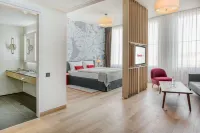
Inaplah di salah satu daripada 221 bilik tamu yang menampilkan televisyen skrin rata. Akses Internet wayarles percuma membolehkan anda sentiasa berhubung, manakala program kabel disediakan untuk hiburan anda. Bilik mandi menampilkan pancuran mandi, kelengkapan dandanan diri percuma dan pengering rambut. Kemudahan yang disediakan merangkumi telefon serta peti besi dan meja.
"I have stayed in Intercity hotels in many place in Germany. Their locations are super, which are quite near to the train station. This time the one in Hamburg Bambek is also up to my satisfaction. Good location again and the room is spacious and well equipped including a kettle. The receptionist is very friendly and polite. I am certainly that I will choose their hotels in my next visit."
Sangat Baik
147 ulasan
8.8/10
1 malam
Daripada € 56


98
Hotel di Hamburg
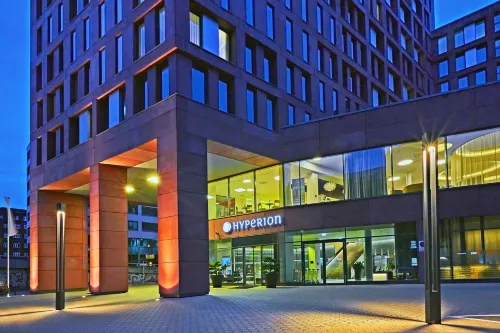
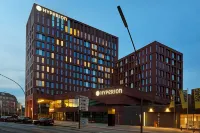
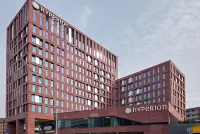
Semasa menginap di HYPERION Hotel Hamburg, anda dapat meneroka Hamburg-Mitte.
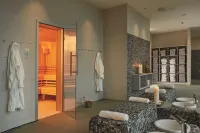
Manjakan diri anda dengan melawat ke spa atau sauna di tempat penginapan ini. Kekal cergas dengan bilik senaman.
Rasakan kemeriahan sajian Antarabangsa di restoran. Ingin terus berada di bilik? Belanja diri sendiri dengan sajian lazat servis bilik daripada restoran di tempat penginapan ini. Luangkan masa bersama rakan dan keluarga di bar.
Tempat penginapan serba lengkap ini turut menawarkan percuma storan bagasi.
Jika anda bercadang untuk memandu ke hotel, anda boleh meletak kenderaan di tempat letak kereta .
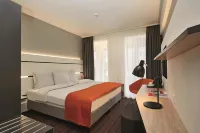
"Nice hotel not far away from the Harbour attractions of Hamburg. The hotel staff was very kind and upon my request changed our room because of a bad odor from the restroom. The breakfast is pretty good with lots of choices. The hotel has an underground parking lot which is 30 euros for visitors and 20 euros for guests, still pretty expensive considering the hotel costs of about a hundred euros per night. But in general a good hotel experience. One bonus is the free drinks of the room bar, including two beers!"
Sangat Baik
184 ulasan
8.7/10
1 malam
Daripada € 70
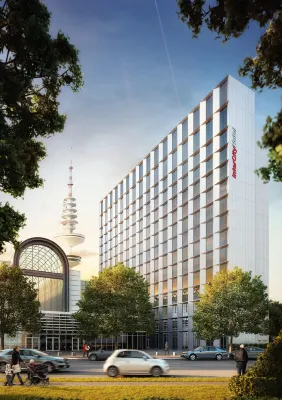
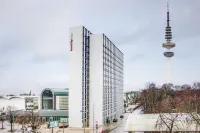

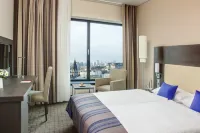

94
Hotel di Hamburg
Dengan penginapan di IntercityHotel Hamburg Dammtor, anda akan berada betul-betul di tengah Hamburg, dalam lingkungan 5 minit memandu dari Reeperbahn dan St. Pauli Piers. Hotel ini berada 3.6 km dari Miniatur Taman Ajaib dan 3.7 km dari Dewan Filharmonik Elbe.
Gunakan kemudahan sesuai yang disediakan seperti akses Internet wayarles percuma, bantuan pelancongan/tiket dan dewan bankuet. Hotel ini juga menampilkan mesin layan diri dan tempat letak basikal.
Nikmati juadah di restoran ataupun berjamu selera dalam bilik dengan menggunakan perkhidmatan bilik (semasa waktu terhad) di hotel. Akhiri hari anda dengan menikmati minuman di bar/ruang istirahat. Sarapan bufet disediakan pada setiap hari dari 6:30 hingga 10:00 dengan dikenakan bayaran.
Kemudahan yang ditampilkan adalah termasuk stesen komputer, surat khabar percuma di lobi dan meja/kaunter hadapan 24 jam. Hotel ini mempunyai 6 bilik mesyuarat yang tersedia untuk acara. Letak kenderaan sendiri (tertakluk pada bayaran) terdapat di tapak hartanah.
Selesakan diri anda di salah satu daripada 275 bilik tamu yang menampilkan bar mini dan Televisyen Plasma. Akses Internet wayarles percuma membolehkan anda sentiasa berhubung, manakala program satelit disediakan untuk hiburan anda. Bilik mandi dilengkapkan dengan pancuran mandi dan pengering rambut. Kemudahan yang disediakan merangkumi telefon serta peti besi muat komputer riba dan meja.
"Great location and overall a nice hotel for a business travel"
Sangat Baik
65 ulasan
8.7/10
1 malam
Daripada € 76



99+
Hotel di Hamburg
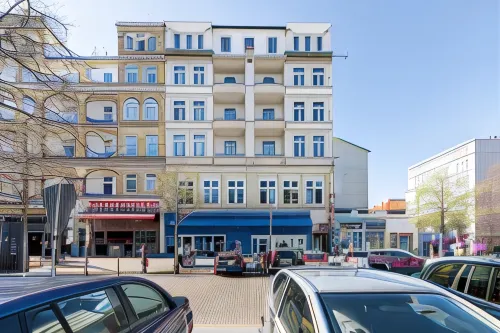
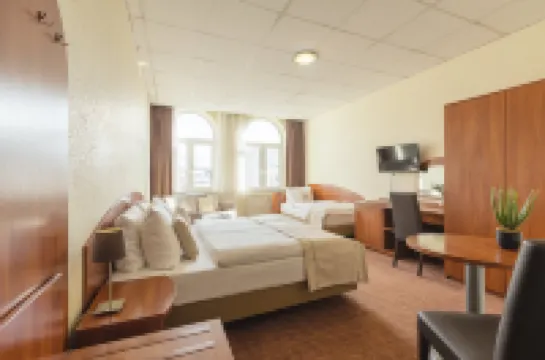
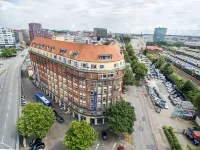
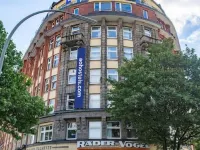
Dengan penginapan di Hotel Hamburg, anda akan berada betul-betul di tengah Hamburg, dalam lingkungan 5 minit memandu dari Miniatur Taman Ajaib dan Dewan Filharmonik Elbe. Hotel ini berada 3.6 km dari Reeperbahn dan 4.3 km dari St. Pauli Piers.
Gunakan kemudahan sesuai yang disediakan, yang termasuk akses Internet wayarles percuma dan televisyen di ruang bersama.
Sarapan bufet percuma disajikan pada setiap hari.
Kemudahan yang ditampilkan adalah termasuk meja/kaunter hadapan 24 jam, kakitangan berbilang bahasa dan tempat simpanan bagasi.
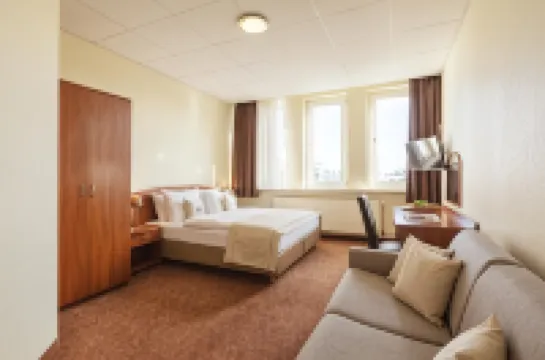
Inaplah di salah satu daripada 49 bilik tamu yang menampilkan televisyen skrin rata. Akses Internet wayarles percuma membolehkan anda sentiasa berhubung, manakala program kabel disediakan untuk hiburan anda. Bilik mandi menampilkan pancuran mandi, kelengkapan dandanan diri percuma dan pengering rambut. Kemudahan yang disediakan merangkumi telefon serta peti besi dan meja.
"The location is excellent and the rooms were perfectly clean, which made the stay comfortable. However, the surroundings can be problematic at night. After midnight, the street in front becomes very noisy with many drunk people, and there is a ************ establishment on the ground floor, which may not feel suitable for all guests."
66 ulasan
6.9/10
1 malam
Daripada € 39


91
Hotel di Hamburg
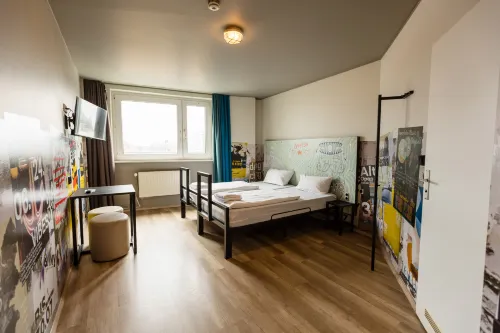
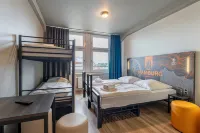
Dengan penginapan di a&o Hamburg Hauptbahnhof - Hostel, anda akan berada betul-betul di tengah Hamburg, dalam lingkungan 5 minit memandu dari Dewan Bandar Raya Hamburg dan Miniatur Taman Ajaib. Hostel ini berada 5.3 km dari Reeperbahn dan 3.3 km dari Dewan Filharmonik Elbe.
Gunakan kemudahan sesuai yang disediakan seperti akses Internet wayarles percuma, televisyen di ruang bersama dan bantuan pelancongan/tiket. Hostel ini juga menampilkan mesin layan diri dan penyimpanan basikal.
Dapatkan sesuatu untuk dimakan di bar/deli snek yang disediakan untuk tetamu a&o Hamburg Hauptbahnhof - Hostel. Akhiri hari anda dengan menikmati minuman di bar/ruang istirahat. Sarapan bufet disediakan pada setiap hari dari 7:00 hingga 11:00 dengan dikenakan bayaran.
Kemudahan yang ditampilkan adalah termasuk surat khabar percuma di lobi, meja/kaunter hadapan 24 jam dan tempat simpanan bagasi.
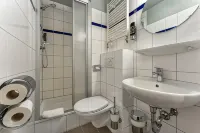
Selesakan diri anda di salah satu daripada 107 bilik tamu. Akses Internet wayarles percuma disediakan untuk membolehkan anda sentiasa berhubung. Bilik mandi dilengkapkan dengan pancuran mandi dan pengering rambut. Pengemasan disediakan setiap hari manakala seterika/papan seterika boleh didapati atas permintaan.
"Very near to central train station (walkable), check in from 15:00 but you can store your luggage in the meantime, ask the key from reception and go tour the city. Guest can cook, have kitchen with utensils. Every room have 3 bunk beds , have personal toilet in room with shower and hair dryer. Overall it was excellent stay for budget traveller"
201 ulasan
7.3/10
1 malam
Daripada € 10



83
Hotel di Hamburg
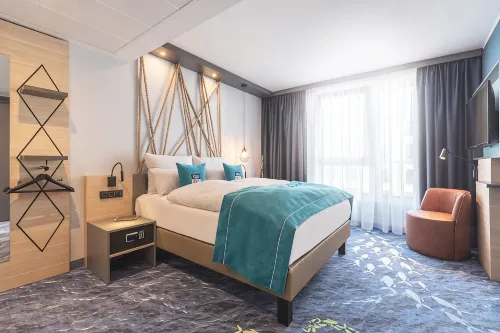
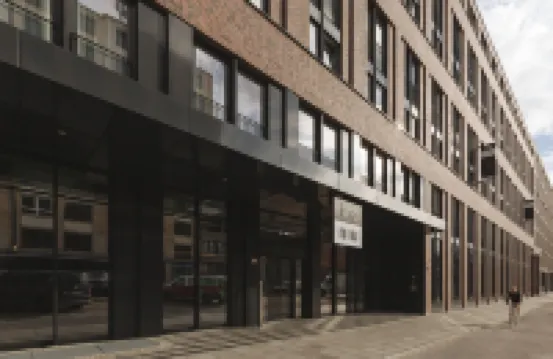
Terletak di Hamburg-Mitte Hamburg, Holiday Inn - the niu, YEN HAMBURG CITY by IHG menawarkan pengalaman penginapan yang hebat untuk mereka yang melancong dengan tujuan untuk berseronok atau perniagaan.
Tempat penginapan ini mempunyai restoran. Singgah ke sini untuk menjamu selera sepanjang tempoh penginapan anda. Bersantai di penghujung hari anda dengan minuman di bar.
Di hotel, terdapat juga kemudahan mesin layan diri. Tempat penginapan serba lengkap ini turut menawarkan storan bagasi.
Tetamu yang tiba dengan kereta boleh meletak kereta di .
"I really enjoyed my stay at this hotel. The rooms were clean and comfortable, the staff were friendly, and the overall atmosphere was relaxing. The food was also really good, and the pool area was a nice place to chill. I would definitely recommend this hotel to anyone looking for a fun and comfortable stay."
Sangat Baik
80 ulasan
8.6/10
1 malam
Daripada € 74

93
Hotel di Hamburg
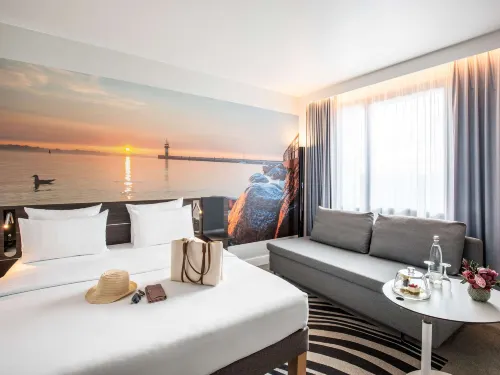
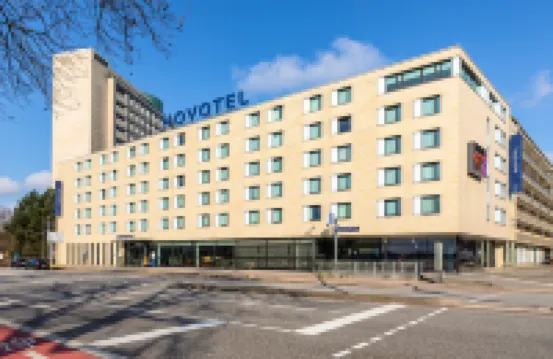
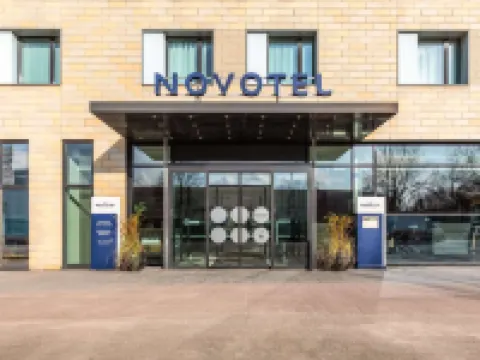
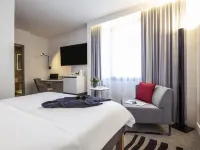
Terokai pelosok Hamburg-Nord semasa anda menginap di Novotel Hamburg City Alster.
Semasa menginap di sini, manjakan diri anda di sauna. bilik senaman menawarkan kemudahan untuk tetamu kekal cergas.
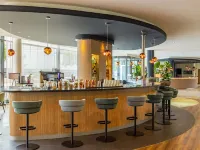
Cuba restoran di tempat penginapan ini yang menyajikan hidangan Antarabangsa yang lazat. Ingin terus berada di bilik? Belanja diri sendiri dengan sajian lazat servis bilik daripada restoran di tempat penginapan ini. Bersantai di penghujung hari anda dengan minuman di bar.
Tempat penginapan serba lengkap ini turut menawarkan percuma storan bagasi.
Tetamu yang tiba dengan kereta boleh menggunakan tempat letak kenderaan tempat penginapan.
"Spacious and clean room. With water offer at reception.
But the bed and pillow were too soft made my sleep not good, and the wall was thin as I could hear and feel the shake from neighbors.
Location is convenient, and quiet zone from Central Station. But one point to note, though there is a metro entrance next to hotel, but the entrance without escalator or elevator, but stairs! It could be hard if you carried heavy luggage."
Hebat
61 ulasan
9.2/10
1 malam
Daripada € 75
Soalan Lazim
Berapakah harga purata hotel di Hamburg pada hujung minggu ini?
Berdasarkan data Trip.com sepanjang 12 bulan terkini, harga purata hotel 3 bintang di Hamburg pada hujung minggu ini ialah sekitar € 197 setiap malam, manakala hotel 4 bintang berharga sekitar € 239 setiap malam. Jika anda mencari penginapan yang lebih mewah, hotel 5 bintang di Hamburg biasanya berharga sekitar € 502 setiap malam. Bandingkan harga dan pilihan yang tersedia untuk mendapatkan penginapan yang paling sesuai dengan bajet anda.
Berapakah biasanya kos hotel di Hamburg pada hari bekerja?
Berdasarkan data terkini selama 12 bulan daripada Trip.com, harga purata untuk hotel 3 bintang di Hamburg pada hari bekerja ialah € 160 setiap malam. Untuk hotel 4 bintang, anda boleh menjangkakan kos sekitar € 205 setiap malam. Jika anda mencari penginapan mewah, hotel 5 bintang di Hamburg lazimnya berharga € 454 setiap malam pada hari bekerja.
Apakah tempat penginapan terbaik di Hamburg?
Beberapa tempat penginapan terbaik di Hamburg terletak berhampiran tarikan popular seperti Alster Lakes dan Hamburg City Hall, menjadikannya pilihan yang sesuai untuk pelancong yang ingin menerokai tarikan utama dengan lebih mudah dan menjimatkan masa perjalanan.
Apakah hotel terbaik di Hamburg berhampiran Alster Lakes?
Beberapa hotel terbaik di Hamburg berhampiran Alster Lakes termasuk Le Méridien Hamburg (daripada € 127), Reichshof Hotel Hamburg (daripada € 109) dan smartments Hamburg Aussenalster (daripada € 59), semuanya menawarkan akses mudah ke Alster Lakes, menjadikannya pilihan ideal untuk pelawat yang ingin menerokai kawasan tersebut.
Manakah hotel mesra haiwan peliharaan di Hamburg?
Holiday Inn - the niu, YEN HAMBURG CITY by IHG (daripada € 53) dan B&B HOTEL Hamburg-Altona (daripada € 49) membenarkan bawa haiwan peliharaan. Bawa haiwan peliharaan anda menginap bersama!
Bagaimana mendapatkan tawaran hebat untuk hotel di Hamburg?
Trip.com menyediakan pelbagai promosi dan diskaun untuk pengguna sepanjang tahun. Anda boleh semak halaman promosi untuk melihat promosi yang tersedia di Trip.com.
Cari Hotel Murah & Tawaran di Trip.com
Lebih Banyak Jenis Penginapan
Hotel Romantik di HamburgHotel Superbude di HamburgHotel Leonardo di HamburgHotel Vienna House by Wyndham di HamburgHotel Best Western di HamburgHotel Courtyard di HamburgHotel Prize by Radisson di HamburgHotel Autograph Collection di HamburgRumah Tumpangan di HamburgHotel di Hamburg dengan WiFiHotel 2-Bintang di HamburgHotel 4-Bintang di HamburgHotel 5-Bintang di HamburgHotel 3-Bintang di Hamburg
Hotel berdekatan dengan tarikan
Hotel berhampiran Chile HouseHotel berhampiran ElbphilharmonieHotel berhampiran Speicherstadt MuseumHotel berhampiran Town HallHotel berhampiran St. Michael's ChurchHotel berhampiran Port of HamburgHotel berhampiran Kunsthalle HamburgerHotel berhampiran Lake AlsterHotel berhampiran Miniatur WunderlandHotel berhampiran ReeperbahnHotel berhampiran Lapangan Terbang Hamburg, JermanHotel berhampiran Hamburg Hauptbahnof Station